The misalignment and premature failure occur due to improper shaft design or machining. High bending and torque loads increase bending and shear stresses in the shaft. Variations in diameter negatively affect alignments, load distribution, and fit.
Shafts are machined and made to be accurate, as they transfer torque, power, and motion. Round shafts have precise diameters and transitions. Some of the supports are motor shafts, gear shafts, stepped shafts, and custom designs.
You receive stable work on high loads and constant rotation. Strength, balance, and operational efficiency are enhanced through precision machines. This assists in minimizing wear, vibration, and unanticipated machine failure.
At Premium Parts, we provide shaft machining services to meet your specific needs. We practice close tolerances, quality finishings, and production. We assist you in getting sustainable and machine parts.
What is Shaft?
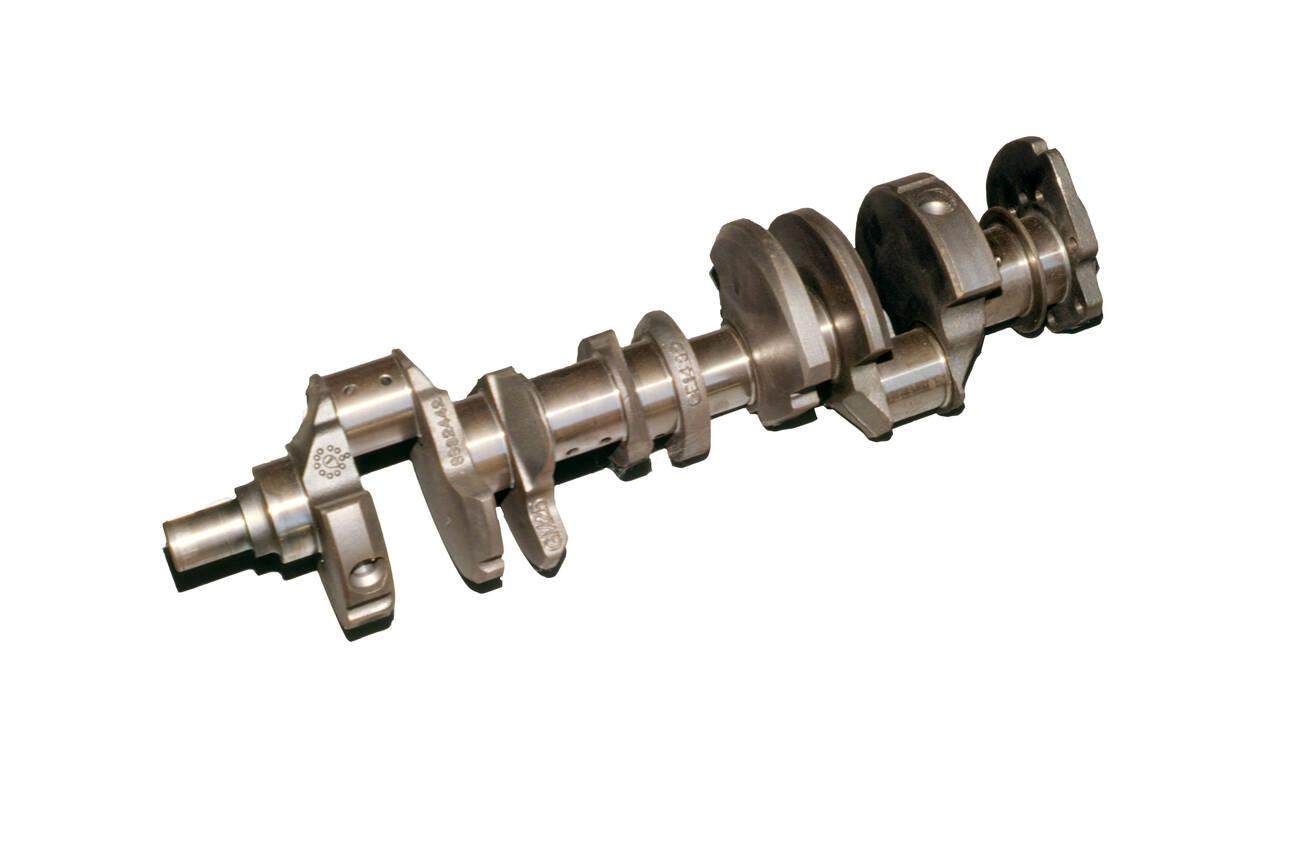
Machined Crankshaft
A shaft is a mechanical element that passes power and motion. It is a metal cylindrical bar that carries rotating components. These are gears, pulleys, and other machine parts. Certain shafts may be of square or hexagonal design as well.
The role of shafts is vital in numerous industrial machining processes. You will find them in automotive systems, aerospace, and industrial systems. They are used under high pressure and constant rotation.
How Does a Shaft Work?
A shaft is used to convey power, torque, and rotational movement among the machine components. It joins a driving source, such as a motor, with other components. This movement maintains the smooth and efficient running of systems.
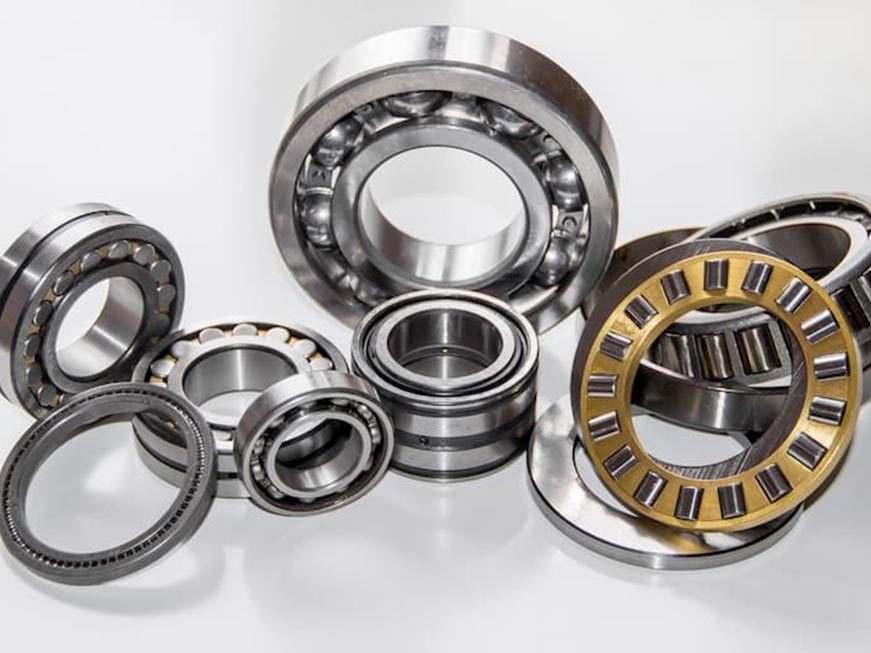
Shafts are subjected to torsional and bending stresses, along with occasional axial forces during operation. Bearings provide critical support, ensuring proper alignment and smooth rotational performance.
A shaft provides power to constantly moving components. It transmits torque between the driven and the driving part. Shafts are useful in rotating objects such as gears and bearings through the working process.
A machined shaft is used to take heavy loads under constant operating conditions. It is effective in bearing towards bending, twisting, and shear forces. This guarantees a constant performance and increased service life of your equipment.
Material Selection for Shaft Machining
The selection of the appropriate material is of critical importance to the shaft performance and durability. The material needs to be in a position to bear the loads, wear-resistant, and apply to the setting. The choice of a low-priced but durable material will guarantee long-term stability and less maintenance.
Carbon Steel
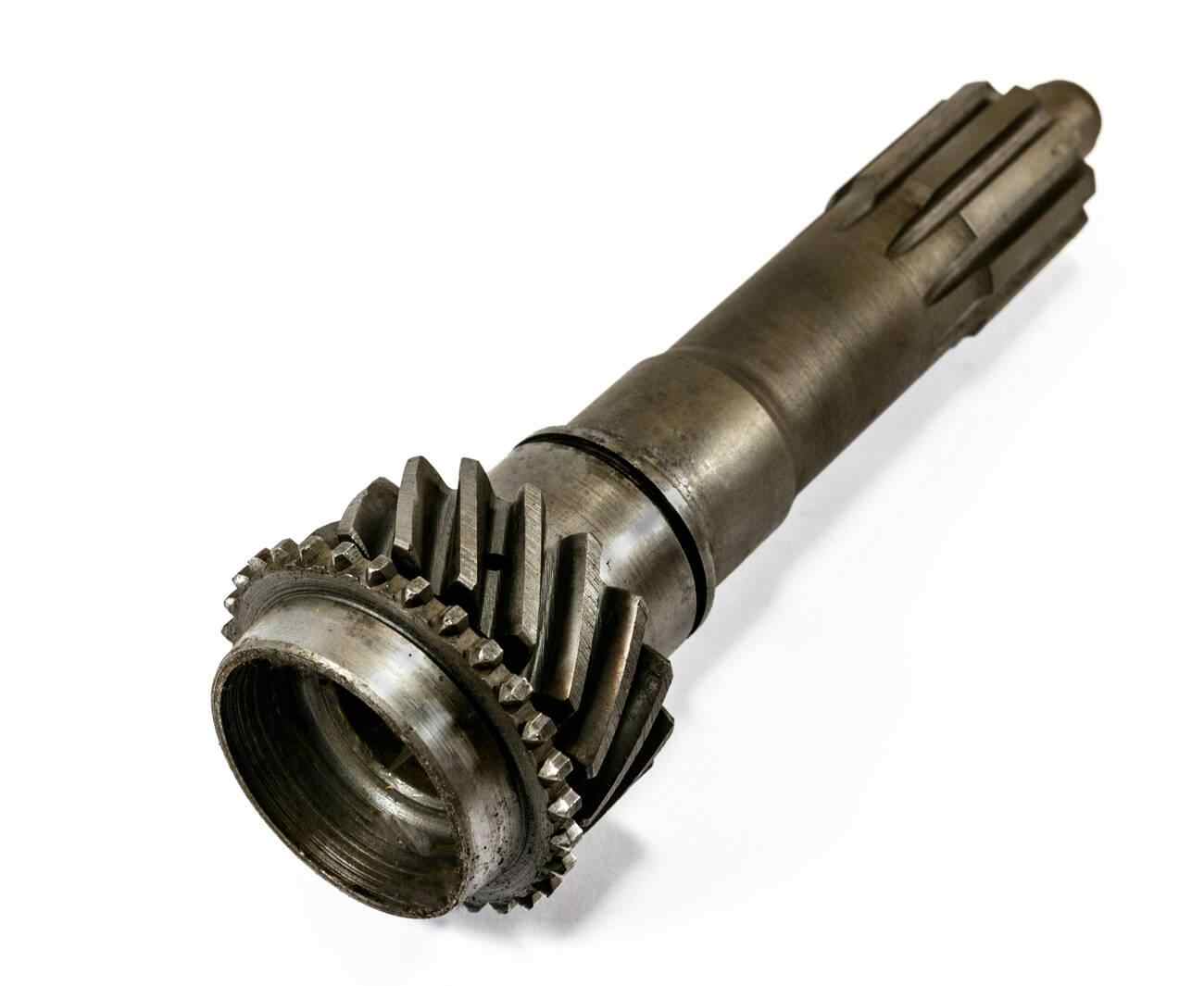 Automotive engine shaft
Carbon steel, particularly mild steel, is the most popular shaft material. The tensile strength of carbon steel is ~400–800 MPa, and it possesses machinability and affordability. Carbon steel is extremely popular with automotive and general-purpose shafts. The tool wear is moderate, and good use of coolants leads to smooth machining.
Stainless Steel
Stainless steel has good corrosion resistance in harsh environments and is very durable. It is optimal in marine, medical, and food-processing. Stainless steel machining is sensitive because of increased tool wear and reduced thermal conductivity, but the performance advantages usually dominate the difficulties.
Aluminum
Aluminum alloy shafts are light and simple to machine. They offer a high strength-to-weight ratio, which applies to aerospace and lightweight machines. In sharp machining, sharp tools and proper burr management are required.
Titanium
Titanium shafts are strong, non-corrosive, and retain strength at elevated temperatures. Their characteristics suit them for both aerospace and biomedical. Titanium is also difficult to machine, and it needs special tooling and process control.
Nickel and Nickel Alloys
Nickel alloy shafts provide great strength, fatigue, and heat resistance. They are applied in heavy machinery, turbines, and high-performance. Successful machining requires advanced tooling and cooling.
Brass
Brass shafts are a combination of low friction, machinability, and antimicrobial characteristics. They are applied when a smooth operation and hygiene are needed, i.e., medical or special mechanical systems.
The material choice is a balance between cost, machinability, and performance. Carbon steel is used for general purposes, while aluminum, titanium, and nickel alloys are used in high-performance or specialized applications. The correct selection of materials yields durable, robust, and efficient shafts, regardless of the application.
Types of Shafts and Machining Processes
Depending on the application, shafts are of different shapes and types. The types are all designed to pass power, torque, or motion under definite load and stress conditions. Optimal machine performance, durability, and reliability are achieved through accurate machining.
Straight Shafts
Straight shafts are plain-cylindrical parts that transmit torque between motors, gears, or mechanical linkages. They are widely applied in motors, pumps, gearboxes, etc. CNC turning is used to machine straight shafts with tight tolerances and smooth surface finishes, typically within the Ra 0.8-1.6 range. Functionality is added with secondary operations such as keyway cutting or groove milling to make sure the shaft fits into assemblies.
Machine Shafts
Machine shafts are used to transmit power within a machine, making the components move in harmony. Typical ones are crankshafts, which transform reciprocating movement into rotation, and cams, which manage the movement of the valves in engines. It is important to have a proper design and shaft machining to ensure internal efficiency and machine life.
Splined Shafts
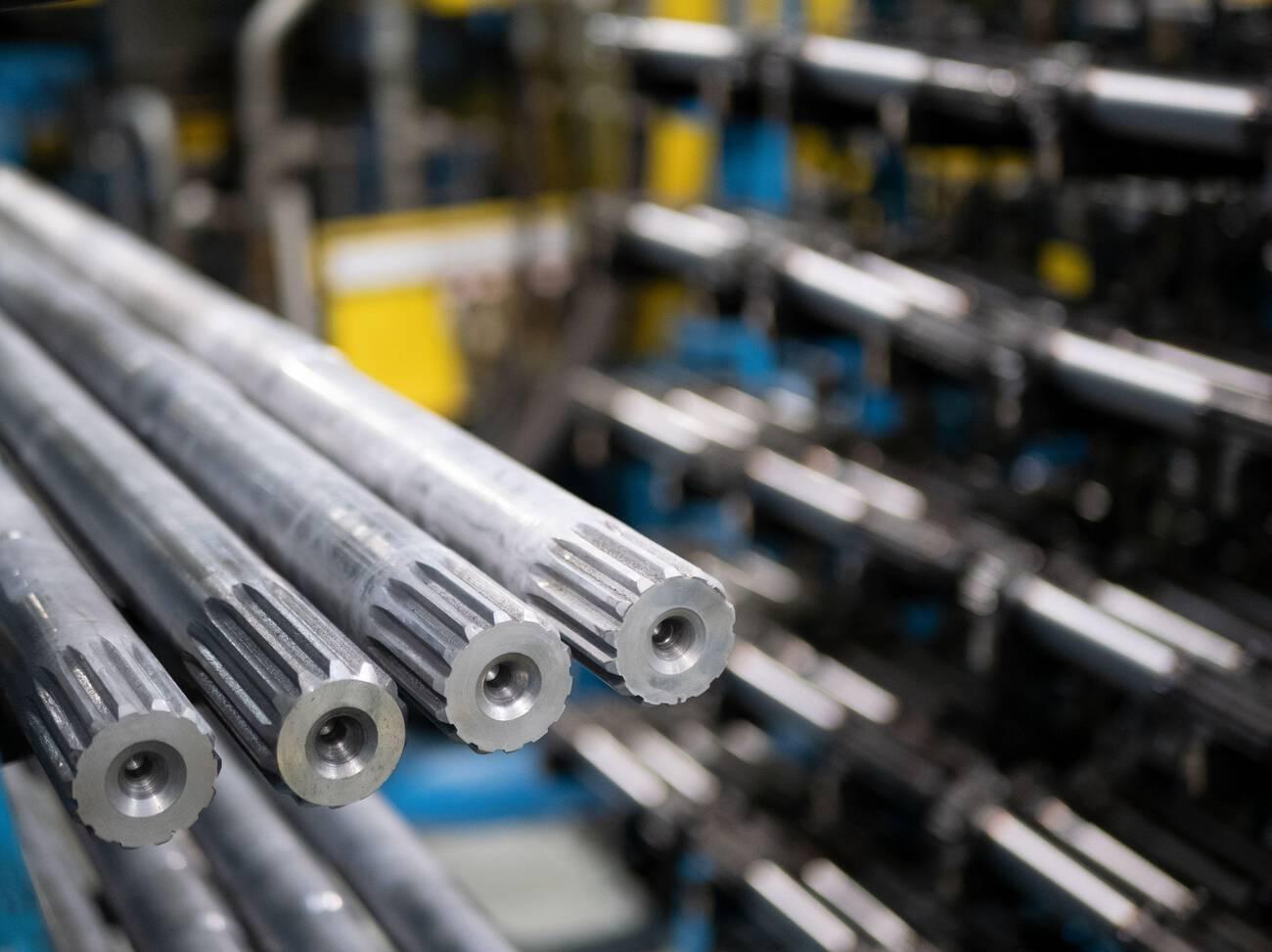 Metal splined shafts
Splined shafts have teeth on their surface to pass high torque between components. Their common use is in the automotive drive train, industrial machinery, and high-torque applications. CNC milling is used to make external splines, whereas precision broaching is used to make internal splines. Strict tolerances, usually within +/-0.015 mm, ensure tight engagement and efficient torque transfer between components.
Threaded Shafts
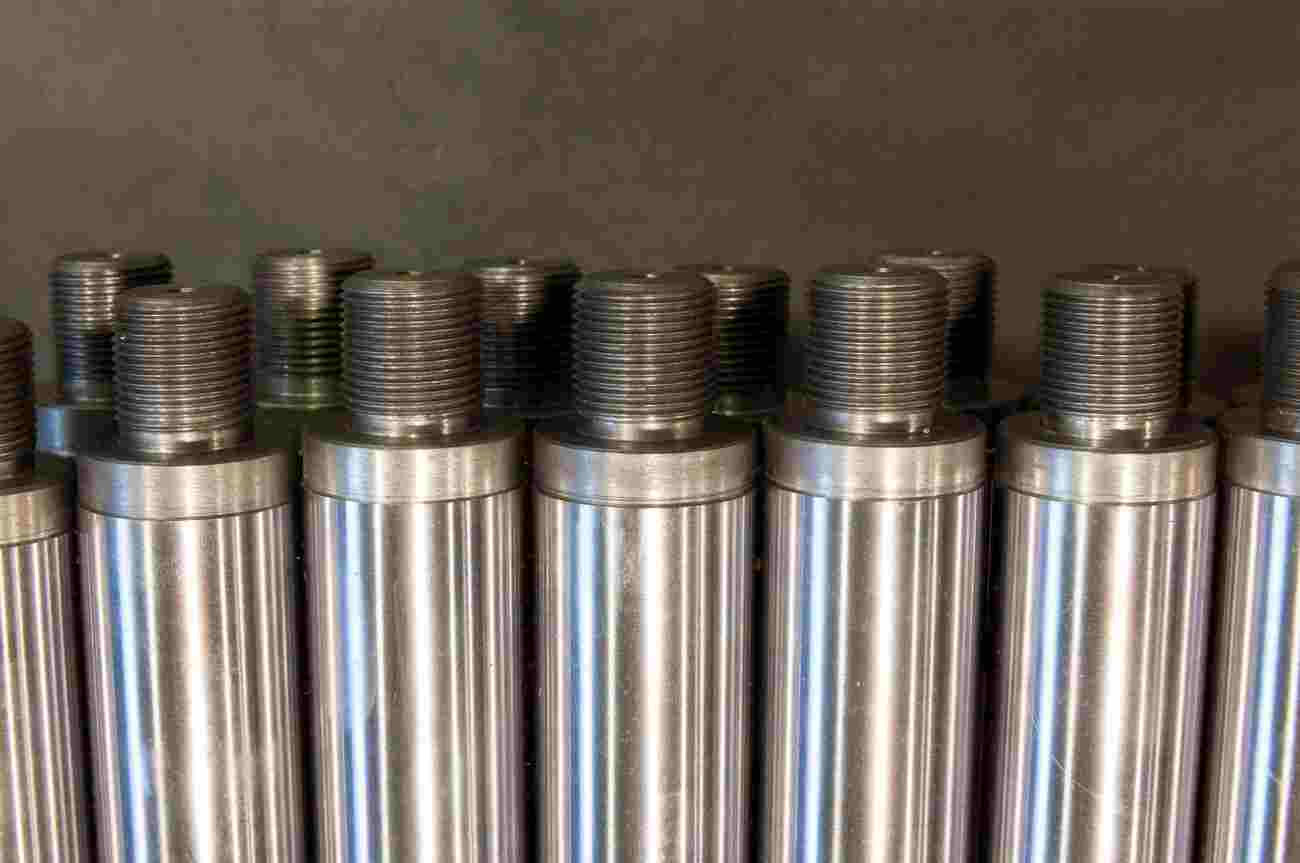 Metal shaft with thread close up
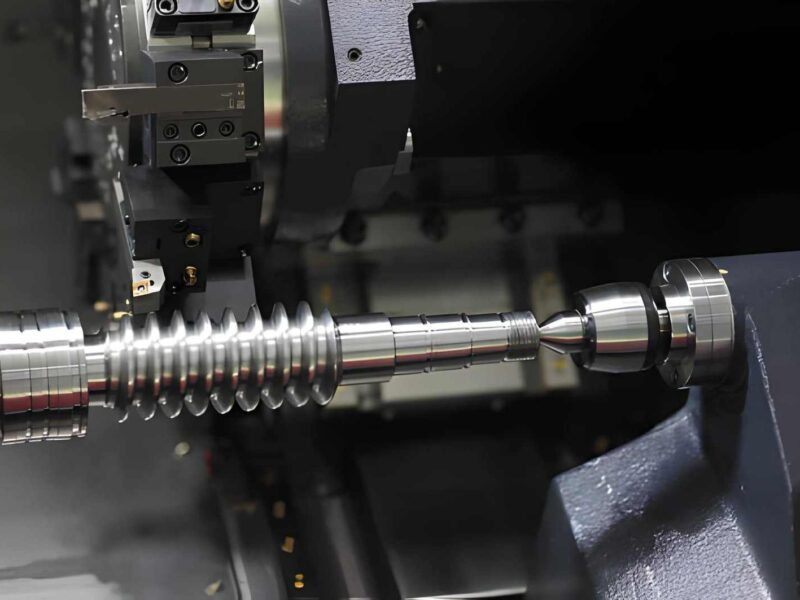
Threaded shafts translate rotational motion into linear motion and are common in lead screws and high-precision mechanical systems. These shafts are machined on CNC lathes or thread-milled, with close attention to thread pitch and depth. In systems that require consistent performance, accurate thread pitch and lead ensure smooth linear motion.
Stepped, Hollow, Tapered, and Keyed Shafts
These are special shafts that perform various mechanical roles. Hollow shafts reduce weight while maintaining torsional strength and are selected based on the optimal outer-to-inner diameter ratio. Tapered shafts allow mounted components to have a secure fit and stability in rotation. Gears, pulleys, or other items in keyed shafts are firmly secured and will not slip. Stepped shafts permit different diameters in the same shaft, either to take bearings, gears, or other parts.
Axle Shafts
Axle shafts distribute the weight of the vehicle, and they provide power to the wheels. They are needed in car uses, especially in rear-wheel drive or heavy-duty automobiles. Axle shafts should be able to withstand torsion, bending, and shear forces and remain aligned. Precision machining ensures alignment, stability, and reliability at high loads.
Transmission Shafts
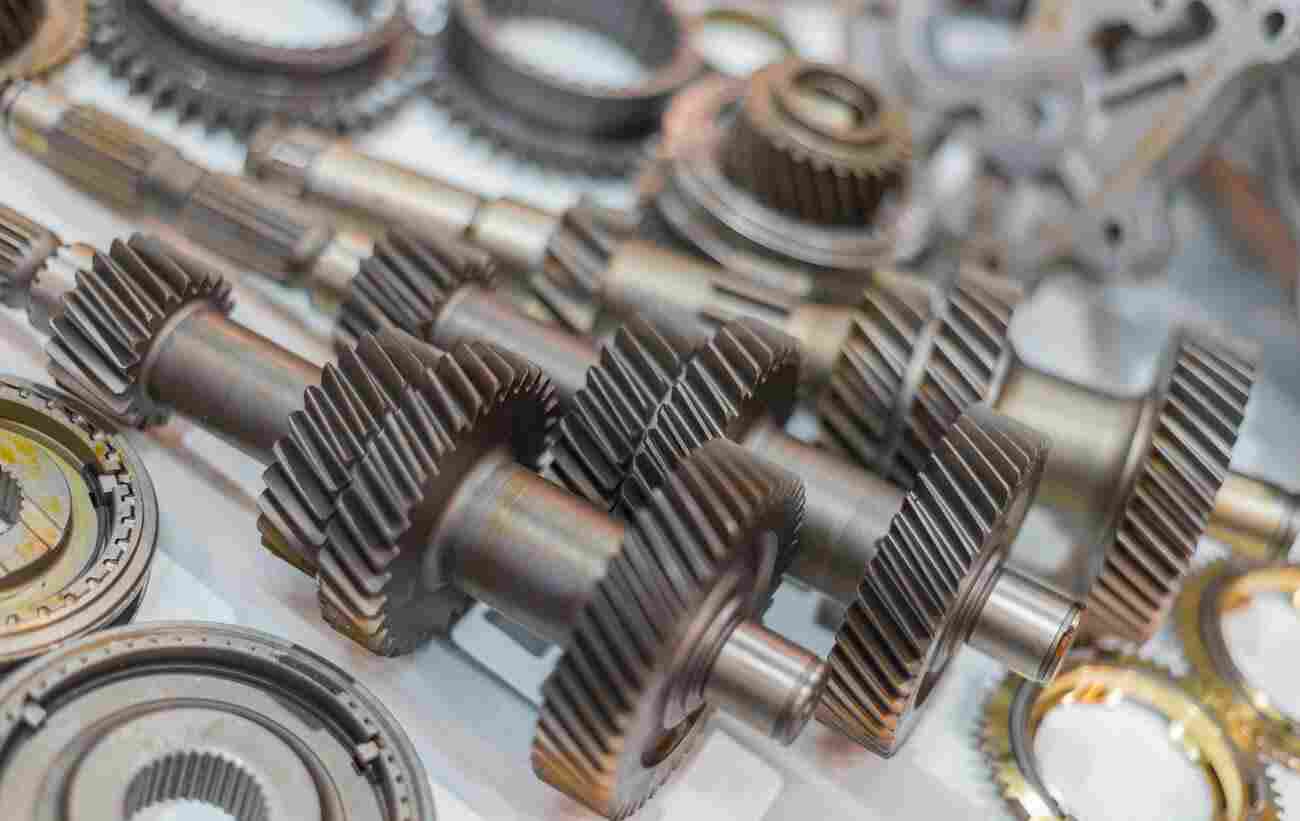 Gear transmission shafts
The transmission shafts are used to pass power between different systems, linking a power source to a machine or component that consumes power. They are line shafts to distribute power centrally, countershafts to connect driving and driven shafts, and automotive driveshafts to distribute engine power to the differential. Machining accuracy guarantees power transmission and reduces vibrations.
Precision Shaft Machining Techniques
Precision shafts are made by means of forging, extrusion, or rolling of base metal. The primary shaft is then CNC machined to meet the final dimensions and characteristics.
- Forging: Bends the metal and improves grain structure and strength.
- CNC Machining: Produces steps, tapers, threads, and other details by turning, milling, or other techniques.
- Final operations: Tolerance and appearance are completed with grinding, polishing, and surface treatments. Typical shaft tolerances range from IT6 to IT8, depending on the application. Surface finish after grinding can reach Ra 0.4 to 0.8 µm.
- Heat Treatment: Hardening and tempering enhance performance and durability.
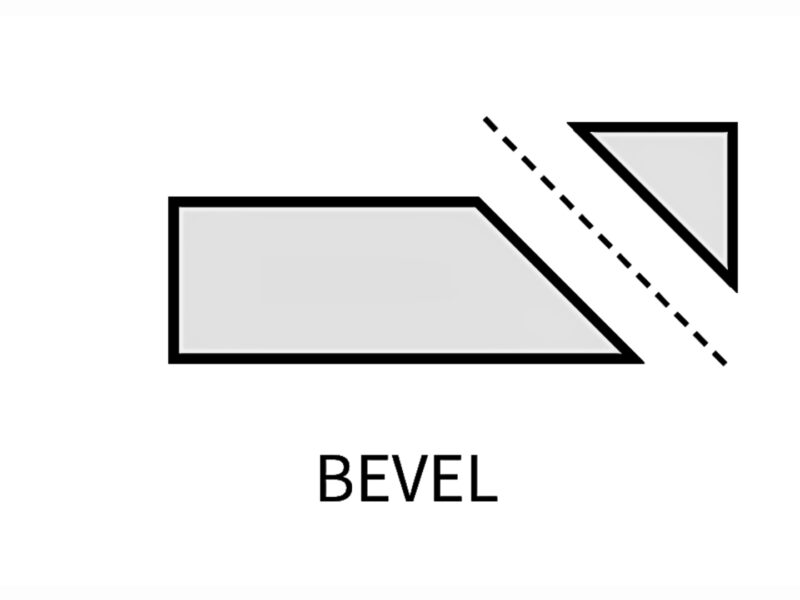
Chamfer Vs. Fillet Vs. Brevel Edge In Shaft Manufacturing
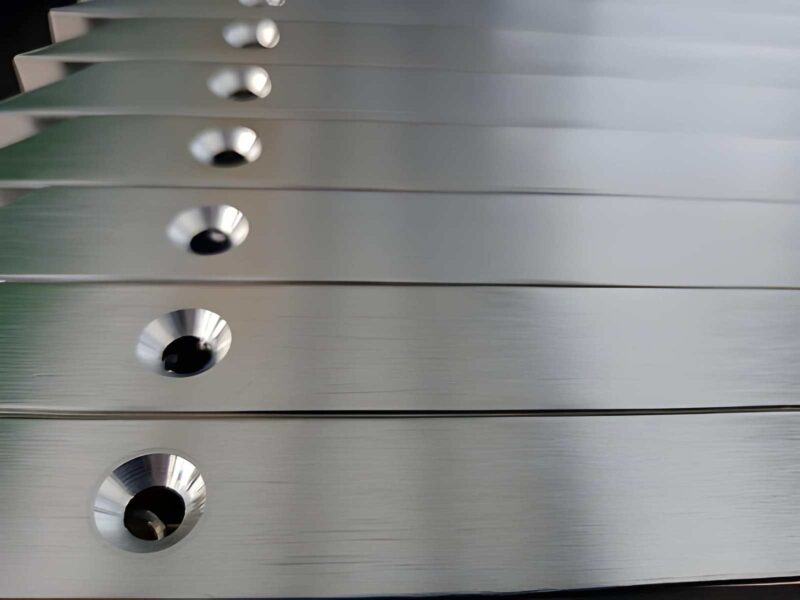
When designing or machining a shaft, selecting the right edge treatment, Chamfer, Fillet, or Bevel edge, is crucial for structural integrity, ease of assembly, and manufacturing costs.
| Feature | Chamfer | Fillet | Bevel |
| Geometry | Straight edge at an angle | Rounded radius transition | Angled surface on edge |
| Specification | Angle × length (e.g., 45° × 2 mm) | Radius (e.g., R2, R5) | Angle + depth (e.g., 30°, 3 mm) |
| Stress Distribution | Moderate stress reduction | Excellent; minimizes stress concentration (Kt ↓) | Low impact on stress |
| Typical Angle/Radius | 30°–60° (commonly 45°) | Radius based on load/design | 20°–60° depending on application |
| Manufacturing | CNC turning/milling, deburring | CNC milling, grinding, casting | Machining, grinding, welding prep |
| Primary Function | Edge safety and assembly ease | Strength, fatigue life, crack prevention | Weld prep, fit-up, edge alignment |
| Tolerance Control | Easy; low complexity | Moderate; radius control needed | Moderate; angle accuracy required |
| Applications | Fasteners, edges, housings | Shafts, brackets, load-bearing parts | Weld joints, sheet metal, fabrication |
Applications of Custom Shaft Machining
Shaft machining is essential in the manufacture of precision cylindrical components. These parts assist with rotation, transmission, and movement in difficult industrial applications. They include crankshafts, camshafts, spindles, and drive shafts.
- Aerospace: Aircraft engines, landing gear, auxiliary power units (APUs), High-strength, lightweight shafts.
- Industry: Shafts for pumps, compressors, conveyors, textiles, shafting, and other shafts require wear-resistant and high-strength properties.
- Robotics: Robotics arms, joints, servo motor shafts.
- Energy: Wind generator shafts, hydro generator shafts, and other energy source equipment.
- General Industry: Shafts for agricultural machinery, construction machinery, and food processing equipment.
For these applications, precision, consistency, and efficiency are paramount, and all industries benefit from quality shaft machining.
What are the Challenges in Shaft Machining?
There are many challenges found in machining shafts. Tight tolerances, typically +-0.01 mm, and more complex features such as splines, threads, or steps require skilled workers and multi-axis CNC machining. Materials such as titanium and stainless steel are harder and thus more expensive to cut.
Extra-long shafts are particularly difficult because they require steady rest tailstock support to prevent deflection. They can bend while machining, chatter, or vibrate. The heat generated during machining can cause expansion, affecting size and shape. The shaft also must be straight through its entire length, particularly in high-speed or precision applications. To overcome these challenges, manufacturers employ special methods.
How To Address Such Machining Challenges?
Manufacturers tackle these challenges with these techniques:
- Balancing: Smooth rotation for high-speed shafts and vibration reduction in operation.
- Precision Grinding: Achieves roundness, straightness, smoothness, and eliminates distortion.
- Multistage machining: Ensures close tolerances through rough machining in stages and finishing to a high standard.
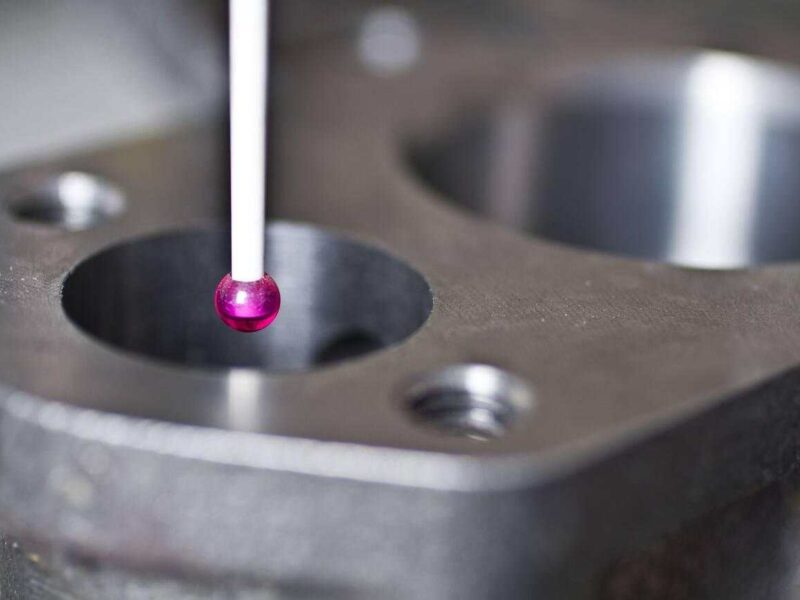
- Monitoring at every stage: In-process inspection using advanced CMMs and precision gauges ensures exceptional dimensional accuracy and consistent quality throughout production.
- Finishing: Electroplating, anodizing, bead blasting, passivation, and polishing, for improved finish and resistance. Grinding is typically employed as the final operation to eliminate distortion and achieve precise, tight tolerances.
Conclusion
Machining of precision shafts ensures efficient power transmission, ease of movement, and long service life across various industries. A combination of careful material choice, sophisticated CNC operations, and quality control ensures the result of shafts with finely tuned tolerances and intricate design specifications. Precision shafts are found in automobiles and aircraft, as well as machinery and power systems, providing strength, resilience, and efficiency, making sure vital processes run smoothly and downtime is minimal.
Premium Parts provide durable, efficient shafts. With our sophisticated CNC operations, careful quality control, and reliable manufacturing, we ensure parts work in the field.
Work with us to minimize downtime and increase productivity, and receive well-fitted shafts the first time. Call today for a consultation and fast quote.
FAQs
What surface treatment is used on alloy steel shafts to enhance hardness and fatigue resistance?
Nitriding is a hardening process of alloy steel shafts in which nitrogen diffuses into the surface. This creates a hard, distortion-free surface layer that improves fatigue resistance and surface wear performance.
What CNC machinery do you use to machine shafts?
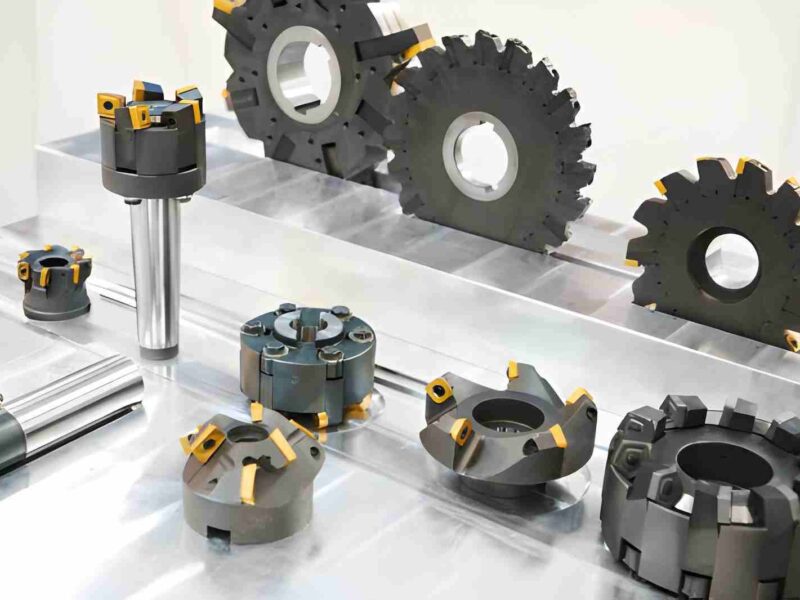
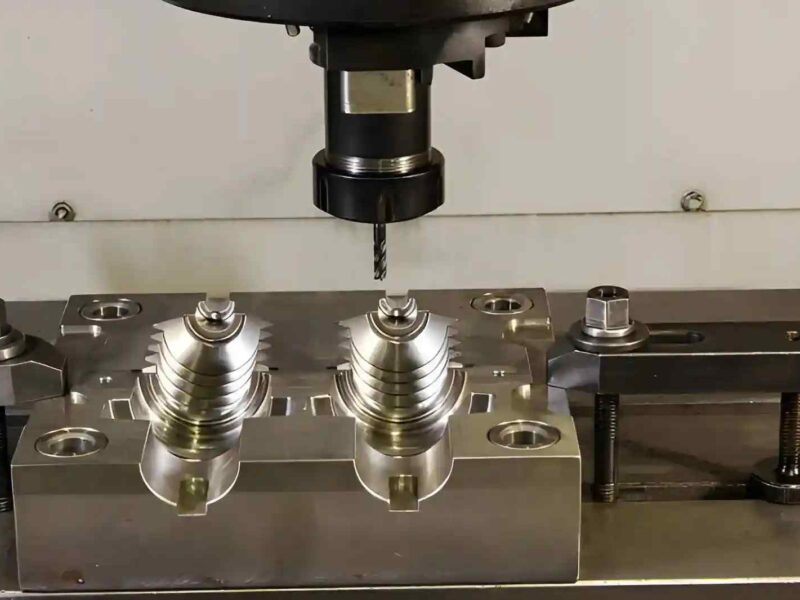
We use CNC lathes for all-around features and CNC mills or mill-turns for keyways, flats, grooves, and holes on shafts. This will ensure an accurate and efficient production.
How to control the quality of Shaft Machining?
To create quality shafts, quality control is important. Coordinate measuring machines, profilometers, and non-destructive testing all help ensure tolerances and certification, such as ISO 9001, are maintained. Statistical process control can also ensure quality consistency.