Composite CNC machining is paving the way for a new age in manufacturing. It provides manufacturers with access to new realms of material engineering while increasing production efficiency. Composites do not behave like metals and come in many different combinations. Moreover, they are essential to advanced technologies and emerging industries. Besides, to complete your project, you will need to understand how to machine composites with CNC.
This guide will give you all of that information. The first thing we will cover is the general definition of what composite materials are and what properties they have. Secondly, we will cover the common types of composites that are used for CNC machining. Besides, we will uncover some steps of composite CNC machining and its real-world applications. Continue reading to learn everything for the success of your project.
What are Composite Materials?
Composite materials include two materials that combine to make a stronger, more useful product. One material is called the matrix (also called the binder or other forms), which holds all of the material together. The other material used for strength and stability is reinforcement. This distinctive configuration provides important advantages with regard to durability, strength, heat resistance, and harsh environmental climates. It will also assist with thermal expansion and thermal conductivity. Due to these advantages, composites are an integral part of many areas of manufacturing, in particular, CNC machining.
3 Major Constituents of Composite Materials
The major constituents of Composite materials define their applications. There are three main constituents, including matrix, reinforcements, and interface. Let’s explore them to understand better:
Matrices
The matrix is the primary material that holds the reinforcement in place. The matrix gives the composite its shape and protects it from environmental damage. There are many types of matrices for different applications:
- Polymer matrices are lightweight and corrosion-resistant. They are used widely in consumer products and car components.
- Ceramic matrices perform well in high-temperature situations. They are ideal candidates for aerospace applications.
- Metal matrices utilize the toughness and strength of metals and additive reinforcement fibers. They are typically intended for heavy-duty, high-load applications.
Reinforcements
Reinforcements add strength and stiffness to composites. They are typically stronger and stiffer than the matrix, enhancing the overall properties of the composite. Types of reinforcements include:
- Carbon fibers are stiff with high tensile strength, great for high-performance applications.
- Glass fibers are common because they are inexpensive and offer good strength and stiffness.
- Aramid fibers are very tough and have major applications in ballistic armor and aero parts.
Interface
The interface is where the matrix and reinforcement meet in a composite. Besides, it is an important region because it holds the materials together and affects how strong and stiff the composite will be overall. Moreover, the interface allows loads to be transferred between the matrix and reinforcement. This certainly affects the overall performance of the material.
There are three main types of interfaces in composites:
- Mechanical Interlocking: This occurs when the reinforcement’s rough surface physically locks into the matrix. This results in strong bonds that are capable of resisting high loads. Moreover, it has major uses in construction materials when they need load support.
- Chemical Bonding: Chemical bonds can develop between the matrix and the reinforcement. Additionally, surface treatments or special coatings typically help to provide this adhesion. Besides, you can find their common uses in aerospace composites that require high reliability.
- Thermal Bonding: Heat is where the bond forms, especially in thermoplastic composites. Heating lets the matrix adequately surround and adhere to the fibers. It has major applications in automotive parts, which undergo multiple temperature changes.
Step-by-Step Process of Composite CNC Machining
CNC machining with composite materials requires mindful planning and attention to detail to maximize efficiency and accuracy. Below are factors to consider:
Material Review and Selection
To start, you will choose a composite material that fulfills the specifications for your project. Assess factors including strength, cost, and heat resistance in order to select a material that is appropriate for your application.
CAD Design and CNC Programming
Use CAD software to create a 3D image of your part. Then, use the CAM software to, in fact, convert your design into a CNC program that can help professional machining to take place without stressing the material, and where the tool paths are optimally utilized.
CNC Machine Setup
Install the correct tools in the CNC machine, and set the machine settings according to the needs of your project in the setup step. You have configured a machine that is now ready to run.
Prepare the Fixture and Tooling
The correct fixtures holding the composite workpiece should be established before machining, and confirm that the correctly matched cutting tools are selected for the operation to keep all machining operations efficient and smooth.
Machining the Composite
Start the machining, either by drilling, turning, laser cutting, routing, or performing roughing cuts, depending on the actual CNC program in use. When machining difficult composites, consider hybrid machining tactics like waterjet cutting with CNC milling. This will maximize the use of machining methods.
Inspection and Post-Processing
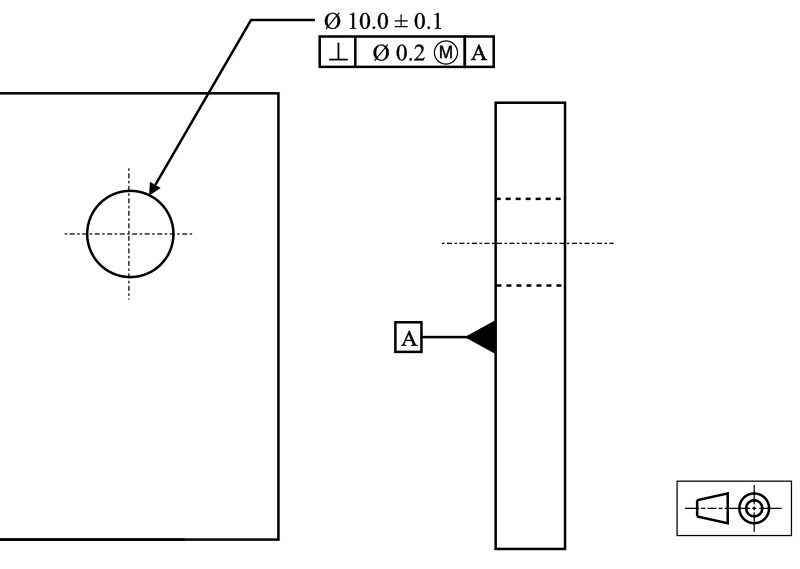
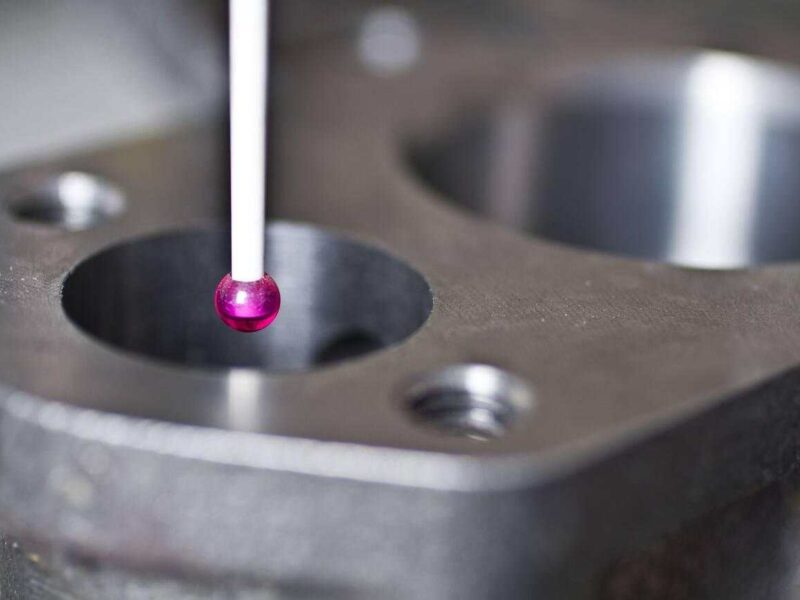
Once the parts have been machined, it is crucial to inspect them in order to know that they conform to the specifications, tolerances, and quality standards required. It may also be necessary to complete post-processing work, such as trimming or sanding, to achieve the required surface finish and dimension.
Common Types of Materials Used in Composite CNC Machining
When it comes to choosing the right composite for CNC (computer numerical control) machining, there are several key factors to consider that will greatly affect your final product. These factors include mechanical properties, cost, and the nature of your application to ensure it is best suited for your purpose. Here is a quick overview of several popular composites:
Carbon Fiber Reinforced Polymer (CFRP)
A CFRP utilizes carbon-reinforced fibers within a polymer matrix (usually epoxy). CFRP has a high strength-to-weight ratio, making it an excellent choice when weight matters. They are also very strong and light, with tensile strengths up to 3,500 MPa. They also resist fatigue. Moreover, they resist corrosion and harsh chemicals. Their major applications are in the aerospace industry (wing parts, fuselage), racing cars, and high-end sporting gear like bicycles and golf clubs.
Glass Fiber Reinforced Polymer (GFRP)
GFRP is composed of glass fibers within a polymer matrix, such as vinyl ester or polyester. It offers the best of both worlds in terms of cost versus performance.
General GFRP properties are high strength and rigidity with tensile properties up to 2,000 MPa, resilient yet deflection-resistant, good electrical insulator, and stable in physical dimensions. Its major chemical properties are resistance to water and many other chemicals. Its applications include surfboards, building panels, sailboats and boat hulls, vehicular structures, bicycle frames, bridge components, and automotive parts, where budget constraints and durability are factors.
Aramid Fiber Reinforced Polymer (AFRP)
AFRP includes strong aramid fibers (such as Kevlar) in a polymer matrix. It is lightweight but highly durable. They have high tensile strength (3,100 MPa+) and great vibration resistance. The properties of being abrasion-resistant and solvent-resistant make it an even better option. Their primary use is in aerospace, automotive, and military gear (body armor, helmets) that require impact resistance.
Basalt Fiber Reinforced Polymer (BFRP)
BFRP incorporates basalt fibers with polymers and is generating interest in its environmentally safe profile and positive performance. They are typically strong (around 2,400 MPa tensile strength), moisture-resistant, and UV-resistant. Moreover, they are stable to acids, alkalis, and corrosion. They have primary applications in civil engineering (reinforcement bars) and automotive components exposed to vibrations and heat.
Metal Matrix Composites (MMC)
MMCs typically incorporate metals like aluminum or titanium with reinforcing fibers (carbon or silicon carbide) that combine the toughness of metals with the strength of fibers. Aside from their exceptional mechanical properties, they also exhibit high thermal conductivity, wear resistance, tensile strength that is often 500 MPa, and good corrosion resistance, especially with aluminum matrices. Their primary applications are for engine parts, brake rotors, and aerospace structures requiring high strength with heat resistance.
Ceramic Matrix Composites (CMC)
CMCs consist of ceramic fibers held together in a ceramic matrix; they perform better than metals or polymers at extreme temperatures. They can be stable up to 2,500°C, lightweight, and resistant to fractures. Moreover, they are also resistant to thermal shock and oxidation. CMCs are typically used in aerospace turbine blades, exhaust nozzles, and other high-temperature applications.
Polymer Matrix Composites (PMC)
PMCs consist of polymer resins reinforced with fibers such as glass, carbon, or aramid. They have a high strength-to-weight ratio, low density, good corrosion resistance, and tensile strengths of up to 800 MPA. In addition, they have good chemical resistance and durability in extreme environments. Like other composites, PMCs are used for automotive parts, aerospace components, and consumer products that require high strength-to-weight ratios.
Natural Fiber Reinforced Polymer (NFRP)
NFRPs are natural fibers used with polymers and provide an eco-friendly option. They have moderate strength and stiffness and are equivalent to certain glass fibers. Further, they provide adequate corrosion resistance but absorb moisture more than synthetic fibers. Non-load-bearing automotive applications, building materials with a sustainability focus.
Hybrid Composites
Hybrid composites use two or more fiber types in a single matrix to enhance performance. In addition, they possess good stiffness, strength, and durability compared to monofilament composites. In addition to being mixed, the chemical characteristics can vary depending on the fibers and matrix that are selected, and are usually more stable across the range of conditions. Hybrid materials can also have useful properties for high-performance automotive and aerospace structural applications that require mechanical strength and environmental durability.
Boron Fiber Reinforced Polymer (BFRP)
Boron fibers in a polymer matrix can produce composites that have high stiffness and high strength. They are stiff (modulus up to 400 GPa) and have good compressive strength. They also have good resistance to corrosion and heat. Their principal uses are in aerospace structures (fuselages, rotor blades) and sporting goods that require both lightness and strength.
Silicon Carbide Reinforced Polymer (SiCRP)
SiCRP (Silicon Carbide Reinforced Polymers) are composites of various polymers and a hard ceramic material known as silicon carbide. Silicon carbide is known for its hardness, wear resistance, and thermal stability. SiCRPs are hard, wear-resistant materials with a tensile strength of up to 600 MPa.
SiCRPs are hard materials and can also offer thermal stability and low thermal expansion properties. Their main applications are in custom automotive and aerospace parts, where durability and heat or wear resistance are key.
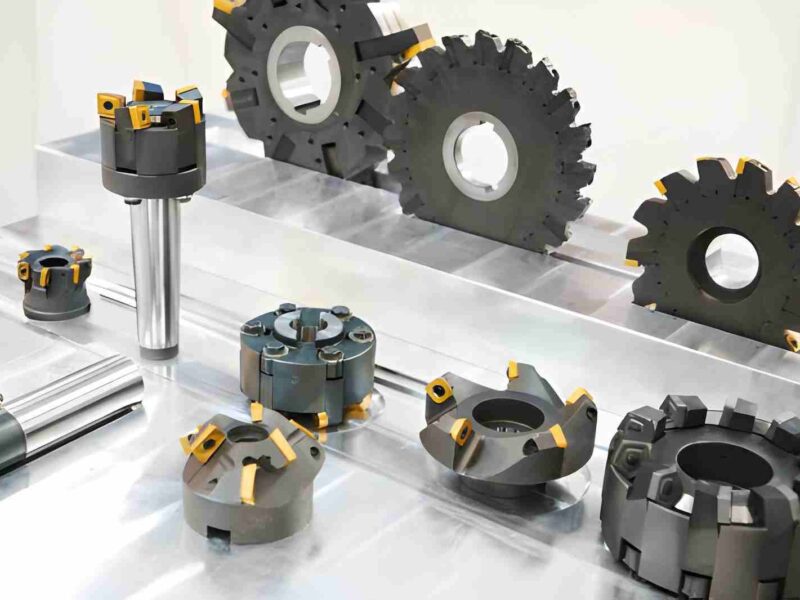
Standard CNC Machining Tools for Composites
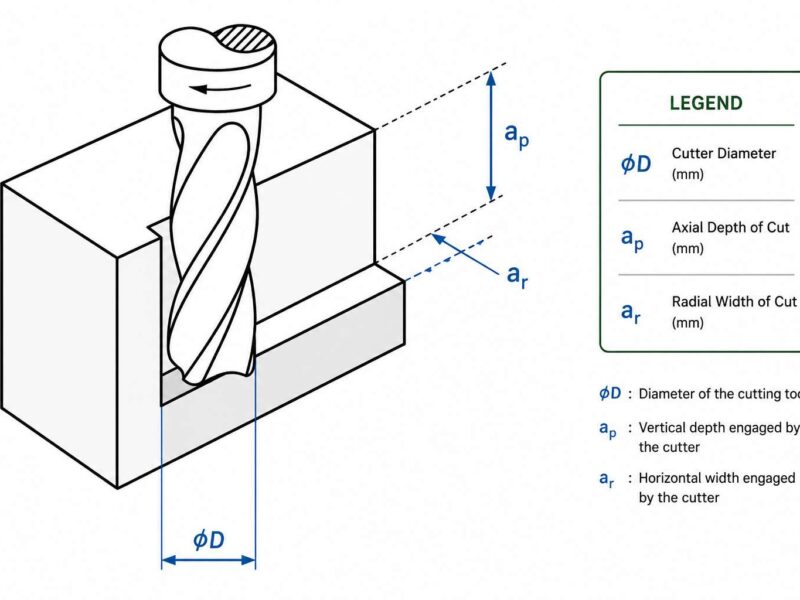
CNC machining composites requires special tooling owing to the inherent properties of these types of materials. Using the right tools can limit any damage during machining while improving the overall quality of the finished product. Below is a list of the standard tools used to cut composite materials:
- Carbide Tools: Due to their exceptional wear resistance and performance, carbide tools are suitable for CNC-machined composites. Carbide tools realize a good balance of cost and efficiency whilst generating good surface finishes.
- Chipbreaker Cutters: These tools reduce chips to smaller pieces, which reduces heat and wear on the tool, making them excellent tools for use in efficient CNC machining.
- Compression Cutters: These cutters are designed for machining composite panels; they prevent delamination of the laminate and leave a clean finish on both sides of the part.
- Compression Routers: Compression routers are important for cutting layered composites and help to reduce the likelihood of delamination and create smooth edges.
- Diamond-Coated Tools: Due to their superior hardness and durability, diamond-coated tools provide longevity and premium finishes while machining abrasive composites.
- CVD-Coated Tools: Chemical Vapor Deposition (CVD) films can provide wear resistance and even extend tool life, even in harsh machining conditions.
- High-Speed Steel (HSS) Tools: HSS tools are economical for machining less abrasive composites or for short production runs.
- Polycrystalline Diamond (PCD) Tools: PCD tools are well-suited for high-precision cutting, especially for long runs of production, so long as wear resistance is required.
- Straight Flute End Mills: These end mills are great for thermoset composites and will minimize fraying from uncut fibers, ultimately generating a good surface finish.
Practical Tips for Composite CNC Machining
Many elements need to be taken into consideration when CNC machining composite materials to achieve the expected tolerance and accuracy. Here is a reference to educate you on some of the things you need to consider:
1. Use Sharp Tools
Machining composite materials requires sharp tools due to their abrasive characteristics. A sharp tool will provide better cut quality, productive efficiency, and finish quality of the final part. Dull tools can introduce heat, wear rapidly, and tear materials. Sharp tools will reduce friction and tool wear and avoid issues like burrs, binding, and kickbacks.
2. Consider Dual Spindles and Multiple Tables
To leverage output and increase uptime, consider adding multi-spindle heads and multiple work tables. Multi-spindle heads allow the machine to cut two parts at the same time, increasing production capacity without increasing cost. This is ideal when machining more complex parts or higher quantities of a composite part.
3. Choose the Right Spindle Speed and Feed
Spindle speed and feed rate are critical components of efficiency and quality when machining composites on a CNC. Low RPM spindles with a high torque rating will cut metals well, but they will not cut composites. Composite machining will be easier and more productive with spindle speeds ranging from 18,000 to 24,000 RPM. A higher spindle speed ensures that you are reducing chip load on the tool; it enhances surface quality and reduces lead time while improving tool life. Some spindles offer variable adjustable speeds, which can allow the optimization of speeds for lightweight composites and heavier materials such as non-ferrous metals.
4. Ensure Proper Dust Removal
CNC machining of composites develops harmful dust and particles that can have significant health consequences. This is especially true of carbon fiber. Due to inhalation, dust can transfer to the lungs and become a long-term health issue. Thus, to avoid any damage from CNC machines, regular maintenance is a must. To maintain a clean environment, protect machinists, and produce a good product, dust removal systems are essential.
5. Tool Holder and Cutting Angle
Using the right tool holder will enhance stability and give a more accurate cut. Stable tool holders reduce tool wear and minimize delamination risk. They are always preferable because of their strength and precision, hydraulic and shrink-fit holders. Also, selecting the correct cutting angles will ensure clean cuts through composite layers without fraying or pulling.
6. Quality Control and Assurance
Quality is an important element for satisfying customer requirements and increasing productivity while reducing waste. Besides, quality concerns exist at every stage of the machining process. Frequent inspections will allow you to find and correct a quality concern earlier rather than later. Using high-quality, precision tooling, where possible, and having documented industry standards or certifications are ways to demonstrate that your machining process is reliable and of good quality.
How Premium Parts Handles Composite CNC Machining?
Premium Parts is a market leader in composite CNC machining, providing the best parts for a wide variety of industries. Moreover, Premium Parts utilizes CNC equipment to ensure high-quality material and dimensional accuracy on every CNC part produced. Besides, our engineers have years of expertise, having come from complex CNC machining project experience.
Such expertise allows them to contend with complex geometry with tight tolerances on all parts. Premium Parts’ quality commitment spans the entire production lifecycle, including inspection of incoming materials, in-process assessments, and final inspections. Every part has several quality controls before dispatch, ensuring that each part is free from defects and adheres to the exact specifications.
Conclusion
Composite materials can be difficult to machine, so CNC machining is the perfect processing technology to make them into a finished product. CNC machining for composites requires a high skill level and experience. However, it does allow for high design flexibility with intricate and complex geometries. CNC machining enables precision, accuracy, and high quality in the end product. As composite materials encompass more applications in numerous industries, such as medical, automobile, defense, marine, and aerospace, the role of advanced CNC machining increases. CNC machining will become more important in these industries and others, as it can solve issues with composite materials.
FAQs
Can we use CNC Machining for Composites?
Absolutely, we can use CNC machining for composites with high accuracy. Machining composites with CNC machines allows for the versatility to create complex shapes and detailed designs. Besides, we can also achieve tight tolerances. Although more complex than machining metals or plastics, machining composites does require special attention to tools and equipment as well as cutting speeds and techniques. This care and attention help avoid problems such as delamination or fiber pull-out in composites.
What are the applications of composite CNC-machined parts?
Composite CNC machining finds application in a wide variety of industries, including automotive, aerospace, medical, marine, defense, and wind energy. This process produces lightweight, high-strength, and accurate parts, like prosthetics, UAV frames, and turbine blades. In addition, composite materials offer eco-friendly and high-performance solutions for a variety of applications.