Fabrication processes related to sheet metal manufacturing are commonly perceived as a low-cost alternative for manufacturing specific parts. This leaves sheet metal fabrication as an optimal production method for rugged parts, whether single prototypes or high-volume production runs. The process seems simple: cut the sheet to size and shape it to the desired design. The challenge begins as your designs become more intricate.
When you add more complex features, costs can jump quickly, and what you remember as a basic part is now a premium part. Complex designs will also usually lead to increased manufacturing time, as you remember, sheet metal fabrication is one of the most labor-intensive processes in the industry. Ultimately, you created a cost-driven by how many operations the manufacturer needs to perform.
Choosing a simpler design is usually advantageous whenever possible (as long as it meets your needs). Explore some major ways to save time and bucks on your next manufacturing project:
Tips to Cut Sheet Metal Fabrication Costs
The expense of sheet metal fabrication projects depends upon many factors. From materials to procedure and tooling, you need to consider everything. Let’s explore how you can save costs while maintaining better quality. Keep reading to know some tips that can help you save money:
Select the Raw Materials Carefully
Raw material costs are a major factor in the overall cost of sheet metal fabrication. Choosing the right raw materials can lessen the overall cost. Generally, stock sizes of materials are the most economical option. The least expensive materials that meet your criteria are a good option for prototyping.
Soft steel might replace copper for prototypes. For the very final production parts, use the most generally affordable choice that still meets functional requirements.
Working with fabricators who purchase materials directly from the mill can also help reduce costs. Because they are connected to these mills, they often get lower bulk pricing. Plus, buying direct milling materials gives cheaper shipping and storage options, lowering overall costs.
Use a Common Gauge of Sheet Metal
Try designing your parts using standard sheet-metal gauges and sizes to reduce costs. Standard sheets and lengths are typically more economical than custom sizes or lengths. Thicker material can be more difficult to bend and cut, leading to increased costs. Try to design the parts to utilize a common gauge and material grades, depending on the current market conditions. By doing so, you will save bucks on different gauges.
Also, ordering specialty sheet metal gauges may increase your fabricator’s manufacturing costs. These very materials are often special orders, which causes part of the expense when it comes to the actual cost. So it is important to work with your fabricator to be able to determine a standard gauge that will meet your design requirements with materials that won’t be prohibitively expensive.
Avoid Complicated Design Elements
As we stated previously, regarding costs, the more complex your design, the higher the cost will be. Parts that require cutting, bending, and welding manipulations will create a greater expense. Design features with complexity and embellishments can be fun, but complexity typically comes with costs. In most cases, simplicity is the best effort.
To minimize fabrication costs, dumb down angle bends in the design parts, with rounded bends as a 1x inside radius to the thickness of the material chosen. Don’t create small bends on big, thick parts; these are usually inaccurate and expensive. An additional way to save money on the fabrication process is a consistent bend radius.
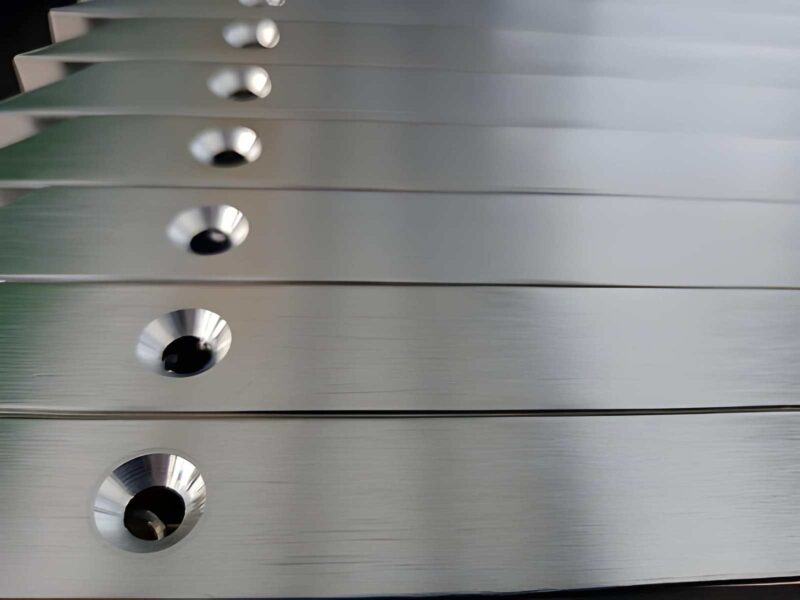
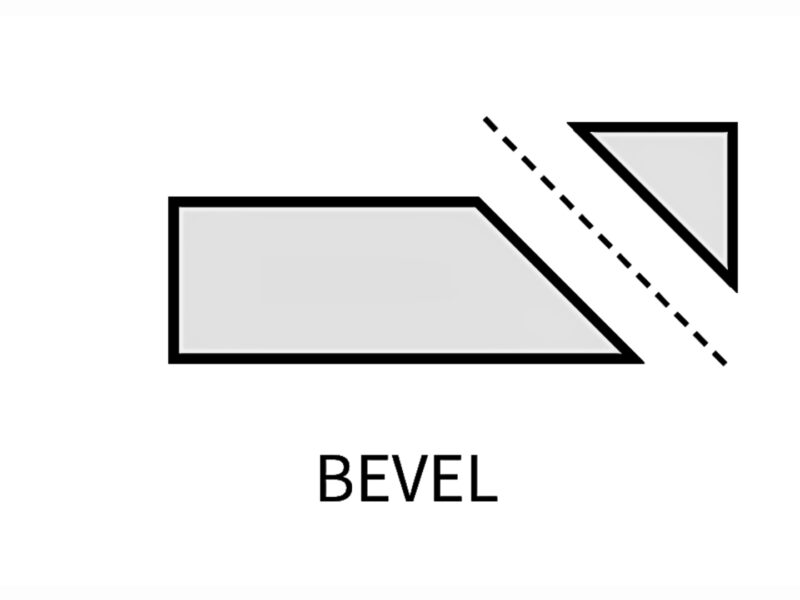
Moreover, avoid meaningless features and add extra time to the lead time and cost of the product, such as blind holes, machined pockets, or chamfered edges, as all these features can increase costs. Following an obvious sheet metal design guide can help you make more financially savvy decisions for your product.
Consider Finishing Options that Minimize Cost
Your selected finish for sheet metal components can dramatically affect the cost. The finish chosen is contingent on many factors, including the intended use of the finished part, its appearance, and more. Pre-plated metals might be a viable choice if the part is going to be used in a corrosive environment. Moreover, these metals offer a measure of corrosion resistance.
Pre-plated metals, such as galvanized steel, are not very good if a welded seam is required. Only finish the product with engraving or silk screening when you reach the final stages of product development to avoid incurring unnecessary costs.
Certain materials are inherently resistant to corrosion and may not necessitate any specialized finishes. Selecting a generic, uncomplicated finish can help keep costs low, while specialized finishes may take time to source and garner additional quotes from various suppliers, which may incur a higher cost for the finish and a longer lead time. Conversely, common finishes, such as chrome plating, passivation, anodizing, or powder coating, are easy to source and cost-effective. These finishes do not add an overall impact on price or manufacturing timelines.
Contact a Professional Fabricator
To ensure affordable sheet metal fabrication costs, consider working with a full-service fabricator. Fabrication companies, such as Premium Parts, that do the majority of the work themselves often can save you money by avoiding additional expenses or outsourcing.
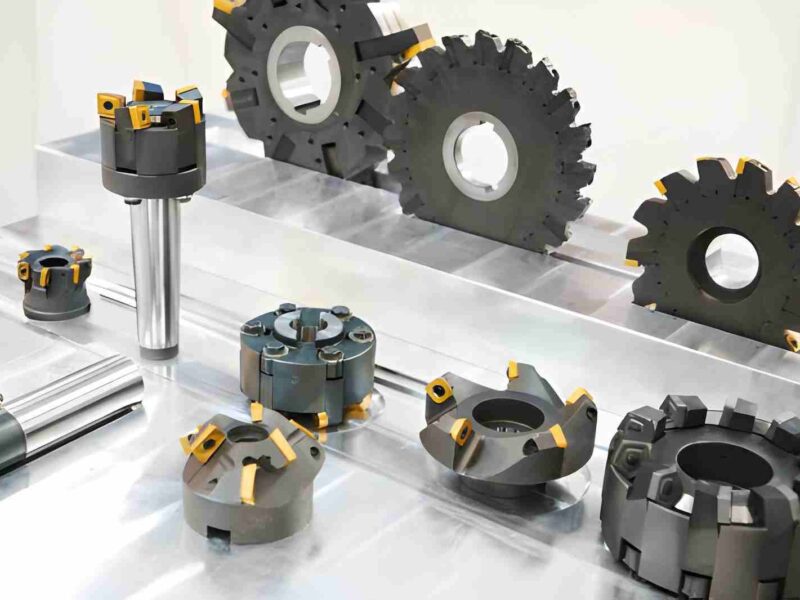
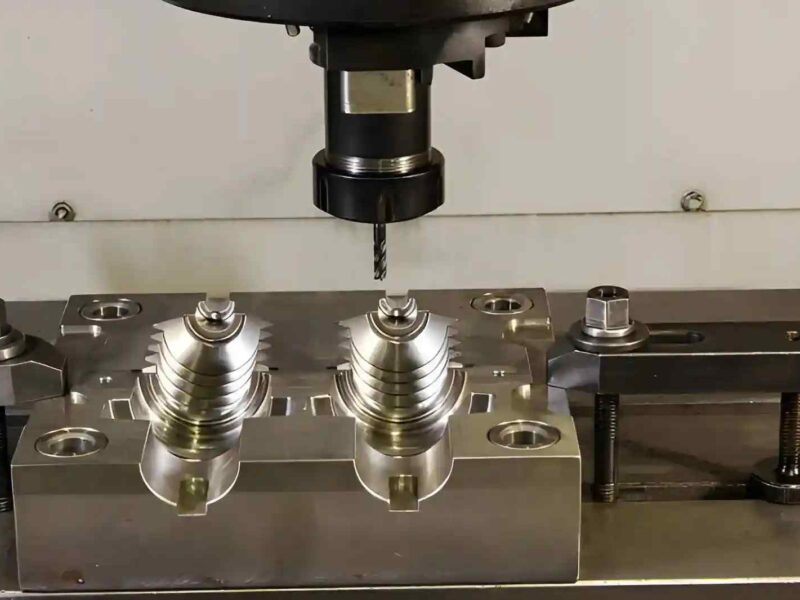
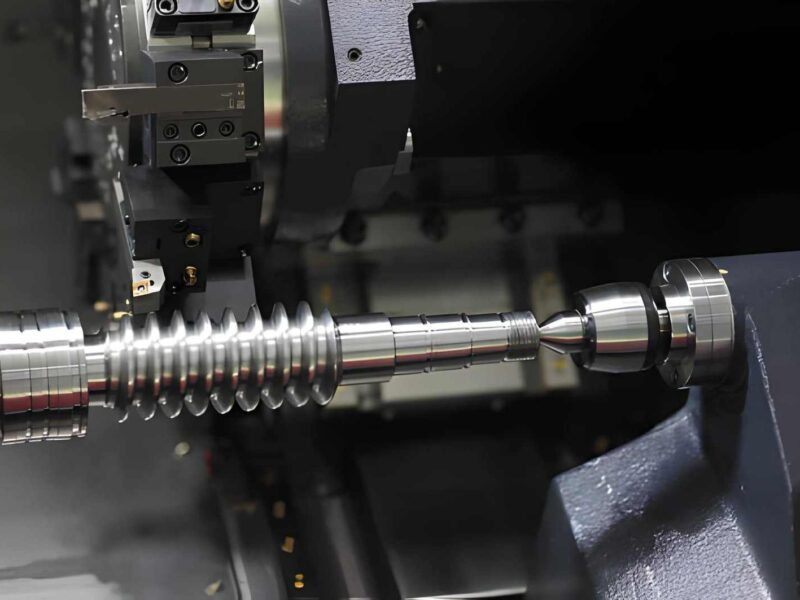
Seek companies, such as Premium Parts, that employ the most innovative sheet metal fabrication tools. With these advanced tools, manufacturers make products more quickly and consistently to achieve higher quality and, therefore, lower cost. A professional fabricator also helps you achieve your business objectives more efficiently, generally with a seamless pipe from design through assembly.
Avoid Elaborate Design Elements
One of the simplest methods for cutting costs in sheet metal fabrication is to avoid complicated design features. Unique features can add value aesthetically and, in some circumstances, even be functional. If you are on a budget, in most instances, the simplest option is the best.
The incorporation of blind sports and chamfered edges can also increase the cost and lead time. However, chamfers can enhance the aesthetics of your parts and mitigate the dangers posed by sharp edges, so you need to consider the value of implementing these elements against their costs. In general, simpler designs benefit fabrication costs and ultimately shorten turnaround times.
Include Hardware BOMs to Ensure Accuracy
Manufacturers can’t read your mind, so it is very important to provide a detailed Bill of Materials (BOM) or hardware list when you ask them for a quote. When you describe the hardware you are utilizing, our systems can then build the components with exact specifications, for example, threads to accept a screw.
You can include the BOM in your prints or a separate document, like a Word or Excel file, or it can also be mentioned in the comments section. The BOM should identify certain specified finishes, materials, and other specifications, as doing this at the outset eliminates a lot of back-and-forth emails, thus saving time and ensuring your parts are accurate to what you want. As the saying goes, time is money, and considering accuracy and precision, it’s pragmatic and effective to highlight these details when they can be.
Consider Delaying Silkscreening or Engraving
If you are in the early prototyping phase, you may not want to concern yourself with the aesthetics of finishes on your parts at this point. If this is accurate, underselling finishes such as silkscreening and engraving until later in development is a good idea.
When you determine a finish to explore, remember that silkscreening is cheaper than machine engraving but still relatively expensive. Machine engraving is permanent, but depending on the cost, it might not be something you can afford early on. If you want to make your silkscreened elements stick and last, consider using a dry powder clear coat. You will preserve the design and add durability and some wearability. You may spend more time and upfront costs; however, it will save money in the long run and provide the most cost-effective way of preserving.
Use Fast and Frugal Fasteners
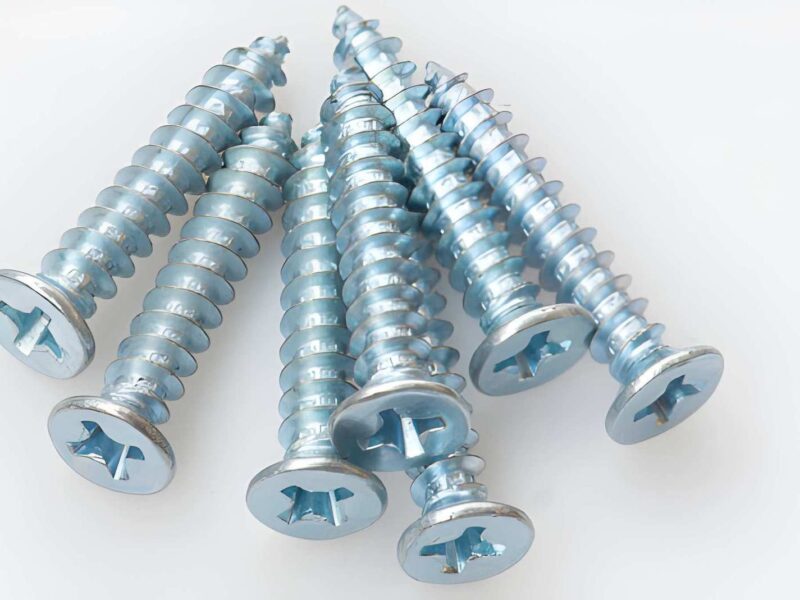
The decision to use fancy fasteners is a quick way to increase cost and slow the manufacturing process. The best option is to be mindful of fasteners that are easy to source and have standard availability. For example, use the fasteners made by PEM. The PEM catalog is super useful, and its site has an inventory search tool to check which suppliers have stock for a given PEM hardware item.
Keep in mind that it is sometimes a gamble when procuring aluminum or 400 series type (stainless steel) hardware. PEM can supply this material, but you’ll need to put in an order for large quantities, a minimum order of 10,000 pieces. Moreover, expect another six to eight weeks of lead time. You may even end up with hardware that you never use. Now you’ve spent all that money on expensive, unused inventory just sitting in your warehouse!
Simplify Sheet Metal Parts with Off-the-Shelf Hardware
If your assembly uses built-in components that do specific jobs, like card guides to hold circuit boards, consider utilizing off-the-shelf hardware rather than having one fabricated. You can have the guides stamped from sheet metal, but it can be a long and costly process. Stamping tools for custom card guides can be more than $1000 and are rarely used enough to justify the expense.
Instead, you can take standard press-fit card guides and make your design suitable for them. There might be some design limitations in where to place the guides, but not having to design and make a custom fitting is worth the money and time saved to design existing, off-the-shelf parts.
A Few Additional Tips
In addition to the tips mentioned earlier, other sheet metal fabrication design considerations can help you reduce costs:
Stick with Appropriate Tight Tolerances
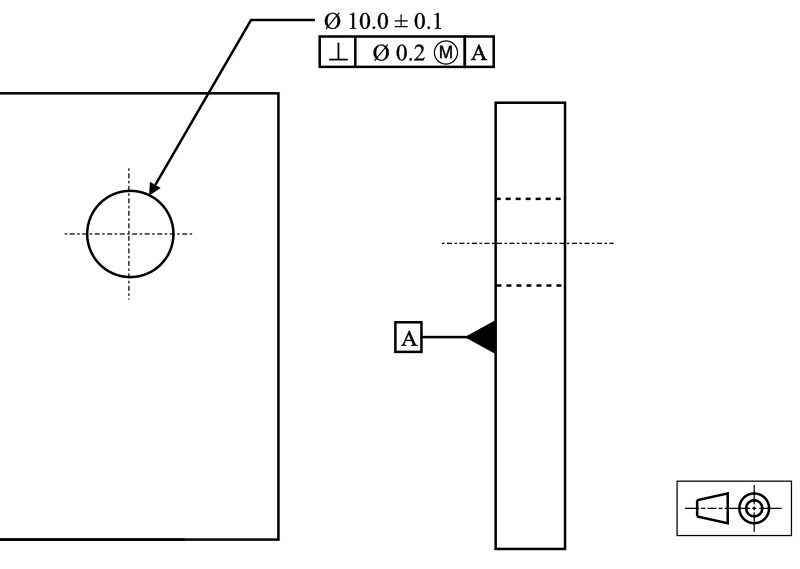
Parts with multiple features requiring tight tolerances often result in higher costs. Tolerances for radii, distances, and hole diameters should be applied only to surfaces critical for the part’s function. Avoiding tight tolerances helps keep the design less expensive.
Utilize Optimal Bend Radius
Another way to save on fabrication costs is by using optimal geometries in your part design. Generally, internal bend radii should be from 0.030 inches to 1x material thickness. This ensures manufacturers can easily form the radii using specialized tools designed for these geometries.
Consider Fast, Frugal Fasteners
Using expensive or complex fasteners increases the cost and the time required for manufacturing. Instead, opt for fast, affordable, readily available fasteners to keep your production efficient and cost-effective.
Final Verdict
When designing sheet metal parts, cost is an important consideration. The recommendations we’ve presented above will allow you to save on sheet metal fabrication costs.
Along with the above recommendations, our highly skilled technicians at Premium Parts specialize in custom sheet metal fabrication. We offer excellent quality sheet metal fabrication when you need to produce high-quality parts at a reasonable price.
We are a certified company that provides DfM (Design for Manufacturing) analysis to help you optimize your design. In addition, our professional team can provide advice to reduce your fabrication costs. Contact us now to get an instant quote!
FAQs
How Do You Calculate Sheet Metal Fabrication Costs?
To figure sheet metal fabrication costs, you must find the costs from material to assembly to shipping. First, you want to break this down into separate phases of the overall production cycle. Identify the raw material costs first. Then, calculate the machining costs. Continue this until you associate costs with every production step to get a complete cost estimate.
What Contributes to the Fabrication Costs?
Raw materials are the primary factor that influences the total fabrication costs. There are many factors, including installation costs, welding and finishing costs, labor costs, and the difficulty of design. All these factors come into play to determine the total costs associated with sheet metal fabrication.
How Can You Reduce Sheet Metal Fabrication Costs?
To keep costs down on a sheet metal fabrication project, choose the correct raw materials and use standard sheet metal gauges to cut down material costs. Only include features that lift the design beyond a plain flat part, avoiding added complexity, and use affordable finishes to keep costs manageable. Lastly and very importantly, partner with a fabricator who efficiently manages externally performed projects, producing good projects and prices.