Metal Plating involves a thin layer of one metal over the surface of another. This process has been used for centuries. Today, it is a critical process in modern manufacturing and technology. There are many reasons people use metal plating. It can increase corrosion resistance and harden surfaces. Moreover, it improves paint adhesion and helps parts last longer. Therefore, metal plating is a great consideration for a post-production finish. It adds value, durability, and provides protection.
There are a variety of metal plating types. You can select based on your part’s functionality and aesthetic needs. Some plating types enhance performance, while others improve aesthetics. However, a few can offer both features: performance and aesthetic qualities.
This article explains different types of metal plating, how plating works by outlining the necessary principles, and demonstrates how to incorporate the key attributes of metal plating.
Understanding Metal Plating
Metal plating simply refers to adding a layer of metal to the surface of a metal object or component through various plating methods. It has two common forms:
- Electroplating: In electroplating, an electric current is passed through the object to deposit metal ions on the surface.
- Electroless Plating: In comparison, electroless plating does not use an electrode; instead, it utilizes chemical reactions to coat the surface.
However, both methods serve to improve corrosion resistance. Each has its unique benefits, depending on the application. Along with protection, metal plating also adds a look.
Manufacturers report that plating improves solderability, increases strength, and reduces friction, all of which prolong the life of the part. It can also affect conductivity to provide specific electrical properties. Various metals are common in plating processes. These include:
- Gold
- Nickel
- Silver
- Tin
- Zinc
- Zinc-Iron
- Copper
- Black Nickel
- Zinc-Nickel
- Chrome
- Rhodium
There are two types of coatings, industrial and commercial. Manufacturers use commercial coatings for everyday products such as tools, silverware, and jewelry. Commercial coatings not only enhance the appearance of items but can also increase their durability. Industrial coatings give strength to the metal parts. They will also help components work under extreme conditions while combating wear.
Metal Plating Techniques (Process-Based Classification)
Different industries use various metal plating techniques. Each technique offers a specific plating type that comes with distinct specifications and functionality. Here are some of them:
Electroplating
In electroplating, a layer of metal or alloy is deposited onto a workpiece. It involves an electric current that moves positively charged metal ions through an electrolyte solution. The positively charged metal ions are attracted to the negatively charged workpiece. This allows them to bond to the workpiece’s surface.
While the submersion operation continues, a thin, even layer of metal is deposited, enabling the practical chemical enhancement, mechanical, and physical properties of the base metal. Electroplating provides a uniform, smooth finish that protects the base material from corrosion and wear, while also enhancing its aesthetics.
Electroless Plating
Electroless plating is a more economical and less complicated process than electroplating. Also called autocatalytic plating or chemical plating, it does not require an external electric current. Electroless plating, on the other hand, utilizes a chemical reducing bath to deposit metals such as copper, gold, nickel, and silver onto surfaces. This method utilizes catalytic reduction and does not require electric machinery.
Electroless plating is a desirable option for components with a hard surface that require high corrosion resistance. Therefore, the oil and marine industries utilize this method to produce durable components, such as pumps and valves, that are routinely subjected to harsh environments.
Immersion Plating
Immersion metal plating is a process in which a base metal is immersed in a chemical solution containing noble metal ions. Noble metal ions usually remain stable and create a natural chemical reaction. When a less noble metal, such as copper, is placed in the solution, it begins to dissolve. This reaction liberates electrons; therefore, noble metal ions, gold, silver, or platinum, can bond to the surface. The reaction forms a metallic coating on the surface of the base metal.
As the coating is formed, the reaction slows and eventually stops once the surface has been completely covered. Unlike electroplating, immersion plating does not require an external current. The initial process is slower than either electroless or electroplating; however, immersion plating is an excellent means of enhancing electrical characteristics and improving coating adhesion. Gold plating occurs at temperatures ranging from 80°C to 90°C, while silver plating occurs at temperatures between 50°C and 60°C.
Common Types of Metal Plating by Coating Material
Various metal plating techniques utilize specific metals, each with its unique properties and applications. These metals have different advantages and limitations based on their composition. Each type of plating also has a distinct process, which is crucial for industries selecting the right material. Industries ranging from electronics to automotive, aerospace, jewelry, and consumer goods all depend on this knowledge when deciding which plating type to use. Once they decide on what type of plating to use, they ensure better performance, durability, and longevity for their product.
Zinc Plating
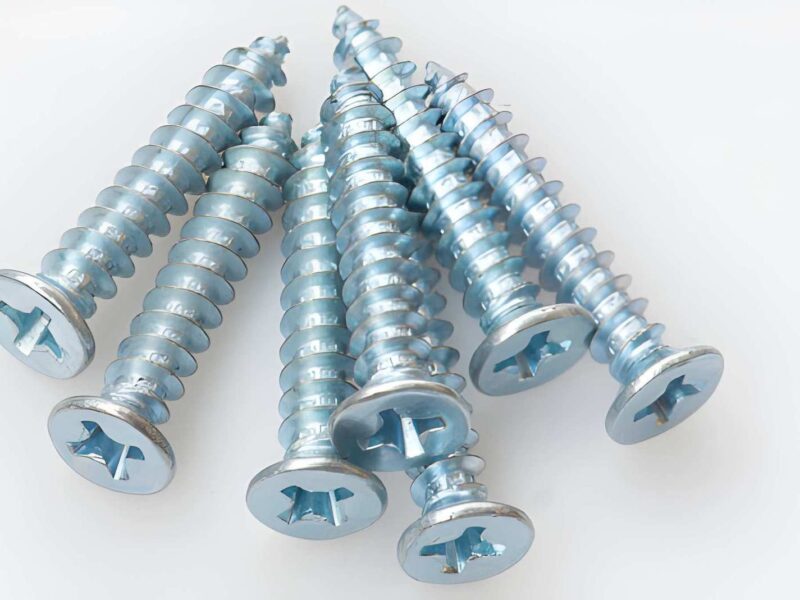
Zinc plating provides a cost-effective method of protection of metal surfaces – manufacturers apply zinc via either dipping into a molten bath or spraying. In electrolytic baths, the metal substrate serves as the cathode, and the zinc acts as the anode, both immersed in a soluble zinc salt solution. Zinc plating creates a tough, ductile coating that allows for precise control of both thickness and uniformity. Zinc plating enhances corrosion resistance and provides a smooth, engineered protective coating.
Chrome Plating
Chrome plating, also known as alodine finishing, utilizes chromic acid or trivalent chromium baths to coat metal parts. While it is often considered an aesthetic finish, it also offers additional functional benefits, primarily enhancing the appearance of materials. Chrome plating provides a harder surface and adds a level of corrosion resistance. Additionally, parts that are typically worn can often be plated to restore them to their original tolerances. These functional properties offer entirely different capabilities for chrome-plated components under demanding industrial servicing.
Nickel Plating
Nickel is another common and versatile metal that is valuable in electroless plating. The nickel plating will provide a barrier coating, helping to protect the surfaces of household items, such as door knobs, shower fixtures, and cutlery. Nickel not only has protective properties but can also enhance the appearance and wear resistance of the item. Nickel-plating is particularly useful for aluminum and copper; however, other metals can also be plated, and nickel provides a good barrier coat for basic plating before chrome plating.
Copper Plating
Copper plating is a crucial process in industries that require high levels of electrical and thermal conductivity. Industries such as electronics, power transmission, PCB manufacture, and renewable energy systems rely on it.
Most manufacturers appreciate it because copper plating is inexpensive and can be easily and quickly applied to complex shapes without complicating the process. It also forms a good underlayer and provides exceptional adhesion properties for additional metallic coatings.
Copper itself is a better substrate in a multi-layer finishing system. The one disadvantage of copper is that it can corrode. Overall, industries utilize copper plating for both decorative and functional purposes in architecture, as well as in various hardware applications.
Cadmium Plating
Cadmium coatings offer exceptional corrosion resistance and inherent lubricity. These attributes make it well-suited for aerospace, military, and maritime applications. Parts such as bolts, fasteners, and landing gear are protected through the use of cadmium due to its durability in saltwater environments. Seen as economically advantageous, cadmium also works effectively in challenging maintenance conditions, particularly under high-risk and high-disassembly circumstances.
Nonetheless, the environmental and health concerns associated with it have greatly curtailed its use, as its toxicity and potential hazards have driven regulations regarding cadmium plating. Hence, many aerospace manufacturers are now using zinc-nickel alloy plating as a safer alternative.
Aluminum Plating
Aluminum plating has significant applications in the electronics, aerospace, and automotive industries due to its lightweight, formability, and cost-effective corrosion resistance. Additionally, aluminum alloys exhibit a wide range of properties.
For example, 1000 series alloys offer excellent electrical and thermal conductivity, as well as natural corrosion resistance. The 7000 series, based on zinc and magnesium, offers high strength for all demanding applications.
Though aluminum has many advantages, it presents difficulties with plating. Aluminum can form an inert oxide layer quickly, which can inhibit adhesion. Another concern is grain structure and bonding with aluminum. As a result, experienced technicians will first apply a surface treatment suitable for aluminum before plating aluminum parts.
Gold Plating
Gold plating involves applying pure or alloyed gold to metal surfaces using electrolytic or chemical processes. Industries love gold plating because of its great resistance to oxidation and high electrical conductivity. Its inherently inert and biocompatible surface makes it an appealing choice for a wide range of sensitive applications. Gold plating is so widely used that it is a given in fine jewelry, luxury timepieces, electronic connectors, circuit boards, and medical devices.
Engineers typically apply either nickel or copper strike as a base for gold plating. This underlayer provides a good bond and prevents tarnishing, especially when plating over copper substrates. Then, the thickness and purity of the gold layer can vary depending on the reliability of the application.
Silver Plating
Silver plating offers excellent heat and electrical conductivity, which can outperform gold. It also represents a cost-effective alternative for many industries and is widely used by manufacturers in sectors such as power generation, switchgear, telecommunications, aerospace, and high-temperature mechanical applications. Additionally, silver plating is also used to eliminate galling in fasteners and bearings.
Advanced processes allow for multi-layer silver coatings. These coatings improve wear resistance, solderability, and durability in extreme environments. These processes secure adhesion with the substrate through pre-plating processes, such as chemical etching and activation, to remove oxide films.
Advantages and Disadvantages of Metal Plating
All the types of metal plating offer major benefits and drawbacks. Let’s take a look at them:
Benefits of Metal Plating
Electroplating offers numerous benefits, including enhancements in aesthetic appeal, component strength, conductivity, and longevity. Different users, including manufacturers and engineers, deploy these benefits in various ways. Engineers are often interested in electroplating to improve the durability or strength of their designs. Here are some major benefits of metal plating:
- When a metal coating, for example, nickel or copper, is applied to a part, the tensile strength increases dramatically.
- The metal layer forms surface properties that serve as barriers to the environment, about UV attack, chemical exposure, or corrosion, and thus provides components that are much improved for use.
- Artists use electroplating to secure natural materials that will decay, such as leaves, into lasting art.
- In medicine, electroplating creates implants that are corrosion-resistant and can be sterilized.
- Metal plating is also useful for the decorative metal finishing of consumer products, figurines, sculptures, and art pieces.
- Manufacturers often use electroplating as a choice of process for substrates, to produce lighter-weight pieces or parts that are more economical and transport-friendly.
Further electroplating also enhances conductivity. Because metals are conductive by nature, their performance improves after metal plating, such as electroplating.
Drawbacks of Metal Plating
Electroplating has several benefits, but it also has various challenges. The process involves hazardous chemicals and complex procedures. The potential for exposure to hexavalent chromium requires safe practices. To mitigate this concern, facilities must maintain good ventilation and adhere to strict safety practices.
Similar challenges can also exist with structural plating. Searching for metal compatibility can involve multiple chemical baths, extended processing times, and other factors. With these requirements in mind, many engineers and designers team up with established electroplating specialists. These third-party manufacturers will ensure safety, accuracy, and large volumes of quality.
Applications of Metal Plating Finishes
Various industries apply different plating finishes to metals based on product specifications. Finishes provide functional and aesthetic value to metals across numerous industries. Below are a few key applications:
Aerospace
Aerospace engineers electroplate airplane parts to provide sacrificial coatings. The electroplating process can effectively reduce corrosion and prolong the life of airplane parts. Aircraft parts can see tremendous temperature swings in harsh operating conditions, which makes metal plating an important part of protection and reliability.
Automotive
Automakers adopt electroplating for special parts in concept vehicles and for repairing abandoned models. Suppliers apply finishes of nickel, chrome, and on motorcycle and automotive components for both aesthetics and performance. Meanwhile, black oxide coatings have gained popularity, especially on machined components, due to their durability and strength.
Power
The electric sector improves the conduction of electricity through electroplating. Electric sector manufacturers electroplate contacts of solar cells, antennas, and wires with silver, nickel, and other similar metals. Electroplated parts improve system efficiency and service lifetime.
Dental and Medical
To improve surface hardness, metal plating has major uses in medical and dental instruments. Plating also serves to prevent wear and/or corrosion. Gold plating has many applications in dental inlays; thus, gold inlays are both functional and safe for procedures.
Jewelry
Most of the jewelry designers use electroplating. Jewelry designers choose to electroplate because it provides them with color, shine, and durability. The gold, silver, and rhodium coatings on rings, bracelets, and pendants give jewelry a significantly more attractive appearance, while also adding value.
Premium Parts’ Metal Plating Services
When seeking the right experts for your machining projects, you can be assured of the highest quality results possible. When considering metal plating, think of Premium Parts as your trusted experts! At Premium Parts, we ensure all your custom metal plating project specifications are fully satisfied.
Premium Parts has extensive expertise in providing a wide range of cost-effective metal finishing solutions for various industries. Our team will help you determine which plating systems will improve the performance and durability of your parts. We collaborate with you to deliver realistic, cost-effective solutions tailored to your specifications. Contact us today to start your next project with confidence.
FAQs
Which industries use metal plating the most?
Industries like aerospace, automotive, electronics, medical, and jewelry all use metal plating for both functional and decorative purposes.
What is the difference between electroplating and electroless plating?
Electroplating involves an external electric current; electroless plating does not and relies on chemical reactions without electricity.
How thick is a typical metal plating layer?
Plating thickness varies by application but usually ranges from 0.1 to 25 microns.
How long does metal plating last?
Lifespan depends on the plating material, environment, and usage. With proper care, it can last several years.