In CNC machining, achieving perfect results relies on work that’s done ahead of setting the machine in motion. Perhaps the most significant decision for any engineer, product developer, or buyer is which material to use for the product.
CNC machines can produce various shapes from different materials. Although not every material is suitable for every job. The material should support the structure; the way it’s used should lead the design choice. Still, the options available from metals, plastics, alloys, and composites may cause confusion.
From machinability to durability, efficiency to finish, deciding on the appropriate material can mean either significant returns or wasted money.
At Premium Parts, we are aware that using the right materials influences your project’s duration, results, and budget. We make sure that no matter whether you’re prototyping or mass producing, materials are always chosen so every element appears right and performs as it should.
Why Material Selection Matters in CNC Machining
The material you use is key to how well your part functions. The choice of material (substrate) impacts all main aspects of CNC machining: strength, tolerance, weight, finish, how long it lasts, and its cost. A slight difference between what your project needs and what the material can do can lead to failure, waste, or expensive rework.
A part used in outdoor conditions can break down if it is made from non-corrosion-resistant steel. If the plastic is not very dimensionally stable, a part with precise tolerances may warp. If there are many being made, small material inefficiencies speed up machine usage and quickly damage tools.
Different industries prioritize different properties. Seeing as medical device manufacturers do, they rely on 316 stainless steel and PEEK. These are biocompatible. Strength-to-weight ratio is key in aerospace, which makes aluminum alloys or titanium the preferred choices. Because consumer electronics need to be accurate, attractive, and have the right temperature control, ABS and polycarbonate plastics are most suitable.
Material properties directly influence:
- Machining behavior (speed, chip removal, tool life)
- Post-processing options (anodizing, polishing, plating)
- Tolerance stability during and after machining
- Long-term durability based on the application environment
Factors to Consider When Choosing CNC Materials
A good CNC project starts with smart material selection. Here’s what to weigh before locking in your choice:
1. Mechanical Properties
Start by defining your part’s mechanical needs. Is the item expected to support weight, resist wear and tear, bend under pressure, or stay rigid? Consider tensile strength, hardness, and fatigue resistance. Classic examples such as titanium and 7075 aluminum are ideal for strength, though they are more expensive and more difficult to work with.
2. Machinability
Some materials allow for smooth and fast cutting, which keeps downtime and tool costs low. Others require slower speeds and specialized tooling. You can create prototypes or manufacture parts with aluminum, which is easy to machine, but titanium or steel need tougher tools and can be costlier.
3. Application Environment
Think beyond the shop floor. Is the material likely to run into moisture, be exposed to chemicals, get hit with UV light, or face heat? Stainless steel is preferred when corrosion might be a problem, and PTFE is ideal for exposure to strong chemicals and very high temperatures. Things used outdoors or in the sea need materials that will not rust or degrade.
4. Cost and Availability
Budget always plays a major role. Materials vary widely in price and lead time. Though titanium is very effective, it might not be appropriate for a project that requires cost savings. In certain situations, 6061 aluminum or Delrin can provide the required strength without costing you much.
5. Finish and Aesthetics
When the part needs to look good or be durable, check how it reacts to various surface finishing techniques. Polycarbonate types of plastics have excellent transparency, and brass creates a natural shine. Anodizing can turn metals like aluminum into parts with a sleek and enduring look.
Popular Metals for CNC Machining Projects
1. Aluminum Alloys (6061, 7075, etc.)
Thanks to aluminum’s lightweight property, strong corrosion resistance, and effortless machining, it makes it a leading choice for CNC machining. You can rely on 6061 aluminum for fast turnaround and good strength. High feed rates do not reduce its ability to perform smoothly. It causes a few problems with the tools used. The reason why engineers use 6061 for brackets, enclosures, and basic features is that a combination of toughness and cost-effectiveness matters a lot in those cases.
If your project demands more tensile strength, such as for aerospace or high-load brackets, 7075 aluminum should be your choice. 7075 is not as convenient as 6061 for machining, but it is much tougher. The high strength is valuable, but it also makes 7075 cost much more, so we suggest it only when it is required.
2. Stainless Steel (303, 304, 316)
Go with stainless steel if your application demands corrosion resistance. For parts needed in plumbing fixtures, food-processing equipment, and consumer appliances, 303 stainless steel is often used. In cases where you must deal with saltwater or chemical exposure, go for 304 or 316 stainless steel.
304 stainless steel is strong against corrosion and is easy to shape. It suits kitchen equipment, architectural trim, and general-purpose hardware.
316 stainless steel is treated with molybdenum to resist chlorides and harsh chemicals. Parts made of 316 are found in medical tools, marine systems, and pharmaceutical equipment.
Bear in mind: stainless steel causes added stress to your tools and leads to higher temperatures. Premium Parts uses high-quality toolpaths, coolants, and tools, so all your stainless products are highly accurate and burr-free.
3. Brass and Copper
Brass and copper have some common machining properties and are pleasing to look at, along with being electrically functional. It is easy for brass to be machined, and this often creates a shiny finish that does not need much further processing. Often, designers decide to use brass for decorative fixtures, musical instruments for music, and electrical fasteners. Although copper is not as hard as brass, it performs well when it comes to heat and electricity. Heat sinks, electrodes, and circuit boards are all found to contain copper. Since copper causes more clogging with tools, we make necessary changes to achieve clean and sharp results.
4. Titanium
Titanium is well known for being very strong and able to resist corrosion more than most metals. Aerospace manufacturers turn to titanium for the fundamental sections of planes and engines. Uncertainty in the medical field means manufacturers use titanium for implants and surgical equipment. Though titanium stays corrosion-free in saltwater, it is hard to machine because it is tough and thermally not highly conductive.
5. Mild and Carbon Steel (1018, 1045, etc.)
If you are looking for strong and cost-efficient parts, mild and carbon steel are good solutions. It is easy to machine AISI 1018 steel, making it useful for shafts, pins, and the general framework of machines. 1045 carbon steel hardens well and gains strength, making it suitable for gears, sprockets, and parts that have to be strong. It takes less time to cut both of these grades of steel, making them more cost-effective than stainless steel. To keep things in shape, Premium Parts uses stress-relief procedures and controlled cooling, avoiding warping and gaining the required results.
Common Plastics in CNC Machining
1. ABS (Acrylonitrile Butadiene Styrene)
Manufacturers rely on ABS for prototypes, enclosures, and consumer goods. It achieves a good amount of strength, the ability to withstand impact, and stable dimensions. Machinists appreciate its smooth finish and minimal tool wear. For items that require further processes, such as painting or ultrasonic welding, ABS does a good job. If you are building a low-priced prototype for testing fit and function, ABS can reduce the time for prototyping.
2. POM (Delrin/Acetal)
Another name for POM is Delrin. It has low friction, high toughness, and good stability. It is used to make precision gears, bearings, and sliding components that require little wear over time. For this reason, people often use POM for moving parts in robots, automobile parts, and medical instruments.
3. Nylon
Nylon is known for its strength, strong wear resistance, and resistance to most chemicals. It is used in bushings, rollers, and insulators where the materials need to touch and rub together because of movement. Nylon will pick up moisture slowly, and that can lead to slight changes in its shape.
4. PTFE (Teflon)
If you are looking for a substance that does not react and has low friction, PTFE is the right option. Almost no known chemical reacts with it, and it provides perfect electrical insulation. Chip evacuation must be planned well, and the cutting pressure needs to be kept low in machining PTFE to avoid overheating.
5. Polycarbonate
Because polycarbonate is clear and strong, it becomes the top choice for many types of protective windows, machine guards, and light shields. It is machined at a moderate speed, but it can melt if the feed is too slow. Engineers use specific settings to ensure things stay clear, without stressing the components.
Matching Material to Project Goals
You should select your ideal material by checking how it matches your end-use needs with its specific characteristics. Here is a list of situations and the materials that are best for each case.
High-Precision Gears for Automation
- Recommended Material: Acetal (Delrin)
- Why: Acetal features low friction and excellent dimensional stability. Millions of uses of toothed profiles in machines can be maintained by Delrin because it keeps its shape and does not wear out.
Corrosion-Resistant Medical Instrument Housing
- Recommended Material: 316 Stainless Steel
- Why: 316 stainless steel is strong enough to manage sterilization and direct contact with bodily fluids. Its safety for the body and strength help it remain a key part of surgical equipment and devices.
Lightweight, High-Strength Drone Frame Component
- Recommended Material: Aluminum 7075
- Why: 7075 aluminum is stronger and lighter, so your drone can manage more payload without losing flight time.
Electrical Connector with High Conductivity
- Recommended Material: Copper or Brass
- Why: Copper delivers superior conductivity, and brass helps by preventing corrosion and giving better surface machining.
Every project carries unique demands. We, the folks at Premium Parts, have helped hundreds of our clients deal with similar issues. We consider the needed mechanical features, the presence of chemicals in the surroundings, and your budget to propose the perfect material that prevents unnecessary expenses on prototypes.
Machining Challenges with Certain Materials & How to Solve Them
It is common for experienced engineers to hit obstacles when trying to machine difficult materials. Below, we highlight common hurdles and share actionable solutions:
Warping in Plastics
- Issue: Nylon and polycarbonate absorbing heat while they are being machined can lead to warping or shifts in measurements with different chip loads.
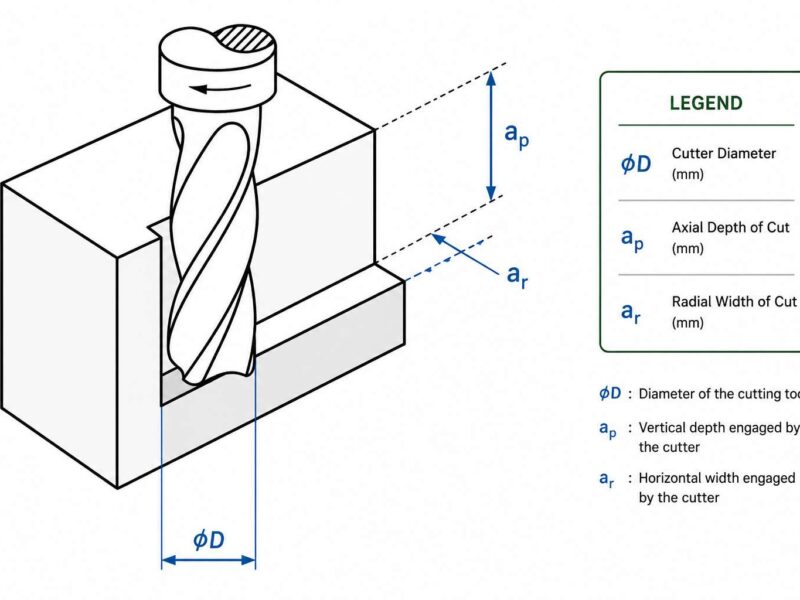
- Solution: You can solve this by reducing the depth of the cut and raising the speed of the spindle. Use sharp end mills with a high number of twists, and be sure the coolant is flowing correctly while using them.
Excessive Tool Wear with Stainless Steel
- Issue: Austenitic stainless steels (304, 316) work harden rapidly. Leaving your tool in the same place for too long will make it rub instead of cutting, which accelerates its wear.
- Solution: Employ aggressive feed rates and climb milling strategies. Using coated carbide tools and the right toolpaths helps the cutter move steadily through the material, so there is no area where the material work-hardens.
Overheating and Chatter with Titanium
- Issue: Titanium’s poor thermal conductivity leads to heat being concentrated around the cutting blade, which leads to the blade moving and leaving marks on the workpiece.
- Solution: Use rigid fixturing and optimized peck drilling strategies. Premium Parts limits cutting depth, runs the spindle at higher speeds, uses slow feeds, and applies flood coolant to clear chips and lower the heat generated.
Poor Surface Finish on Aluminum
- Issue: The tool can accumulate aluminum, which creates a rough or gummy surface.
- Solution: The best option is to use silicon nitride or PVD tools that are made for processing non-ferrous materials. We adjust spindle speed as needed to keep chips from sticking and use an air blast or mist of coolant to remove the chips inside the cutting area to ensure a clean finish.
Conclusion
You might find it hard to pick out suitable materials for CNC machining. Looking at mechanical performance, ease of machining, the impact of the environment, and cost will help you design parts that work well and fit the budget. Every material, including aluminum and Delrin, as well as stainless steel and polycarbonate, has a specific purpose, and it’s your task to link these to what you’re building.
Premium Parts helps customers choose the right material and comprehensive manufacturing solution, making the process easier for you. We monitor the material for the project from the start of prototypes and before production until finished to ensure it fulfills your project expectations. If you team up with us, you get support from our experienced, creative, and technical staff for CNC machining.