The creation of clean edges during CNC machining is sometimes subject to unforeseen difficulties. Sharp corners chip readily and cause fitment and handling hazards. Minor edge errors can readily cause rework, time loss, and increased costs.
Beveled edges lower this difficulty with angled and controlled transitions. They enhance the strength of the parts, the accuracy of assembly, and safe handling. Edge damage and stress are also minimized by proper beveling. You get components that are more comfortable and durable. The right bevel selection requires a thorough understanding of the process.
Premium Parts help you apply the right bevel for each application. We machine bevels accurately using controlled CNC processes, along with rework elimination, enhancing consistency and safeguarding critical edges. This article reviews all the systematics of bevel CNC machining.
What is a Beveled Edge in CNC Machining?
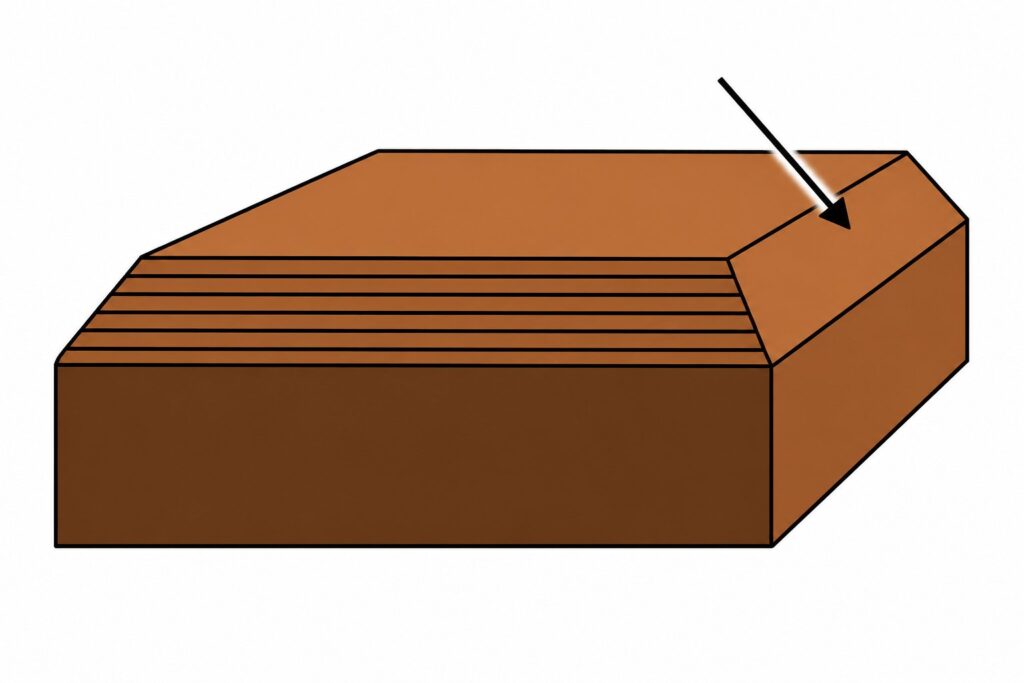
Bevel Cut (Maryam Webster)
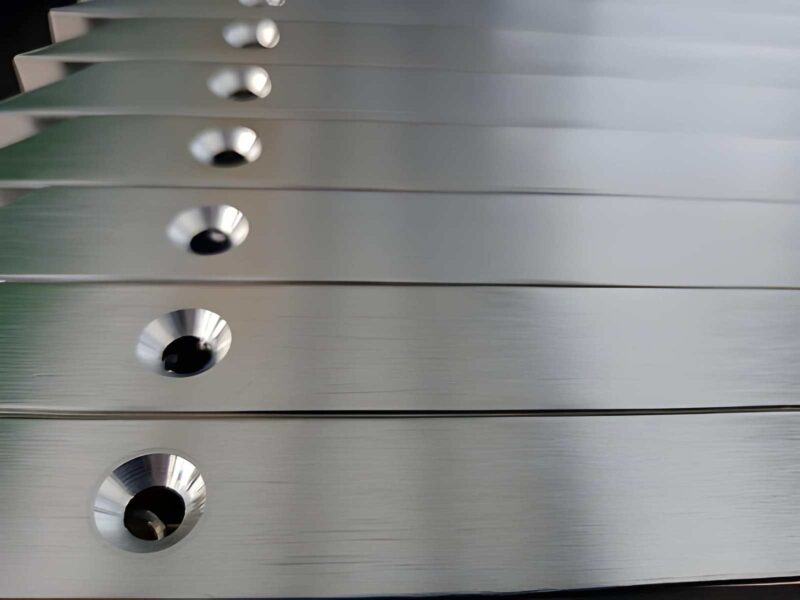
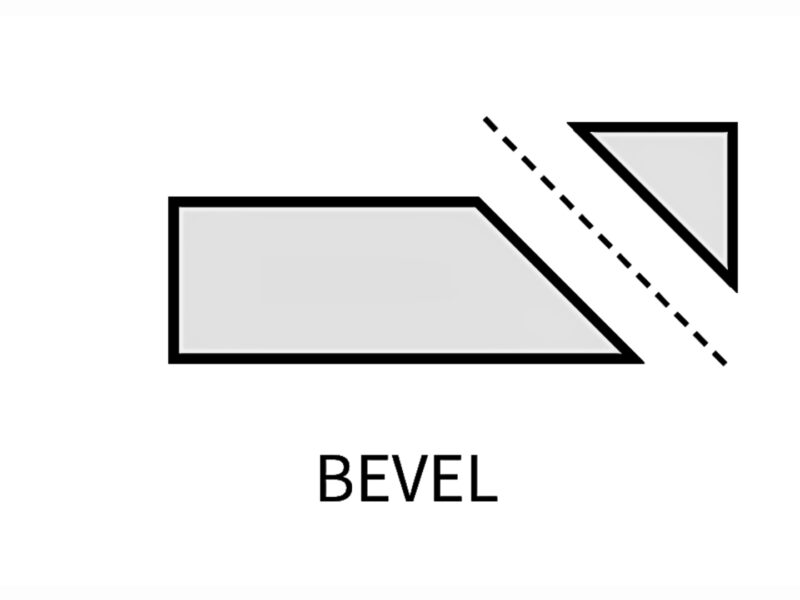
A beveled edge in CNC machining is an angled cut that replaces a sharp 90-degree corner. This angle is based on the part’s design, the material’s nature, and the need. The standard bevel angles are 30, 45, and 60 degrees, with different ones being created as needed. Metal brackets, plastic enclosures, and custom panels have beveled edges.
They are not the same as chamfers and fillets. A chamfer is a small flat cut, usually at 45 degrees. A fillet forms a rounded-off transition between surfaces. Beveled edges are broader, inclined, and are made to provide strength, fit, or welding requirements as opposed to basic deburring.
Types of Bevels Used in CNC Machining:
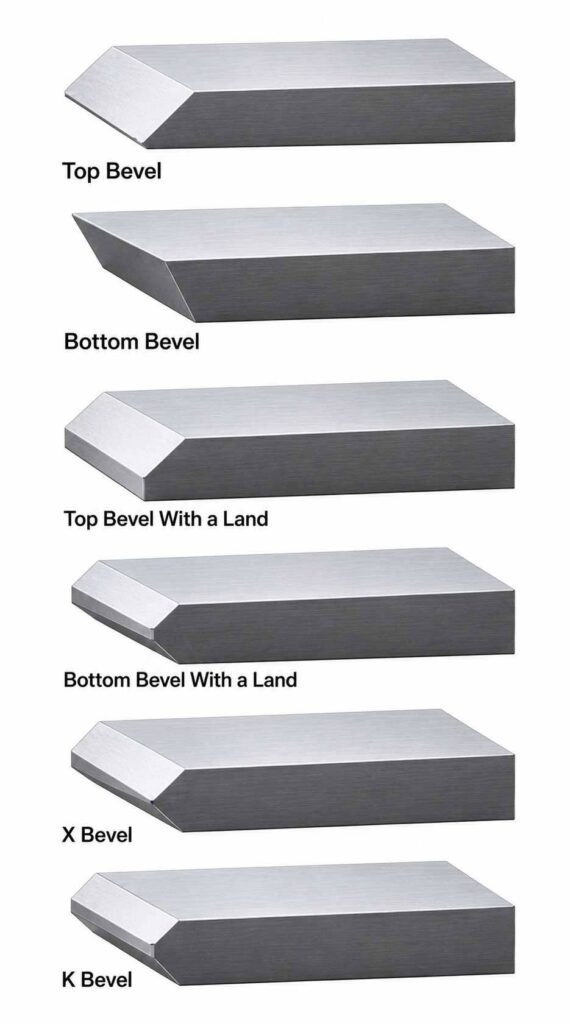
Bevel Types (Reference – The Fabricator)
The nature of the beveled edge is a direct factor of weld strength, access to the joint, and long-term performance. Selecting the appropriate bevel assists in managing stress, increasing penetration, and minimizing all welding defects. There are different purposes for each bevel depending on the access, load, and material thickness.
- In a straight bevel, there is only one angle along the edge. It is effective in standard fabrication and structural welding. This bevel is simple to machine and allows clean, uniform welds. It is commonly used by fabricators in frames, brackets, and general metal components.
- A double bevel creates a V-shaped groove on each side of the material. It applies to the joints where both sides are open during welding. This construction enables more penetration and equal heat input. It is typical in massive buildings where the strength and integrity of the welds are important.
- The single bevel has an angled cut on the side only. It is a bevel that fits into small places of access. It minimizes the amount of material removed and, at the same time, gives enough groove to make strong welds.
- A knife-edge bevel creates a very sharp, narrow edge and is not used for welding. Rather, it advocates accuracy, cutting, and performance-oriented designs. This profile is commonly needed in aerospace components and high-performance cutting tools.
- A compound bevel is a combination of two or more angles on one side. It aids in the control of complicated joint geometry and load paths. It is used by engineers to enhance the availability of a weld or alleviate stress concentration. This bevel is typical of custom and high-load applications.
- J-groove bevel has a curved edge. It enables a high level of penetration using a small amount of filler material. The design enhances the control and efficiency of the weld. J- groove bevels are common in pipe systems and pressure vessels.
How to Determine the Right Bevel Type?
Selecting the appropriate bevel for your parts does not take long to decide. The material used is also important, as hard metals such as stainless steel may require various approaches to beveling compared to soft metals such as aluminum.
The bevel angle is also dependent on the material thickness to be worked on, with a higher thickness usually necessitating greater angles to provide complete penetration of the weld. Lastly, the application requirements are important to consider, as in some industries, such as aerospace and oil and gas, bevel angles and edge preparation are highly demanded.
How does CNC Machining cut Beveled Edges?
CNC Bevel machining cuts through a controlled and repeatable system. The technique determined is based on bevel type, material, and complexity of parts. Feeding and programming of the machines means that the angles are correct and the edges are clean.
- Chamfer milling: It is used to cut angled ends, which are usually at 45 degrees. The feeds and depths vary depending on the material. The softer metals can be cut more quickly, and the harder ones require a lower speed to manage the heat and burrs.
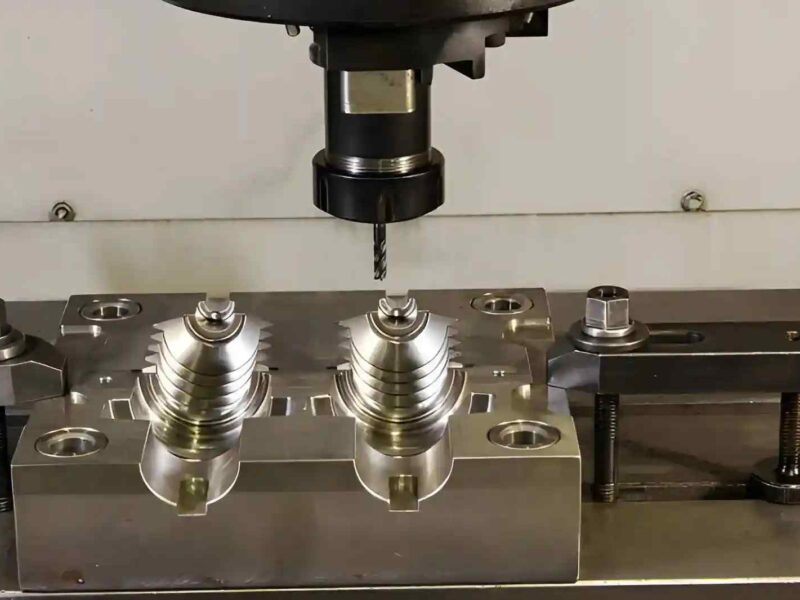
- Multi-axis milling: It helps in bevel cutting CNC geometry. Four-axis and five-axis machines are used to cut compound and double bevels. This method will enhance accuracy and minimize errors during handling. It is generally applied in aerospace components and precision housings.
- Tilted spindle end milling: It provides a straightforward way to create simple bevels using standard machining equipment. Tilting of the spindle to the needed angle occurs. This technique is the most effective with shallow and single bevels. Clamping and positioning are important to ensure the quality of edges.
- Surface finishes control: Angled tools are easy to form flat bevels. Radius tools or multi-axis motion are required to make curved edges and fillets. Finished surfaces cause less stress and result in a good fit.
Optimizing Material Selection and Geometric Precision for Beveled Edges
The material response is different in the course of bevel machining. Stainless steel and aluminum yield clean bevels, though they usually require deburring. Acrylic and polycarbonate plastics are capable of melting or chipping when cutting settings are not followed.
Bevel accuracy is also influenced by vibration and heat imbalance. Heat accumulation causes dimensional alterations in machining. The bevel angle can be distorted by machine vibration or non-calibration. The problems affect the fit of parts and surface appearance.
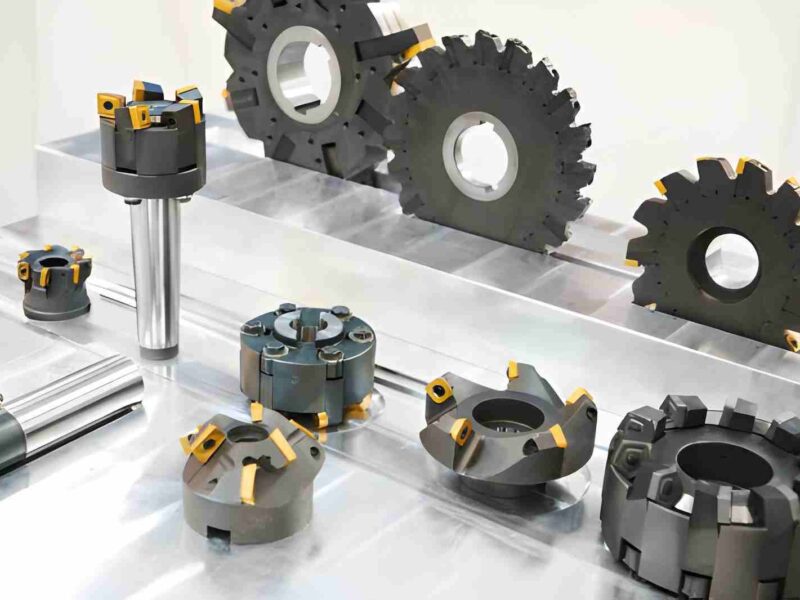
The choice of tools is very important for the quality of the bevel. Carbide tools are appropriate for hard materials and long production runs. High-speed steel is suitable for soft materials. To provide consistency in the results, the tool angle should correspond to the bevel design.
Where Beveled Edges and Cuts Are Most Essential?
Beveled edges are commonly employed in enclosures, brackets, and panels. They enhance part clearance and handling security. These edges also eliminate acute edges during assembly and installation.
Structural steel pieces are based on beveled edges that provide high-strength joints in welding. Bevels are used in beams, columns, and frames in order to obtain appropriate weld penetration.
Beveled edges to precision-machined parts are frequently needed to accurately assemble the parts. They are applied to aerospace and automotive parts to achieve performance and stress reduction. Bevels are also advantageous in the high-load and stress parts of heavy equipment.
Bevel edge machining is used in numerous industries outside of metal fabrication. Medical equipment utilizes beveled housings made of plastic to be easy to clean and handle. Electronics that allow bevels include electronics with small, molded enclosures and a sleek appearance. Bevels are also used in furniture and interior panels, both for a functional purpose and to look good.
Bevel VS Chamfer: How They Differ?
Chamfered and beveled edges resemble each other, yet they are used differently. A beveled edge is a run along an edge of full length and may have numerous angles. Bevels are designed to facilitate assembly, help to relieve stress on corners, and set parts in a welding position. They are also useful in controlling the flow of loads or fluids on a surface.
A chamfer is a cut, a flat cut that cuts off a sharp corner. It is cut mostly at 45 degrees. Chamfers enhance safety in handling and assist parts to fit in the assembly process. They are normally shallow and subtle compared to bevels.
The key distinction is in the operations and versatility. Bevels are available in different sizes and angles to suit the requirements of the structure or performance. Chamfers are oriented towards edge relief and fit possibility instead of control of load.
What is the Difference between Bevel vs Fillet?
A rounded corner is called a fillet. It is a smooth, curved edge added to a part to remove sharp corners. Fillets are also used to spread the stress more widely, unlike bevels, which form angled transitions. This minimizes the chances of cracking or fatigue of parts that are under high load.
Bevels can be machined on flat surfaces with standard angled cutting tools and with less difficulty. Fillets involve the use of radius machines or multi-axis machines to come up with a smooth, curved edge.
Angled edges can be used where you want, and with a bevel. Select a fillet in cases where the structural strength and stress relief are of importance.
Comparing Chamfer Vs Fillet Vs Bevel
This table provides a comparative analysis of chamfer, fillet, and bevel.
| Factors | Chamfer | Fillet | Bevel |
| Typical uses | edge protection,
Assembly easement |
fatigue reduction, Stress relief | load transfer, Assembly fit, aesthetics |
| Complexion in Machining | Low | High | Medium |
| Material suitability | Metals, plastics | Metals, plastics | Metals, plastics |
| Machining Methods | Chamfer mill, angled cut | Radius cutter, ball end mill | Chamfer mill, multi-axis, tilting head |
| Edge Shape | Straight cut corner | Rounded corner | Angled edge |
What are the Benefits of Bevel Edge in CNC Machining?
Bevels have a number of practical benefits in CNC machining design. Minimize stress through the elimination of sharp corners to reduce wear and damage. Beveled edges are also easy to assemble, whereby parts fit and assemble with ease.
Welds in the welding industry promote enhanced penetration and tougher joints, which enhance the quality of welding. They also increase the life of parts and improve the functionality.
Bevels enhance safety by cutting off sharp edges, thus decreasing the chances of injury or damage when handling. Bevels are used in consumer products, particularly in injection-molded components, to form a clean junction between the mating parts. This conceals flaws and gives clean, sharp edges instead of the jagged lines of parts.
Conclusion:
Beveled edges CNC machining strengthens parts, improves fits, and makes them safe. They come up with angled transitions that lower tension, make assembly easier, and increase the standard of the weld. The types of bevels employed vary with different materials, designs, and uses, including metal fabrication and plastics. Concrete tooling, machine preparation, and surface finish are important to obtain accurate results. Bevels are more functional and aesthetic as compared to chamfer and fillets. They are available in all types of industries, such as aerospace, automotive, medical devices, and consumer products, as they offer durable, safe, and visually clean edges.
Enhance your parts with precision CNC-machined beveled edges through Premium Parts. We deliver strong, safe, and perfectly fitting components with accurately angled transitions that reduce stress and improve weld quality.
Our team handles all bevel types for metals, plastics, and custom designs, ensuring consistent, high-quality results. From aerospace to consumer products, we provide durable, safe, and visually clean edges. Choose our CNC beveling services to boost part performance, assembly, and appearance with precision you can trust.
FAQ’s
What is a beveled edge?
A beveled edge is a slanted surface that connects two surfaces at an angle, usually between 25 and 45 degrees, rather than a sharp 90-degree angle.
Are bevel and chamfer similar in CNC machining?
A bevel is not the same as a chamfer in CNC machining. A bevel is a larger angled edge used for structural or functional purposes. A chamfer is usually a small 45° cut that removes sharp corners and helps parts fit together more easily.
What are the reasons behind wrong bevel edges?
Beveled edges can come out wrong due to tool setup, CAD/CAM programming, or incorrect feed speeds. Even small mistakes during setup can lead to inconsistent angles and uneven bevels.