Many plastic components are designed with complex features, lightweight structures, and strict dimensional requirements. While plastics are often easier to machine than metals, they bring a different set of manufacturing challenges. Materials can deform under cutting pressure, absorb moisture, generate excess heat, or lose dimensional accuracy if the machining process is not properly controlled.
The success of a CNC plastic part depends on more than just the machine itself. Material selection, tool geometry, cutting parameters, and part design all influence the final result. Small mistakes can lead to poor surface finish, warped features, or parts that do not fit as intended during assembly.
This article looks at the practical side of CNC plastic machining, including common production challenges, material considerations, and machining practices that help manufacturers produce accurate and consistent plastic components.
What Is CNC Plastic Machining?
CNC plastic machining turns raw plastics into precise, engineered parts. The process uses computer control to guide cutting tools with accuracy. It gives you consistent results for prototypes, testing, and production needs.
Process Steps
- The process starts with a CAD model that represents your part geometry. This file contains the sizes, features, tolerances, and other details.
- The CAD model is open in CAM software to extend the tool paths. Tool paths provide the machine with centimeter-to-centimeter motion for cutting.
- You chose a suitable plastic material for strength, heat, or chemical resistance. Materials are most commonly ABS, PEEK, nylon, and acrylic.
- The plastic block is secured to the machine bed. The tool is located as per the pre-determined programmed specifications for cutting.
- The CNC machine removes material through cutting, drilling, and milling operations to produce the required geometry from the CAD design. Each feature is machined according to the programmed toolpath and specified dimensions.
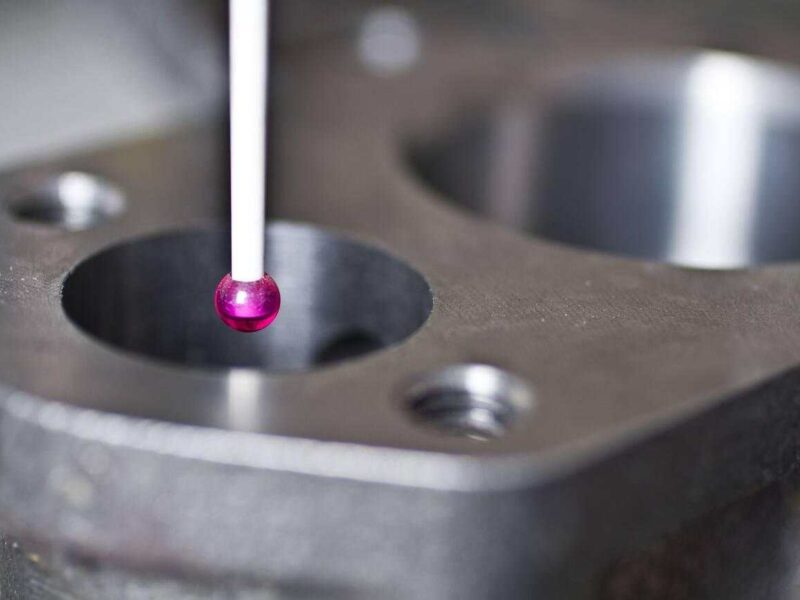
- After machining, burrs are removed from holes and edges, and any required surface finishing processes are applied. The completed part is then inspected to verify dimensions, surface quality, and specification requirements before delivery.
Why Go for Plastics in CNC Machining?
Plastics are more flexible than metals in some cases. They are lightweight, cheap, and work well in a lot of different situations. Many plastics allow engineers to create lightweight components without sacrificing functionality or manufacturability.
Weight Benefits
Plastics are lighter than metals, but they are still strong. This makes them good for parts in cars, planes, and medical equipment. You can cut down masses without losing functionality or dependability.
Cost Effectiveness
Compared to many metal alloys, plastics are generally easier to machine. They place less stress on cutting tools, generate lower cutting forces, and often require shorter machining cycles. This can help reduce manufacturing costs and speed up part production.
Chemicals and heat resistance
Most engineered plastics can withstand heat, moisture, and strong chemicals. This means they can be used in tough places or when they come into contact with liquids. You can trust them in places where metals rust or break down.
Design Flexibility
Plastics can make shapes that metals can’t. It’s easier to machine thin walls, fine details, and complicated shapes. This flexibility lets you come up with new ideas without limits.
Insulation for electricity
Plastics are naturally good at insulating electricity. They are good for electronics, connectors, and control boxes. This quality makes things safer where conductivity could be a problem.
Noise and Vibration Control
Plastics soak up vibrations and make less noise while fabricating. You can use them in machines that need to run quietly. It can be perfect for moving parts and precision tools.
Corrosion Resistance
Plastics don’t rust or oxidise over time as metals do. They work well in outdoor settings and chemical plants. You get parts that last longer.
Ease of Machining
Cutting plastic is easier than cutting most metals, which makes machines work less and makes it easier to shape complex things. You get very precise results with very little effort.
Techniques Useful for Plastic Machining
When machining plastics, you need to be very careful, specifically regarding methods, each of which deals with a different problem, such as warping, surface flaws, or tool wear. Using the right method ensures that manufactured parts are of exceptional quality.
CNC milling
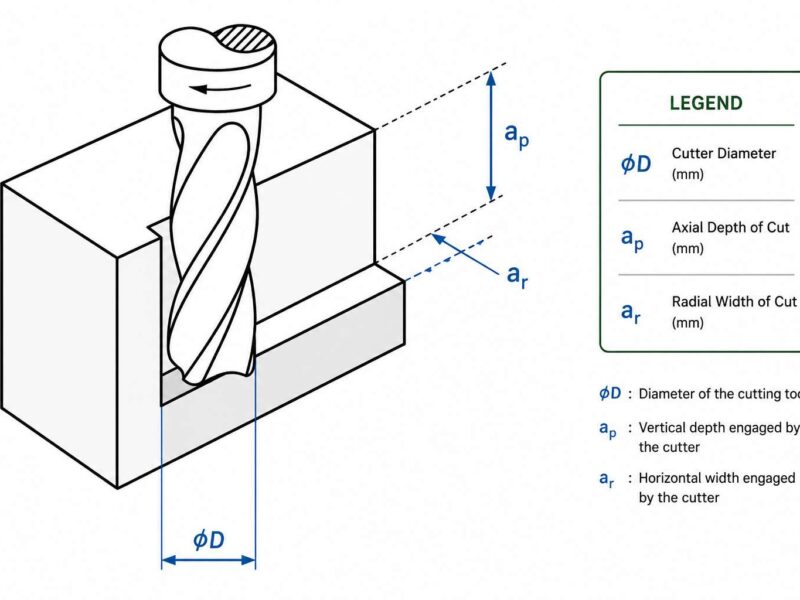
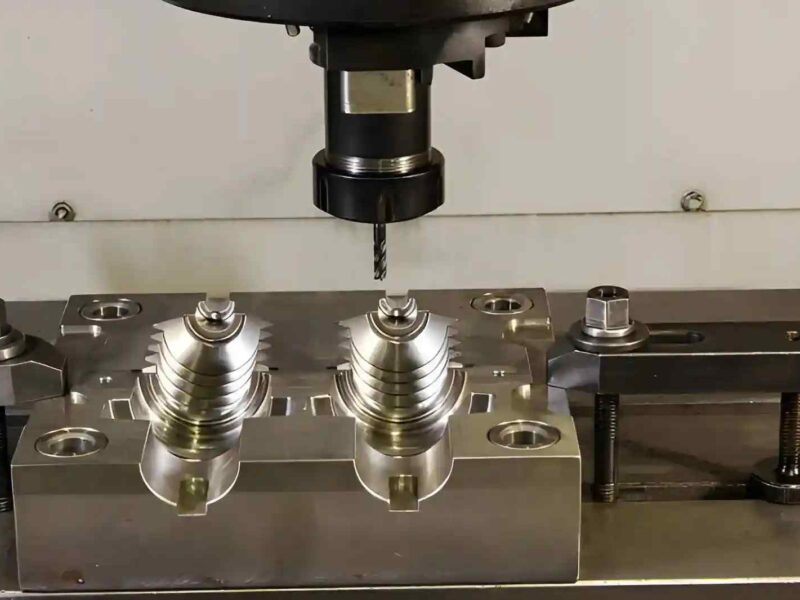
With CNC milling, tools spin quickly and remove material. It stops build up stress, which makes thin-walled parts less likely to crack. You can change the feed rates and spindle speed to keep things from melting or changing shape. Milling also lets you make pockets, slots, and complicated shapes.
CNC Turning
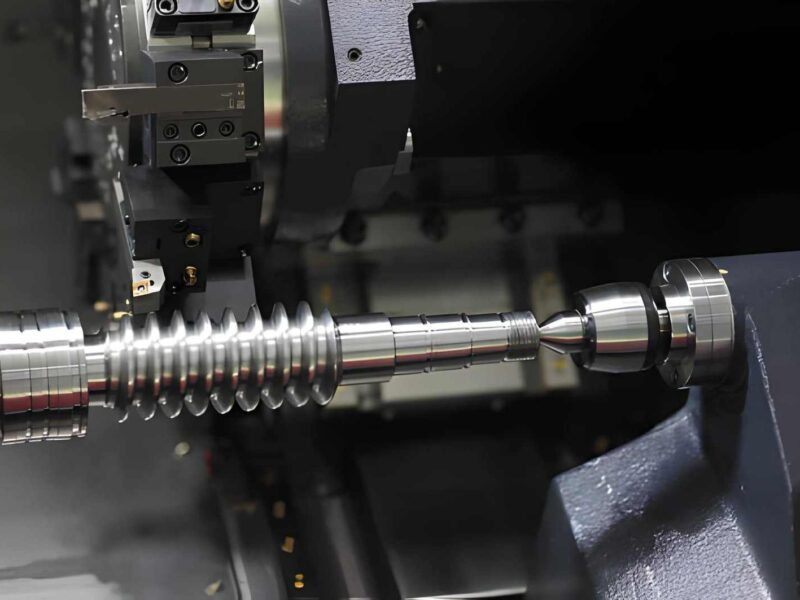
During CNC turning, you shape plastics by moving the workpiece against a cutting tool. It keeps the uniform diameter and stops chatter marks. Turning is the best way to make bushings, rods, and cylindrical parts. It ensures that the finishes are smooth and the tolerances are exact. Choosing the right tools keeps parts from warping by preventing heat from building up.
CNC Drilling
Drilling makes exact holes without breaking the material. You can stop brittle plastics from cracking by changing the drill speed and using sharp bits. Depth control makes sure that holes are the right size, and doing multiple passes puts less stress on the workpiece.
Routing and carving
Routing lets you make complicated cut-outs and detailed engravings without making the part weaker. Controlled feed and spindle speeds stop chips from building up and surface burning. You can make complicated panels or housings without losing their strength.
Surface Finishing
Polishing, sanding, and annealing make parts last longer and lower stress. These methods get rid of the micro-cracks and rough edges that cutting leaves behind. Finishing also makes things clearer, stops warping, and gets parts ready for assembly.
Laser Cutting
Laser cutting can make parts with little mechanical stress. It stops tool marks and allows you to quickly shape thin sheets. You can avoid melting and chipping edges by optimising power and speed.
Ultrasonic Machining
Ultrasonic machining works best on plastics that are hard or brittle. It removes material gently by using vibration and an abrasive slurry. This keeps things from cracking and lets tiny details show up in fragile parts.
Waterjet Cutting
Waterjet cutting cuts plastics without using heat, which keeps them from warping. It works well with thicker sheets or profiles that are hard to understand. You keep the right dimensions and avoid residual stresses that can bend parts.
Types of Plastics Used in CNC Machining
Choosing the right plastic is essential for function and longevity. Each plastic type has certain inherent properties that make it suitable for certain applications. The selected plastic will then dictate the design specifications and any conditions of use.
ABS (Acrylonitrile Butadiene Styrene)
ABS is strong, lightweight, and easily machinable. ABS offers an excellent impact strength, making it appropriate for housing, enclosures, and prototyping. Dimensional stability offers repeatability for high-tolerance parts.
PEEK (polyether ether ketone)
PEEK has excellent elevated temperature and chemical resistance. It is employed in aerospace, medical, and industrial applications. PEEK can be used for applications where metals may be attacked or are subject to stress.
Nylon (polyamide):
Nylon offers the best toughness and wear properties. It is used for gears, bearings, and mechanical components. Moisture control is essential for dimensional stability.
Acrylic (PMMA)
Acrylic is an effective cost material because of its lower weight, optical clarity, and surfacing ability. Acrylic is used for display purposes, panels, and lenses. With proper machining, acrylic provides the smoothest surface with optical properties.
Polycarbonate (PC)
Polycarbonate is known for its high impact resistance and toughness. It is commonly used for safety shields, protective covers, and engineering components that must withstand mechanical stress without cracking.
Delrin (Acetal)
Delrin has a low coefficient of friction, is rigid, and has excellent dimensional stability. It is commonly used for precision gears, bearings, bushings, and sliding components.
HDPE (high-density polyethylene)
HDPE is very tough, chemical-resistant, and lightweight. It is used for bottles, tubing, and industrial parts applications. HDPE does not break under stress and can withstand most chemical solvents.
PVC (polyvinyl chloride)
PVC is flexible, economical, and used for pipes, panels, and industrial components. Rigid PVC has exceptionally high tensile and chemical resistance when subjected to aggressive chemical conditions.
How to Choose the Right Plastic for Your CNC Machining Projects
Each plastic reacts differently under load, temperature, and chemical exposure. Therefore, fitting the plastic properties to the project will ensure that the product will perform properly and efficiently.
Know Your Application
In order to choose the correct plastic, it is important to know the application of the plastic part. What are the mechanical load, wear, and flex/deflection requirements? For an application that switches or moves a component, nylon or Delrin would work well.
Consider the Environmental Conditions
Plastics react differently to temperature, chemical exposure, and moisture. PEEK will perform in high temperatures with very little chemical exposure, and barrier and HDPE are compatible with all solvents. For moisture-sensitive products, nylon could swell a little, but have dimensional stability.
Evaluate the Mechanical Properties
Consider the force, tension strength, impact, and harness. Applications that require high surface tensions require tough plastics and low creep. Applications that involve low load or are just cosmetic could use cheap, softer, pliable plastics.
Consider the Machineability
The machineability of each plastic differs from that of others. Acrylics and ABS machines work better on most sizes/cuts. PEEK requires sharper tooling and slower feeds. Machineability also helps with surface finish, cycle time, and tool wear.
Cost vs. performance
High-performance plastics such as PEEK and polycarbonate typically cost more than standard engineering plastics. However, they offer properties that are often required for demanding applications. Materials such as ABS and HDPE provide a more economical option for general-purpose components.
Material selection should be based on the part’s performance requirements, operating environment, and project budget rather than cost alone.
Testing and Prototyping
Prototype machining allows engineers to evaluate part fit, function, and performance before moving to full production. Testing helps verify that the selected plastic can withstand the expected loads, temperatures, wear conditions, and operating environment. Identifying issues at the prototype stage is often less costly than making design changes after production has begun.
Design Considerations for CNC Plastic Parts
Designing CNC plastic components with guide protocols and implementation will help with accurate parts, strength, and dependability. Bad designs will introduce warping, cracking, and/or failure of parts themselves. Working through geometry, materials, and machining constraints will avoid parts failure.
Wall Thickness
Controlling the wall thickness of the parts will prevent issues of warping and sink marks. The recommended wall thickness varies by plastic material.
For example, ABS and Nylon parts are typically designed with wall thicknesses between 2 mm and 10 mm. Staying within this range helps reduce the risk of cracking in thin sections while minimizing warping and sink marks in thicker areas.
Tolerances
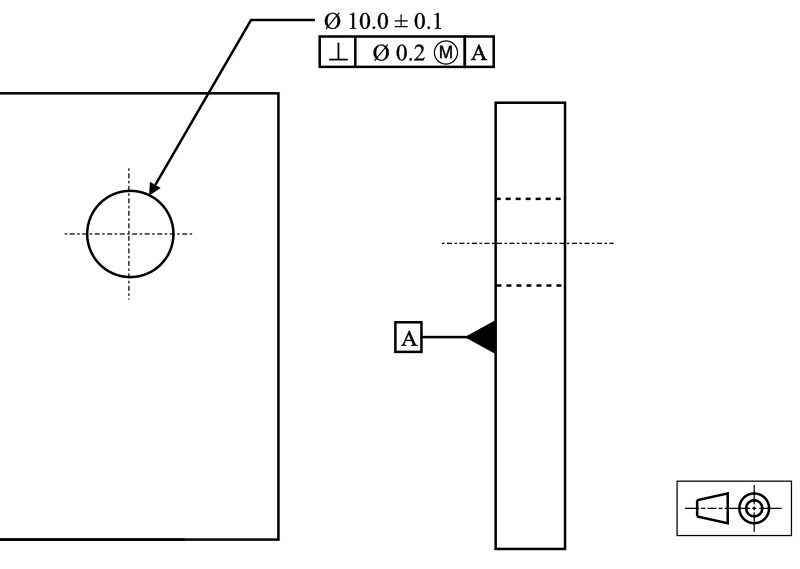
Standard tolerances for CNC plastics are about +/- 0.1mm. Tight tolerances with CNC plastics require longer machining time. High precision products +/- 0.05mm. Always take into account the shrinkage after machining. For PEEK, shrinkage may be 0.20-0.50% at the end of the process.
Draft Angles
Draft angles should be included in areas where vertical surfaces, like walls, are present to enable easy removal of the part. The standard draft angle is typically between 1° and 3°. Even a small draft angle or slight cutback helps prevent the part from scraping against the tool and reduces tool marks on the finished surface.
Part Features
Construct part features, like holes, with the focus on no sharp intersections to eliminate cracking. Maintain a minimum distance of 3mm from holes, slots, or thin ribs. A minimum offset value of 1.5 times the diameter from holes or outside edges of the part.
Surface Finish
Functional style parts could be made using surface finished Ra 1-2 μm, etc. Proper finishing avoids abhorrent post-processes as well as improves the mechanical aesthetics of the CNC plastic part.
Smooth Corners
Fillet radii help create non-sharp corners. Internal corners also need to have a fillet with at least a 0.5 -1 mm radius, depending on the wall thickness, to mitigate stress and reduce cracking. Avoid plastics or at least ones with brittle properties like PEEK plastic, and/or Delrin plastic.
Material Behavior
Thermal expansion should be part of the tolerance or fit form.
- PEEK 50 ppm/°C
- ABS ~90 ppm/ °C
- Moisture absorption in nylon (~2% by weight) can affect measurement.
Selecting plastics based on temperature, chemical exposure history, load history, etc., is relevant and must be confirmed for parts.
Machining Limitations
Tooling matters; plastic tooling should be sharp and carbide-coated. RPM at which spindles turn varies for different plastics, like ABS 15,000-20,000 RPM, PEEK 12,000-15,000 RPM, etc. Feed rates are also related to rigid plastics, like nylon 1,000-3,000 mm/min, acrylic 500-1,000 mm/min, etc. Overheating the material during machining can cause melting, dissipation, or deformation of the part.
Common Challenges in CNC Plastic Machining
Machining plastics can present unique challenges that impact the quality, precision, and productivity of your process. Being aware of some of these challenges allows you to avoid costly mistakes and minimize scrap. Here are some of the more common challenges to consider:
Warping and Deformation
Plastics can warp when they expand and contract due to heat. If a part is machined at excessively high spindle speeds or at a high feed rate, a part may even melt or alter its shape and properties. Controlling heat, providing appropriate feed rates, and having a uniform wall thickness will help reduce the dimensional changes from heat.
Cracking and Chipping
Brittle plastics such as acrylic and PEEK are at risk of cracking when they are stressed. Sharp corners, thin wall thickness, and improper tooling increase the risk of cracking. Fillets, the proper tool geometry, and slow feed rates will help avoid cracks.
Surface Defects
Surface defects such as melt marks, chatter lines, or rough surfaces can also occur when machining plastics. This is due to the spindle speed being too high, the tool being dull, or the part being clamped incorrectly. Adjusting your cutting parameters and polishing smaller parts will help mitigate rough surfaces.
Dimensional Inaccuracy
Plastics have a higher coefficient of thermal expansion than metals, so tolerance levels may be affected. Moisture absorption or swelling in nylon, ABS, and similar materials can change dimensional accuracy. You should account for this in your CAD filing and measure your parts to ensure they are accurate before machining.
Tool Wear and Breakage
Hard plastic materials can wear out your cutting tool quickly. Misapplication of tooling or high-speed machining increases wear on the tool. Using carbide tooling and suitable feed rates will prolong the tool life, as well as maintain your accuracy.
Chip Removal and Build-Up
Soft plastic materials can create long chips, which wrap around your tooling. This can cause inaccurate tool cutting and will affect the surface finish. Using compressed air, coolant, or chip breakers is a potential solution for the removal of the material.
Stress Concentration
Sharp edges or close features create stress concentrators in a plastic part. This can result in early failure during service. Creating fillets, adding radii, and using adequate spacing eliminates stress concentrations throughout the part.
Material Limitations
Some plastics are unsuitable for high-load applications, extreme temperatures, or chemical exposure. Incorrect material will cause premature wear or deformation.
Get Started with Premium Plastic CNC Machining Services
Premium Parts delivers CNC plastic machining solutions that help engineers turn designs into precise, functional parts quickly. We specialise in prototypes, custom components, and small-batch production, making sure every piece meets your exact specifications. Our multi-axis CNC machines handle complex geometries, tight tolerances, and detailed features without compromising quality or repeatability.
We work with engineering-grade plastics such as ABS, PEEK, Nylon, Delrin, and Acrylic, selecting each material based on strength, heat resistance, and chemical performance.
You also get finishing options like polishing, tumbling, or surface texturing to prepare parts for testing or final use. With fast turnaround, consistent quality, and hands-on engineering support, we help you reduce development time and avoid production delays.