Electronics development is rapidly evolving, and long design cycles negatively affect new product launches. Mistakes in the later design phase increase both the cost and the risk associated with the product. Traditional PCB manufacturing slows down innovation and the ability to test and refine electronic products.
On that account, Rapid PCB prototyping resolves these issues by producing a physically representable design which can be quickly tested and refined prior to proceeding into full production.
Rapid prototyping supports numerous aspects of projects, including electronics, R&D, and new products. It provides the means to verify the performance of your design prior to scaling and thus improves your project’s success rate.
Premium Parts offers accurate and quick-turn PCB fabrication with an extremely fast turnaround time. We have a flexible process that allows us to accommodate rapid design changes and revisions.
What is Rapid PCB prototyping?
Rapid PCB prototyping reduces the amount of time spent in the pre-production phase of developing a product. It utilizes fast design and manufacturing techniques to produce a PCB that meets all of the required specifications.
Teams working with this in-house PCB prototyping are able to strike a balance between process speed and the level of detail in their designs. As such, engineering, layout, and manufacturing collaborate together, which eliminates the delays that often occur when transitioning from design to production.
Methods of Rapid PCB prototyping:
Advanced methods in rapid PCB prototyping enable speed and accuracy.
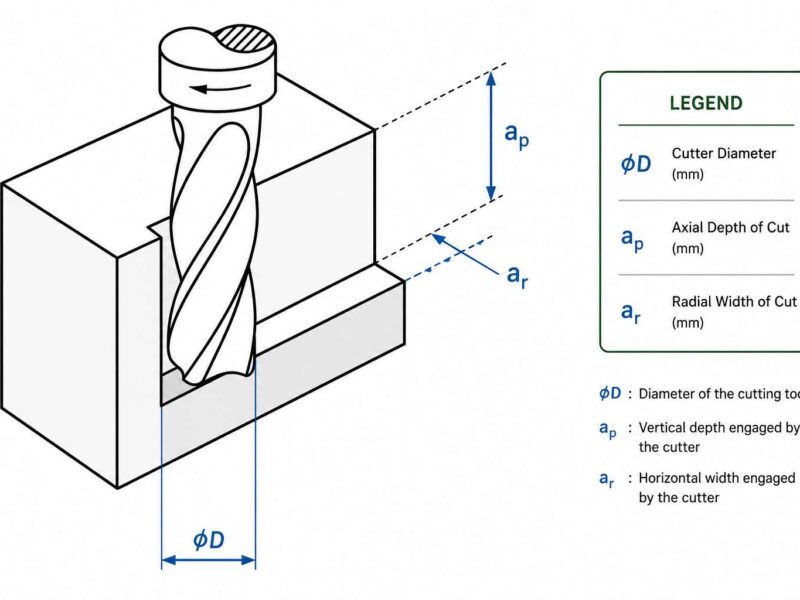
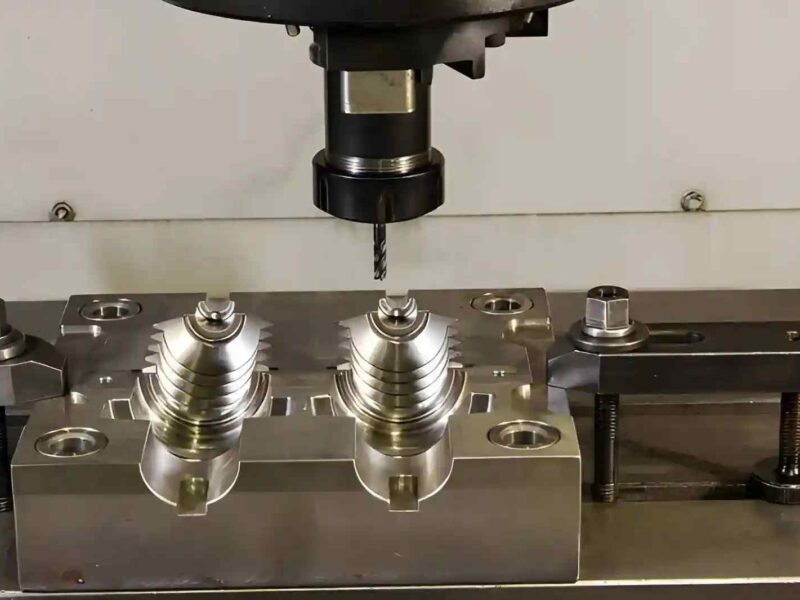
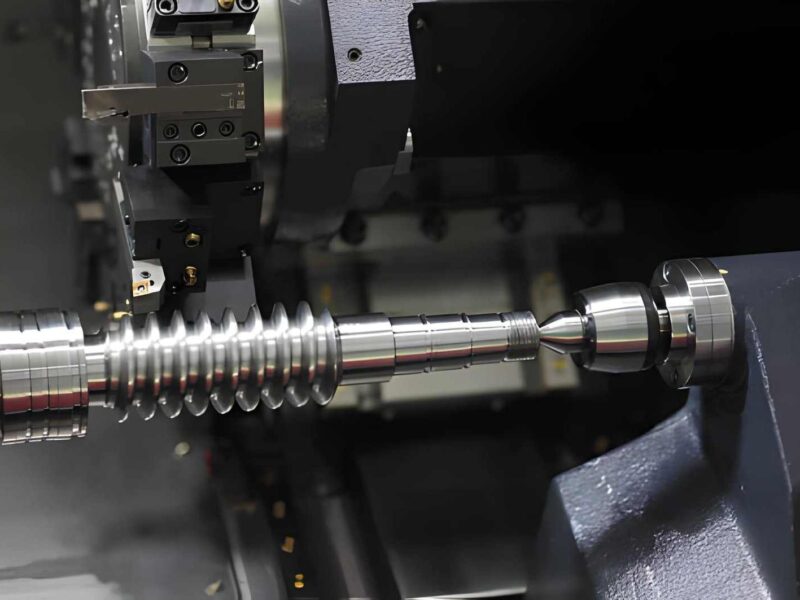
High-speed machining is one of the key methods employed for this prototyping. It uses a subtractive machining technique to remove material through precise milling and grinding.
High-temperature compressive molding practice also employs rapid PCB prototyping to create rigid, reliable PCB structures quickly.
Additive manufacturing also plays a significant role, and it involves 3D printing technology to create individual layers of a PCB using conductive materials. Copper-based filaments and conductive inks are commonly used to create circuit paths. Inkjet printing supports simple, two-dimensional layouts. Through this methodology, you can minimize material usage and reduce waste and cost.
Digital technologies cover direct imaging and laser plotting that eliminate film tooling and improve turnaround time. They improve the accuracy of the manufacturing process and reduce setup time.
Automated component sourcing also increases the availability of raw materials needed for manufacturing.
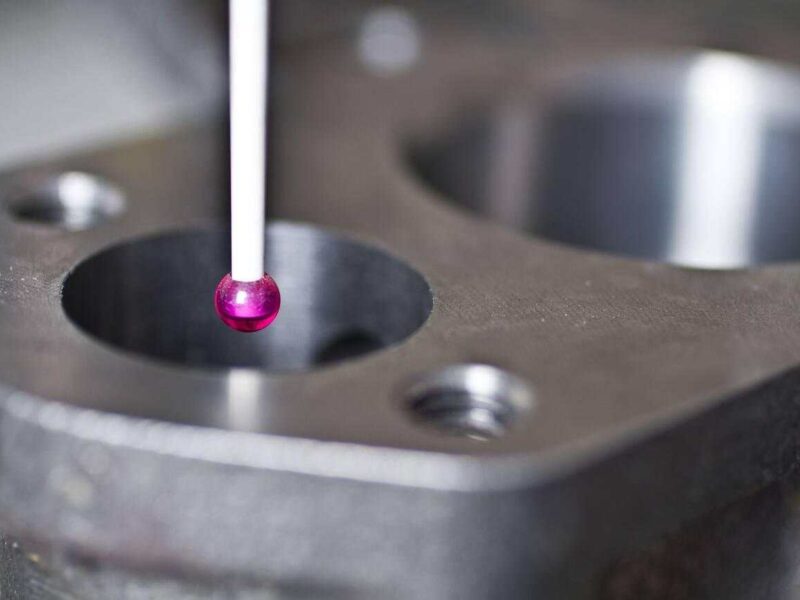
High-speed pick-and-place equipment also enables rapid assembly of PCBs. Automated inspection and testing occur simultaneously with manufacturing, ensuring that products meet quality standards and do not delay delivery.
Systematic Workflow:
Establishing a systematic workflow is a prerequisite for effective rapid PCB prototyping because it eliminates delays and errors. The process begins after the design is finalized. The final step in manufacturing review confirms that the design is production-ready.
- Teams should perform a manufacturability check before submitting files to be fabricated. Complete and accurate Gerber files are necessary. They should confirm that the layer stack-up, materials, and copper weight are suitable for the intended application of the design.
- The design check is another step that is critical to preventing common manufacturing issues. These mistakes are critical to reducing the possibility of rework and maximizing time savings.
- Component sourcing should be concurrent with fabricating PCBs. There should be a clear and comprehensive bill of materials, which entails component names, quantities, and references to avoid confusion. Using alternative components can help minimize delays resulting from supplier shortages.
- After the submission of the design file and raw materials, the order should be placed. The crew submits the design data and rapid prototyping PCB assembly information for a quote, and they agree on a turnaround time that depends on the complexity of the board.
- Fabrication follows the placement of orders. Direct imaging transfers the design onto the PCB media accurately. Drilling, plating, etching, and masking follow sequentially. A surface finish is applied to the PCB to protect it and facilitate soldering.
- Automated solder paste printers apply solder paste to the PCB. Pick-and-place machines place components on the PCB with precision. Reflow soldering bonds the components to the PCB with strong joints.
- Testing and delivery are the final stages of the process. Electrical testing verifies that there are no open circuits or shorts on the PCBs. Optional functional testing can be performed depending on the requirement. Completed prototypes are packaged securely and shipped promptly.
The rapid prototyping cycle is concluded successfully and efficiently.
Benefits of Rapid PCB Prototyping:
There are several benefits associated with using this prototyping during product development.
- One of the primary advantages of this prototyping method is its ability to improve resource utilization and reduce development time. The ability to quickly generate mock-ups of a design allows designers to make design file updates and revisions rapidly, thus smoothing the design improvement process. Companies that enter a competitive market quickly will likely establish themselves with a strong footing.
- Rapid prototyping also reduces labor and tooling costs. Moreover, early testing and validation of a design reduces the risk of costly mistakes occurring later in the design phase.
- Additionally, it supports rapid design iteration. Teams can rapidly test and evaluate multiple design iterations to ensure that the final product meets the design requirements. Also, the earlier in the design phase problems are identified, the less costly it will be to correct those problems and avoid production delays.
- It is a collaborative process that allows engineers to collaborate on reviewing and evaluating prototypes. This fosters a greater sense of teamwork and promotes a clear understanding among team members regarding what each member is trying to accomplish. Rapid prototyping encourages innovation and creative thinking.
All things considered, rapid PCB prototyping delivers better products faster and at lower costs.
Key Applications of Rapid PCB Prototyping
Electronic Rapid PCB prototyping has a wide variety of applications. However, it is most useful in those industries that require reliability and consistency. In these fields, early prototyping enables a team to validate their design before they go into full production. The earlier the prototype is validated by the team, the less likely there will be problems with the final product, thus reducing the overall risk associated with the project as well as the time needed to complete the project. The rapid prototyping examples embrace:
Automotive Industry – Smart Vehicle Systems
Smart vehicle systems are being powered by PCBs in the automotive industry. Safety controls, sensors, and temperature management are just some examples of the types of systems being developed using PCBs. The failure of any one system could affect vehicle performance. Prototyping PCBs will ensure that every PCB produced meets both functional and durability requirements before going into production.
Medical, Medical Device, and Biomedical PCBs
The PCBs are widely used in medical devices such as implants, imaging systems (MRI & CT Scanners), and laboratory equipment. The reliability and dependability required in this industry cannot be overstated. Engineers need to have the opportunity to test their designs and functionality prior to putting them into production. Additionally, rapid prototyping provides the ability to modify the design to meet specific medical safety requirements or performance specifications.
The outline is that rapid PCB prototyping provides greater confidence in your design. It provides the ability to test products faster and get a better sense of how to improve quality and plan production more smoothly. As a result, you can expect to see reliable products and development cycles that are more productive.
Prototyping Vs Rapid Prototyping
Prototyping is an essential part of product development; however, traditional methods are slow and expensive. Designers often used basic tools to develop proof-of-concept models, but functional or production-quality prototypes had to go through the same processes as finished products. Methods such as injection molding require expensive tooling and setup, making small or custom runs impractical.
Rapid Prototyping solves these challenges by turning ideas into realistic prototypes quickly. It allows us to create high-fidelity models that look and function like the final product. These prototypes can then go through validation and testing stages before mass production.
With Rapid Prototyping, designs can be created directly from CAD models. Engineers can test and revise their designs frequently based on real-world feedback. This speeds up development and reduces the risk of costly mistakes.
Conclusion
Rapid PCB prototyping transforms product development by providing a faster, more efficient, and cost-effective method than traditional methods. Unlike traditional methods, it allows teams to create realistic, functional prototypes directly from digital designs. This enables early testing, quick revisions, and validation before full-scale production, which reduces errors and development risks.
It supports better planning, collaboration, and overall project success across industries–from aerospace & medical to robotics, mechanical, civil engineering, and others. It helps engineers & designers innovate, solve problems, and bring high-quality products to market more quickly. By turning ideas into testable models, Rapid Prototyping provides a valuable resource to product developers.
Premium Parts provides prototyping services that help you test, refine, and validate designs before full production. Our fast and flexible process supports design changes, early testing, and reliable performance checks. Our facility embodies integrated state-of-the-art rapid PCB prototyping machines, advanced digital imaging, and a competitive team of professionals who can transform your concept into production with confidence.
So, connect with us to become proficient in Rapid PCB prototyping with us and get an instant quote.