What is a CNC Lathe?
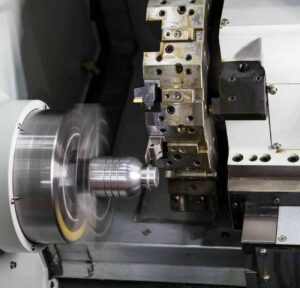 CNC Lathing machine cutting workpiece
Contrary to manual lathes, in which the movements have to be under the control of the operator, a CNC lathe uses pre-programmed instructions to perform cutting, drilling, and threading, among other operations, very accurately.
Such automation helps manufacturers in producing parts with complex geometries and with high precision and repeatability. CNC lathes can process a range of materials, including metals, plastics, and composites, and manufacture cylindrical bodies of parts, i.e., shafts, bolts, and gears.
CNC Lathe Operations
A CNC Lathe machine can carry out a great deal of machining work. The workpiece is shaped, cut, and finished as per the given dimensions and limits (tolerances).
Now, it is high time to scrutinize some of the common operations that are performed using CNC lathes.
Cutting
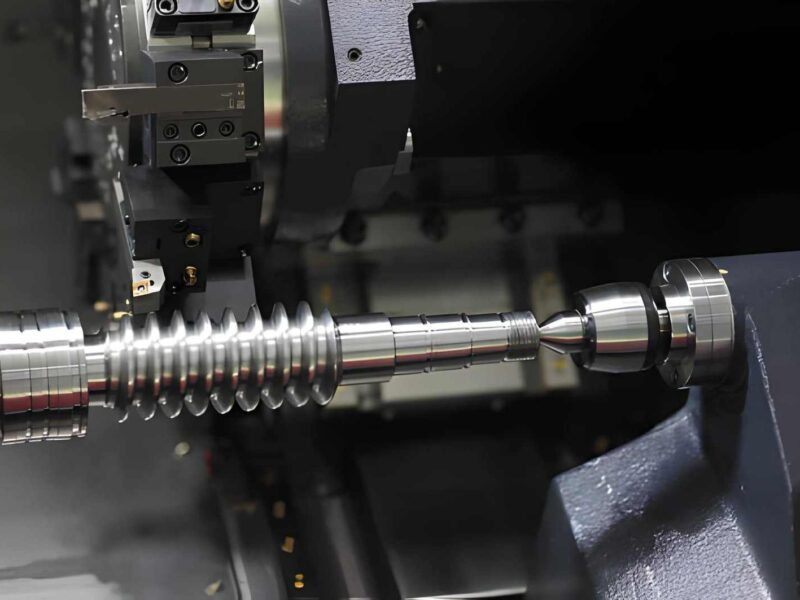
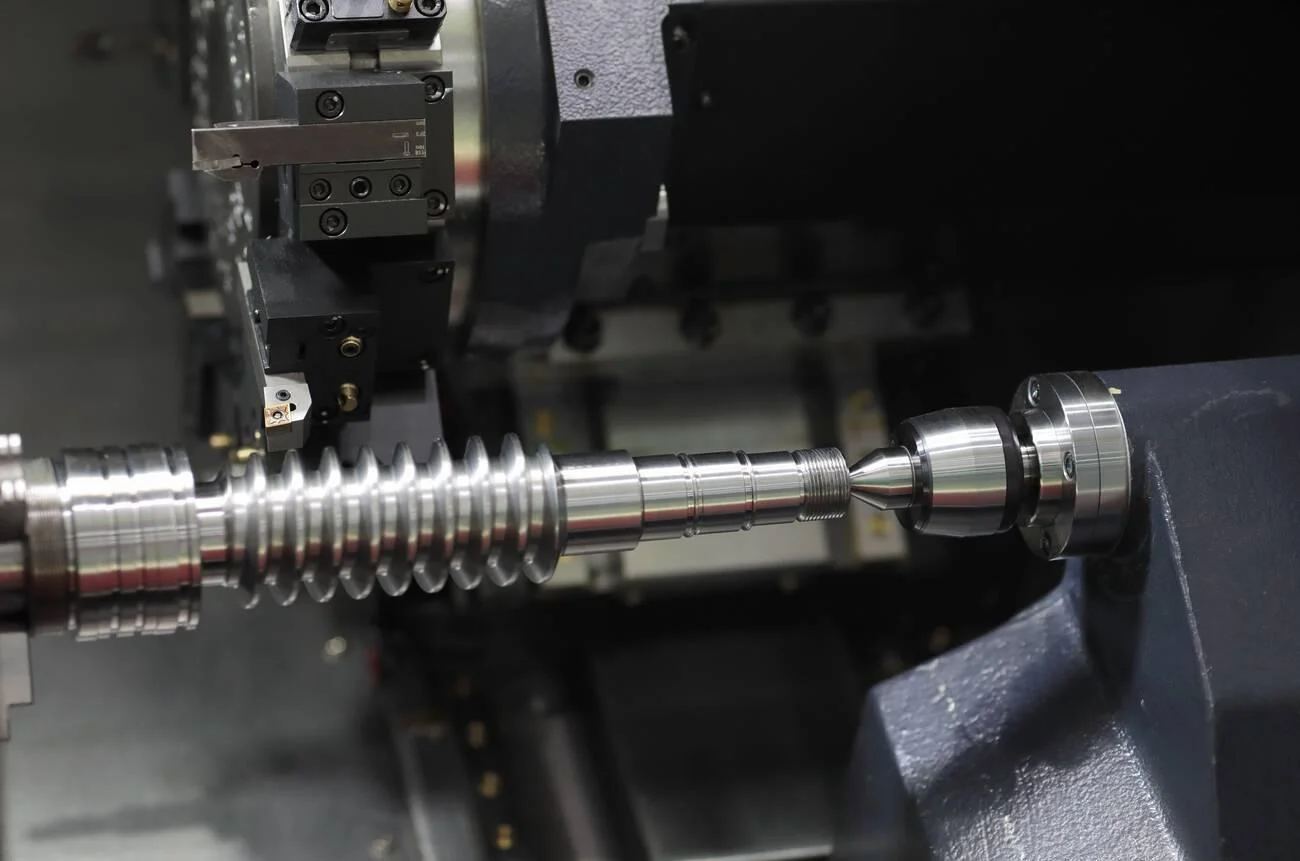 Worm shaft cutting process on a CNC turret lathe machine close-up
Cutting is the primary function of any lathe. In a lathe operation, the workpiece is clamped to a rotating spindle, and a stationary cutting tool removes material. The cutting tool moves in various directions, and this allows the workpiece to be scribed in any direction. Moreover, CNC lathes handle the rough cuts efficiently. They remove large amounts of material in very little time.
Facing
Grooving
Grooving is a part of cutting. It creates grooves or channels on a workpiece. Some of the common applications include grooved joints, seals, or fitments. A CNC lathe is capable of grooving to the required depth, width, and position on the workpiece.
Threading
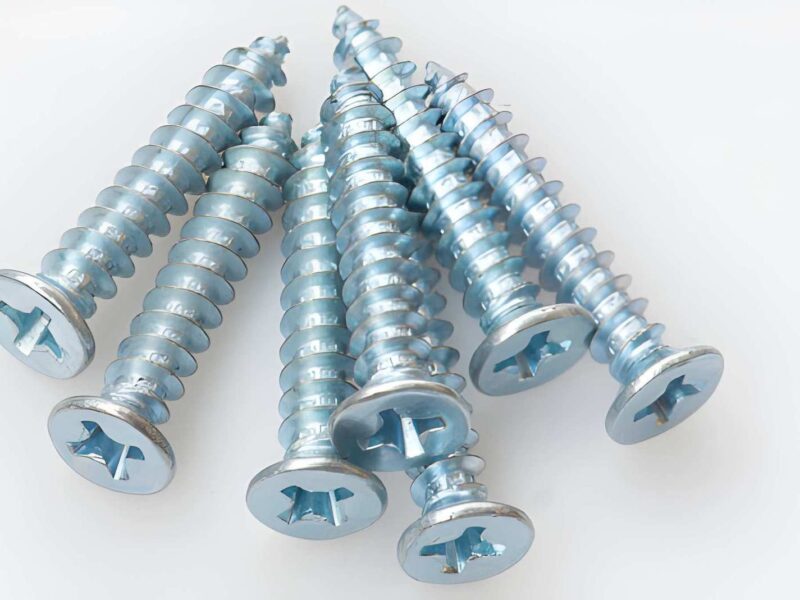
Threading is the process of forming helical grooves on a workpiece surface. It allows manufacturers to secure mating with a corresponding bolt, nut, or threaded component. CNC lathes can generate both internal and external threads with high precision. They ensure a consistent thread pitch and alignment across the entire part.
Drilling
Drilling refers to making holes in a workpiece through the application of a rotating drill. On CNC lathes, it can be done at the required position within the workpiece. The diameter of the holes and depth can change according to necessity. This CNC programming also makes it possible to place the drilling bit at the precise position so that the holes are drilled in the right manner.
Knurling
Knurling is a surface-based texturing operation. It is mostly applied to the cylindrical part. It’s often used to add texture to parts like handles or knobs, where a better grip or feel is needed. A CNC lathe has the capability of creating quality knurling patterns where the depth and spacing can be precise.
How Does a CNC Lathe Work?
Understanding how a CNC lathe works is important to get to know the function of its parts. A computer program controls the CNC lathe. It is typically written in G-code. It gives detailed instructions for every movement of the machine. Here’s how a CNC lathe works:
Preliminary Process
The machining starts with the workpiece being clamped to the chuck or the spindle of the CNC lathe. As it rotates, the spindle pulls the cutting tool to the workpiece. The cutting tool moves along different axes, elevating to cut through the material and then descending to cut the workpiece according to the program’s needs. The CNC controller ensures that the machine completes every step of the process in a very accurate manner.
CNC Programming
A CNC lathe utilizes the G-code, which is a language that instructs the machine in detail. The G-code tells the machine how to travel, the movement rate, and the operations to do.
Operators can manually introduce these programs or use CAD/CAM software to generate the required code. The program is then inserted into the CNC controller, which reads the programming codes and converts them into accurate movements.
Other Aspects of Effective CNC Lathe Utilization
Although the programming attribute is a significant feature in the performance of the CNC lathe, it is also necessary to ensure that the machine is in good shape. Regular cleaning of machine parts, oiling and greasing the machine parts, and regular calibration of the machine will prevent wastage of the machine parts and ensure machine accuracy. The selection of materials and cutting tools is necessary to get quality results.
What are the Components of a CNC Lathe Machine?
Here are the common parts or components of a lathe machine.
Machine bed
The CNC lathe’s base is the machine bed. It supports all the other parts and guarantees the rigidity in the course of machining processes. The bed is firm and has a lack of vibrations because any vibration might interfere with the precision of the machining process.
Spindle
 Lathe machine spindle
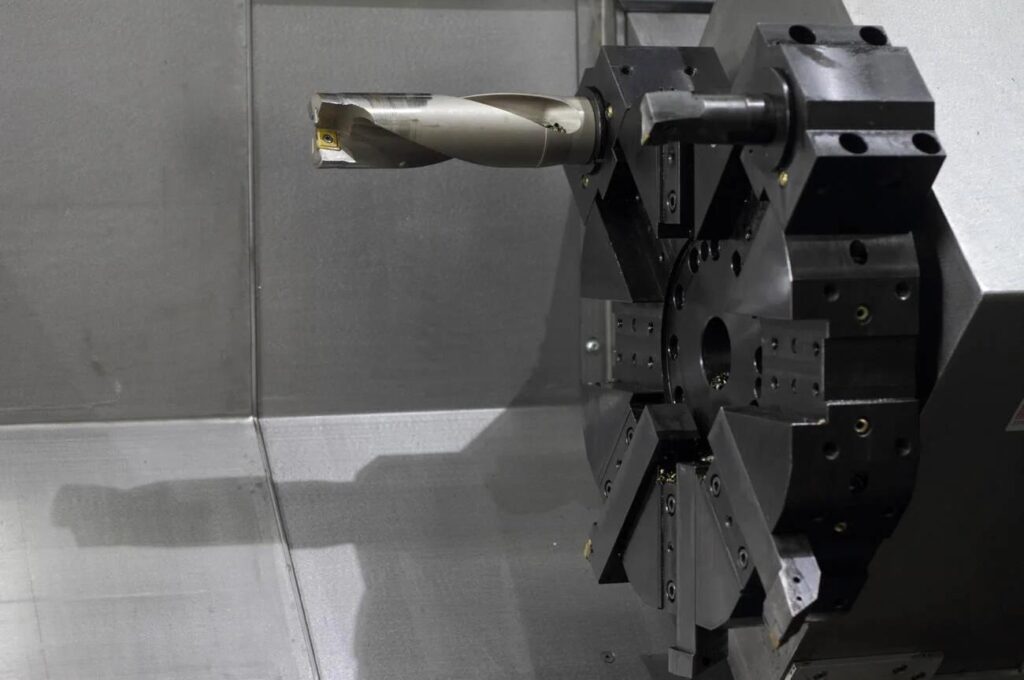
The spindle is the rotating component of the CNC lathe. It holds the workpiece. It is motor-driven and rotates at different speeds depending on the machining process. Among the most sensitive parts of the lathe, the spindle can be mentioned, as its rotation makes the cutting tool come into contact with the workpiece.
Chuck
 Lathe machine chuck
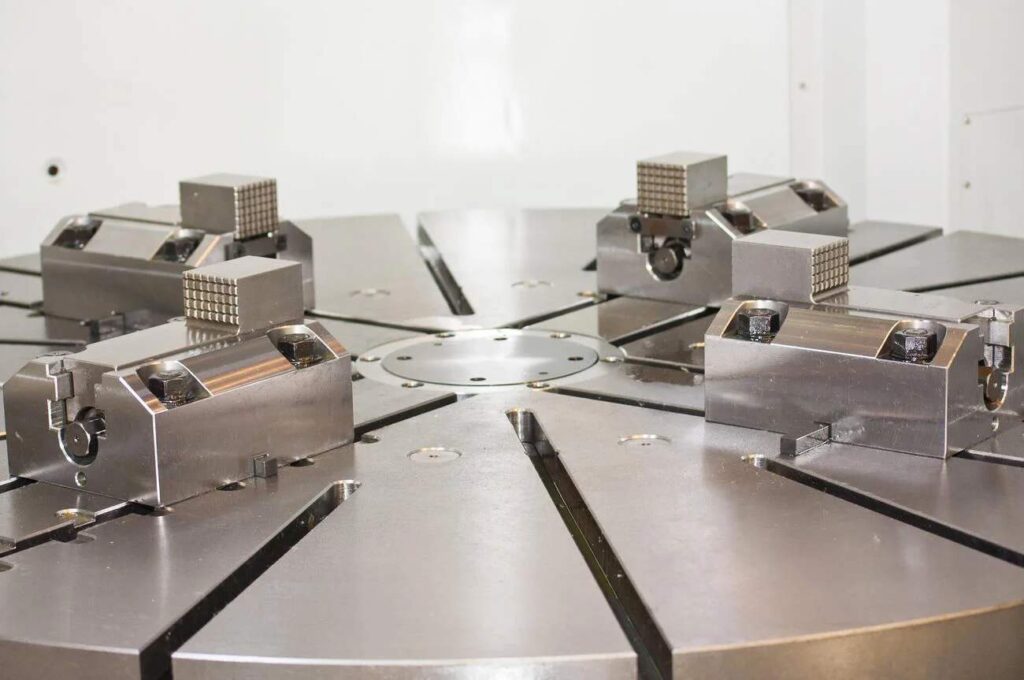
Chuck is used to hold the workpiece in place. It is securely fastened to the spindle and may have 3 or 4 jaws, depending on the nature. It enabled the workpiece to attach securely, even as the machine undertakes the cutting processes or machining procedures.
CNC Controller
 Control panel of the CNC lathe machine
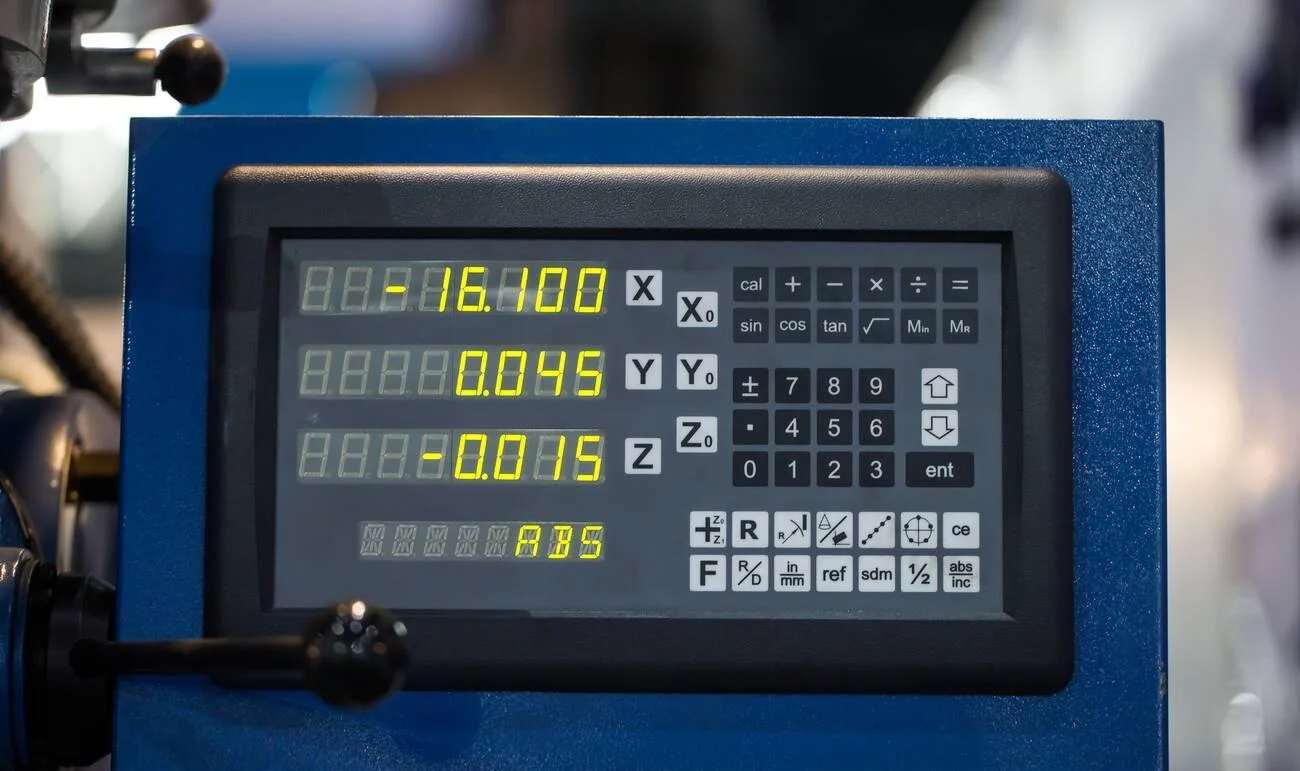
The CNC controller refers to the brain of the CNC lathe. It reads the G-code and dispatches directions to the motors and actuators to effect the shifting of the cutting tools and the workpiece. It ensures smooth and accurate machining operations.
Tool Turret
The Tool Turret is a rotatable part. It holds a certain number of cutting tools. It allows the CNC lathe to swap tools when using multiple tools automatically. This cuts down downtime and lets the machine do more tasks without needing manual intervention.
Carriage
The carriage is a moving part that supports the cutting tool. It moves along the bed to reach the cutting area. The machine follows a pre-programmed path on the work surface. The carriage moves in both X and Z directions. This allows it to deliver precise cuts and smooth finishing.
Conclusion
FAQs
Q1: What is the lifespan of a CNC lathe?
Generally speaking, a CNC lathe can give years of service if proper maintenance is kept. With frequent annual servicing, regular upgrades, and cautious use, it can extend its life to a long life.
Q2: Can a CNC lathe work with materials other than metal?
Yes, CNC lathes can also machine materials like plastic, wood, and composites. However, the correct cutting tools and settings must be used for each material to get proper results.
Q3: What is the difference between a CNC lathe and a manual lathe?
A CNC lathe is controlled by a computer, which allows higher precision, repeatability, and automation in machining. In contrast, a manual lathe depends entirely on the operator to control all movements using hand-operated handles. Because of this, manual machining can lead to variations in accuracy and consistency between parts.