Copper CNC machining presents real challenges for manufacturers. Pure copper bends easily under cutting forces. This leads to rapid tool wear, poor tolerances, and uneven surface finishes. Heat buildup during machining can also cause distortion and part rejection.
Copper addresses these problems by providing electrical and thermal conductivity similar to that of copper, with improved machinability. These alloys reduce deformation and allow stable cutting conditions.
Successful copper CNC machining depends on understanding material behavior and process controls, such as tool selection, cutting speeds, and feeds, which must be matched to copper properties. Proper planning improves accuracy, strength, and surface quality.
Premium Parts support your project from material selection through final machining. We help you choose suitable copper alloys for your application. You receive consistent parts with reliable performance. This guide explains CNC copper machining, its applications, and the key factors to consider before machining copper.
What Is Copper CNC Machining?
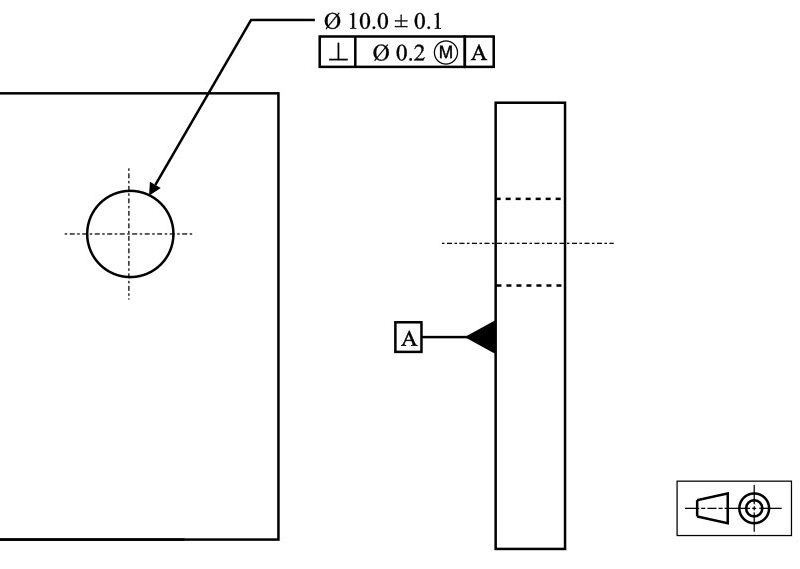
Copper CNC machining is a precision subtractive manufacturing method performed on computer-controlled machines. It is used to make parts with stringent tolerances, smooth surfaces, and complicated shapes. Such precision is crucial to industries, including electronics, aerospace, automotive, and medical production.
It’s based on CNC programming to manage milling, turning, fixturing, and cutting. These measures provide uniform quality and reproducibility. Correct planning and configuration assist in ensuring dimensional accuracy and integrity of materials throughout production.
What are the common techniques for Copper Machining?
Machining copper on CNC machines requires careful planning due to its high thermal conductivity and ductility. Proper methods avoid deformation and retain the performance of materials and dimensional accuracy. Depending on the part geometry and the type of copper, both conventional mechanical processes and the modern non-contact processes are employed.
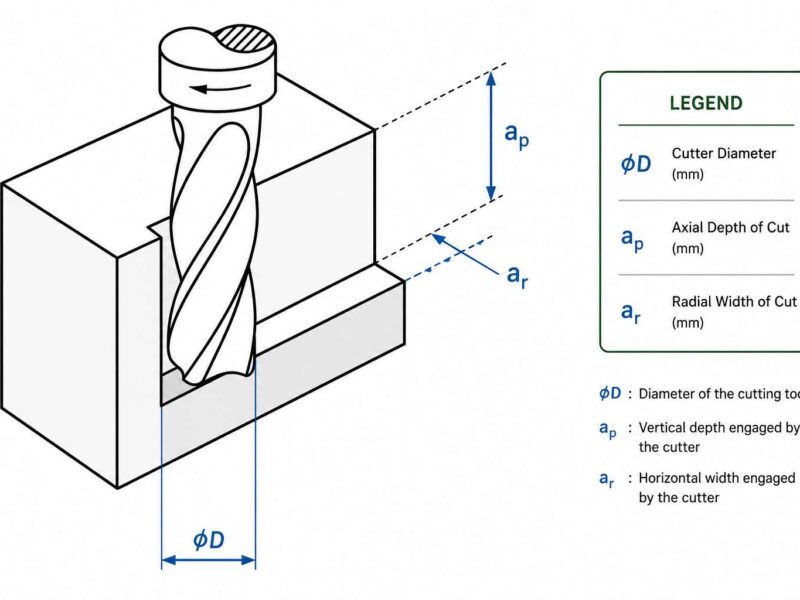
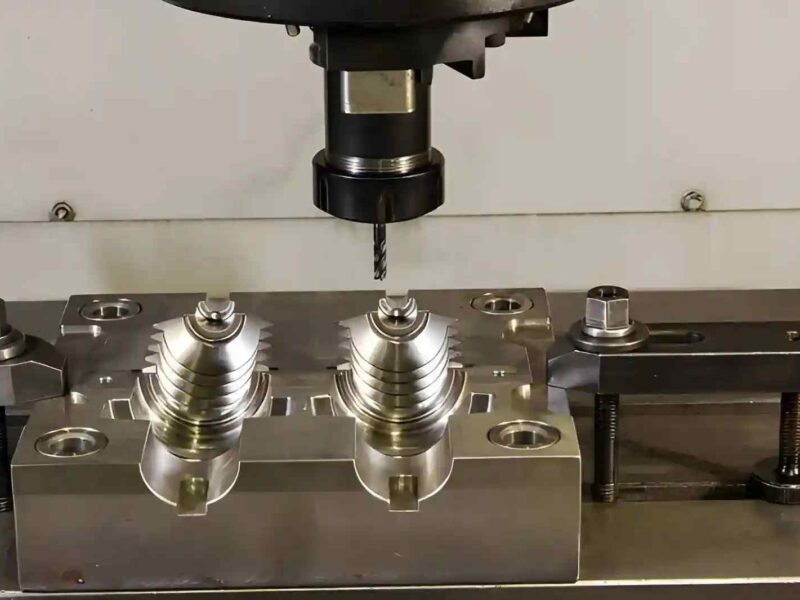
CNC milling shapes copper using rotating cutting tools to remove material and create slots, holes, and complex forms. High-speed spindles manage heat and keep tolerances tight, and so, they are suitable for precision components such as heat exchangers.
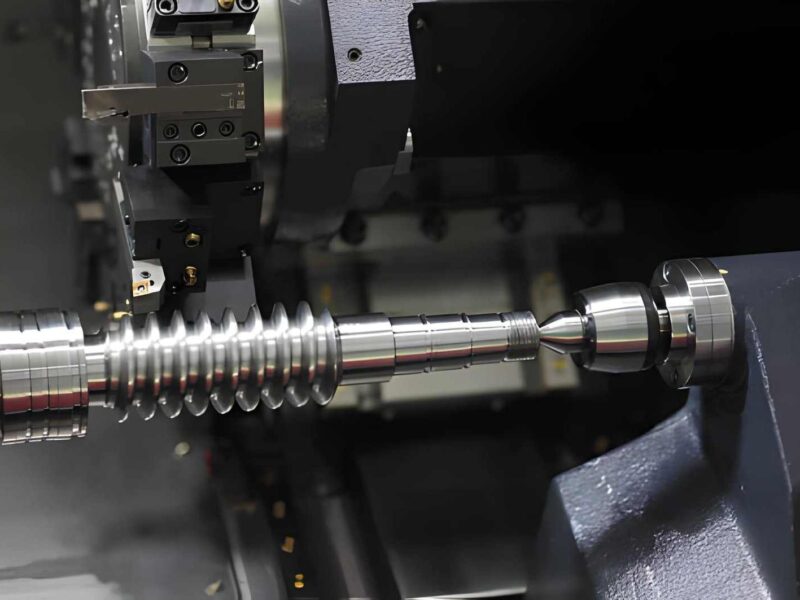
CNC turning produces cylindrical parts, shafts, and bushings through rotation of the copper against a hardened cutting tool. Adjustments like positive rake angles help prevent burns, improve chip flow, and enable efficient machining for high-conductivity applications.
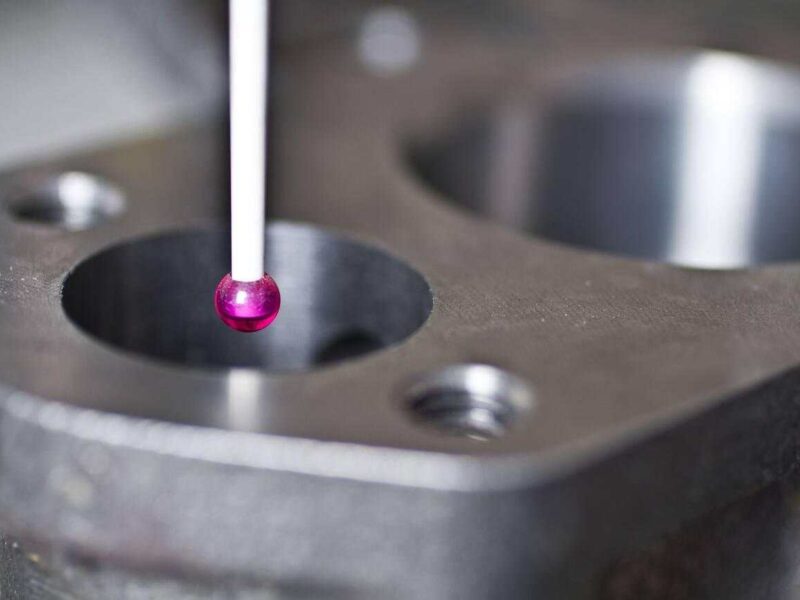
Drilling fabricates accurate holes; it involves rotating bits, and peck cycles may be used to control chips and heat, which is essential in electronics and industrial assemblies.
Electrical discharge machining (EDM) shapes copper with electrical sparks in dielectric fluids, allowing complex geometries without stressing the material. This preserves copper’s conductivity for molds, electrodes, and aerospace components.
Water jet cutting involves a high-pressure stream of water that contains abrasives to cut thick copper without heat distortion, with smooth, accurate edges.
Tapping and threading create internal and external threads under controlled feeds to minimize tearing, usually applied to plumbing fittings and corrosion-resistant connections.
Strengths and limitations of various machining methods:
| Methods | Strengths | Limitations | Case use |
| CNC Milling/Turning | High precision, smooth finishes, fast turnaround | Tool wear, burrs, and if chips aren’t managed | Prototypes, electrical connectors, precision blocks |
| Laser Cutting | Fast for 2D profiles, no tool wear | Struggles with thicker stock, heat-affected zones | Flat parts, brackets, simple outlines |
| EDM (Electrical Discharge Machining) | Great for very fine features, hard-to-cut shapes | Slower, higher cost | Intricate cavities, sharp internal corners |
| Chemical Etching | Good for ultra-thin sheets | Limited thickness, slower process | PCB foils, thin copper shims |
Copper grades used in CNC Machining:
The selection of an appropriate copper grade is based on conductivity, strength, ductility, and machinability. These properties are important to be known to manufacture effective and accurate copper components. The copper grades for machining list includes:
Pure copper:
It is malleable, soft, and very conductive. It usually includes minor quantities of alloying components to enhance toughness and workability. Pure copper, commonly referred to by UNS numbers C10100 to C13000, is commonly used in electrical apparatus, involving wiring, motors, and industrial machines. It is soft and therefore harder to machine and requires sharp tools and careful handling.
Electrolyte copper:
Refined cathode copper produces electrolytic copper with low impurities, and is highly conductive, up to 100% IACS. C11000 is the most popular grade, which is very ductile and is used in windings, cables, wires, and busbars, among others. It is also easier to machine than higher-purity copper as it has better mechanical properties.
Oxygen-free copper:
Copper, which has the highest purity and the lowest oxygen level, is oxygen-free copper. It minimizes the chances of hydrogen embrittlement. High-vacuum electronics, audiovisual equipment, transmitter tubes, and glass-to-metal seals often use grades of C10100 (OFE), C10200 (OF), and others. These materials are of high conductivity and ductility, hence are suitable for critical electrical parts.
Free machining copper:
Bronze and brass are free-machining copper alloys, frequently containing such elements as nickel, tin, phosphorus, or lead to enhance machinability. Bronze is valued for its hardness and impact strength, while brass offers excellent workability and corrosion resistance.
Challenges in the Copper CNC Machining Process:
Copper is praised due to its workability and thermal characteristics, yet it presents certain difficulties in CNC machining. These are:
- Pure copper is an extremely hard metal to machine as it has tendencies of sticking to cutting tools and create accumulated edges that expedite the use of tools. This may form burrs and decrease the quality of the surface.
- Work hardening is another problem. Copper is very ductile, and thus it cuts the tools easily. This deformation makes the machined surface harder, which requires more cutting forces, and it places additional stress on tools and machines. The effects are minimized with sharp tools, optimized cutting parameters, and using the correct lubrication.
- Although copper is an effective heat conductor, temperature irregularities may result in uneven expansion or contraction and distortion.
- Cutting tools can also be damaged due to excessive heat. The heat needs to be managed carefully, and the cooling needs to be effective for part accuracy and tool shelf-life.
Useful Tips for Copper CNC Machining for Custom Parts
The starting one is the selection of the appropriate grade of copper to use. Pure copper offers excellent conductivity but is soft, expensive, and difficult to machine. Applications that require increased strength or wear resistance should be done using alloys such as phosphor bronze or beryllium copper.
Proper wall thickness (at least 0.5 mm in decorative sections) allows for avoiding deformation, whereas a structural component requires much thicker walls.
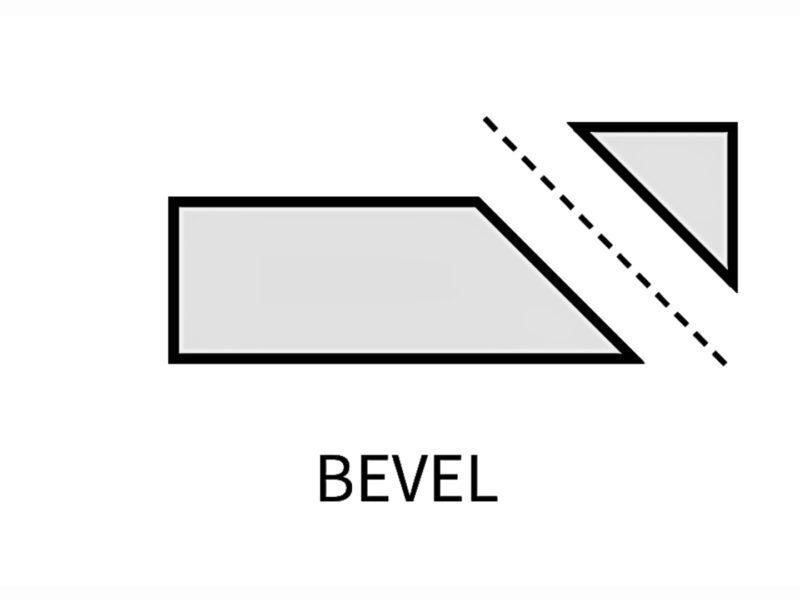
The use of smooth transitions, chamfers, and fillets reduces the amount of burr, which makes finishing easier. Standardized dimensions and features also provide ease of fixturing, tool wear, and overall efficiency of machining.
The correct feed rate is essential to both the part quality and tool life. Copper is an excellent heat conductor, and thus high feed rates may cause overheating, chatter, or poor surface finish.
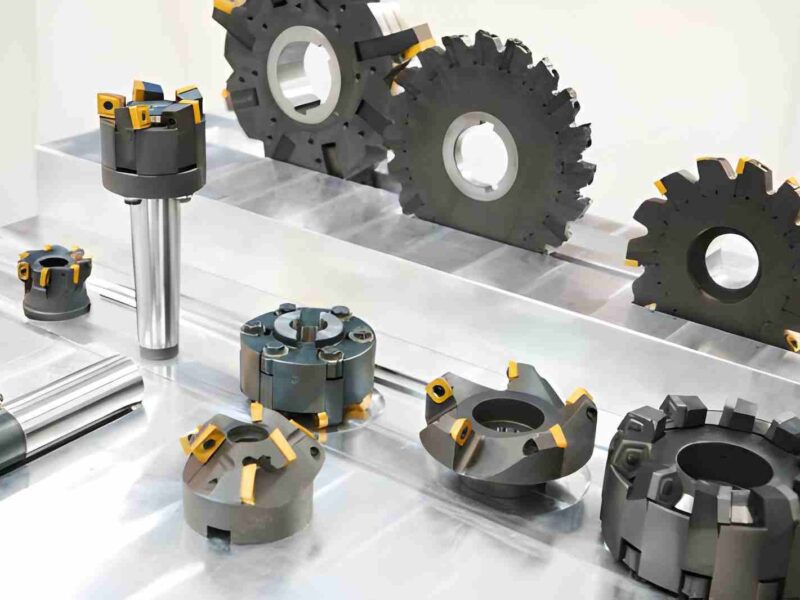
The selection of appropriate cutting tools increases performance. Carbide tools are used in high-speed machining and are suitable for pure copper.
Low-speed operations can be performed with cobalt or high-speed steel tools, but they wear out more quickly.
Finished flutes and sharp edges enhance the evacuation of the chips and lessen the adhesion of materials to evenly maintain the quality during the machining process.
Post-processing of Copper Machined Parts:
CNC-machined copper components are usually carried through a post-processing procedure that enhances the appearance, durability, and performance of the components. Surface finishing eliminates machining marks, limits oxidation and increases corrosion resistance, and keeps parts to the functional and aesthetic requirements.
- Abrasive materials used in media blasting include sand, glass beads, or aluminum oxide to clean and texture copper. It eliminates oxidation, machining scars, and contaminants with a smooth matte or satin finish.
- Electroplating is applied as a thin copper metallic coating to enhance both corrosion and wear resistance, in addition to conductivity. Nickel and other plating materials, such as silver and gold, are regarded as the most common plating materials due to their durability, high conductivity, and solderability, as well as oxidation protection.
- Electropolishing is an electrochemical process that removes a thin oxide film on the surface, especially when it is needed on high-purity or oxygen-free copper. It decreases friction, enhances oxidation resistance, and gives it a smooth, reflective look.
- Anodizing is not as widely used with copper as with aluminum; it is possible to anodize some copper alloys. This procedure makes the oxide layer dense, enhancing corrosion resistance, and enables it to be used in decorative painting with different colors.
Applications and uses of Copper CNC Machining:
Copper CNC Machining is used in industries based on the fact that copper is a good conductor, durable, and attractive.
Copper is utilized in electronics and electrical purposes in circuit boards, connectors, heat sinks, and so forth. CNC machining enables high-quality production that is very accurate. The components are subjected to very stringent standards of performance and reliability.
CNC-machined copper components are used in the automotive and transportation industry as engine parts, brake systems, and other components that guarantee the safety and performance of the vehicle. It is also used in the electric and new energy vehicle market, such as battery connectors and thermal management systems, as precision and conductivity are important.
Copper is also appreciated in construction and decoration due to its distinctive color and texture. CNC machining allows custom-designed copper door and window designs, sculptures, and other decorations in fine detail and functionality with high-end design.
Copper has biocompatibility and antibacterial qualities in the medical field and is suitable as a medical device as well as a medical implant. CNC-cut copper avoids infection and ensures patient safety.
Conclusion:
CNC copper machining is a high-precision process applied in the production of high-quality parts in electronics, automobiles, architecture, and the medical field. It involves a precise selection of materials since pure copper is soft and hard to machine. The important aspects that need to be taken into account are part design, the right feed rates, and the choice of the appropriate cutting tools to ensure accuracy, finish, and tool life. Media blasting, electroplating, and electropolishing are the post-processing methods that improve durability, corrosion resistance, and appearance. In general, CNC machining of copper provides accurate, dependable, and practical components with extensive applications.
Premium Parts delivers the best CNC-machined copper without compromising quality. We machine pure copper and advanced copper alloys with strict control over tolerances, surface quality, and dimensional accuracy.
Our approach supports complex designs and performance-driven applications where reliability matters. Contact us and turn your copper designs into refined, high-quality components, built to perform.
FAQs
What are Copper CNC Machining Services?
Copper CNC machining services use computer-controlled machines to cut, turn, and drill copper into precise parts. The process takes advantage of copper’s high electrical and thermal conductivity. It is widely used to produce accurate components for electronics, aerospace, and automotive applications.
Name a few CNC Machined copper parts?
To name a few, heat sinks, pipe fittings and elbows, electrodes, waveguides, magnetrons, connectors, and terminals are common copper parts used in various industries.
What is the cutting speed for copper?
Cutting speed for copper varies based on the copper grade and machining process. Different copper materials require different speeds for the best results. For example, brass is commonly milled at cutting speeds between 2,000 and 4,000 fpm.