Machining molybdenum requires skill, expertise, and attention to detail. The metal is tough, dense, and holds its shape even under heat. That’s why it’s used in aerospace engines, electronic parts, and furnace components. But working with it isn’t easy. Molybdenum doesn’t behave like aluminum or mild steel. It can chip or crack if handled too aggressively.
Cutting this metal needs a steady approach. Speeds must stay low, and tools must stay sharp. Coolant is used not just for temperature control but also to carry away fine chips that can damage the surface. The setup must stay rigid, or even a small vibration can ruin the finish.
At Premium Parts, our team machines molybdenum with care. We use precise feeds, fine-grain carbide tools, and balanced fixtures. Each part is checked closely for size and surface accuracy. This control helps us produce clean, reliable molybdenum parts that can perform in harsh and high-temperature conditions.
What Is Molybdenum Metal?
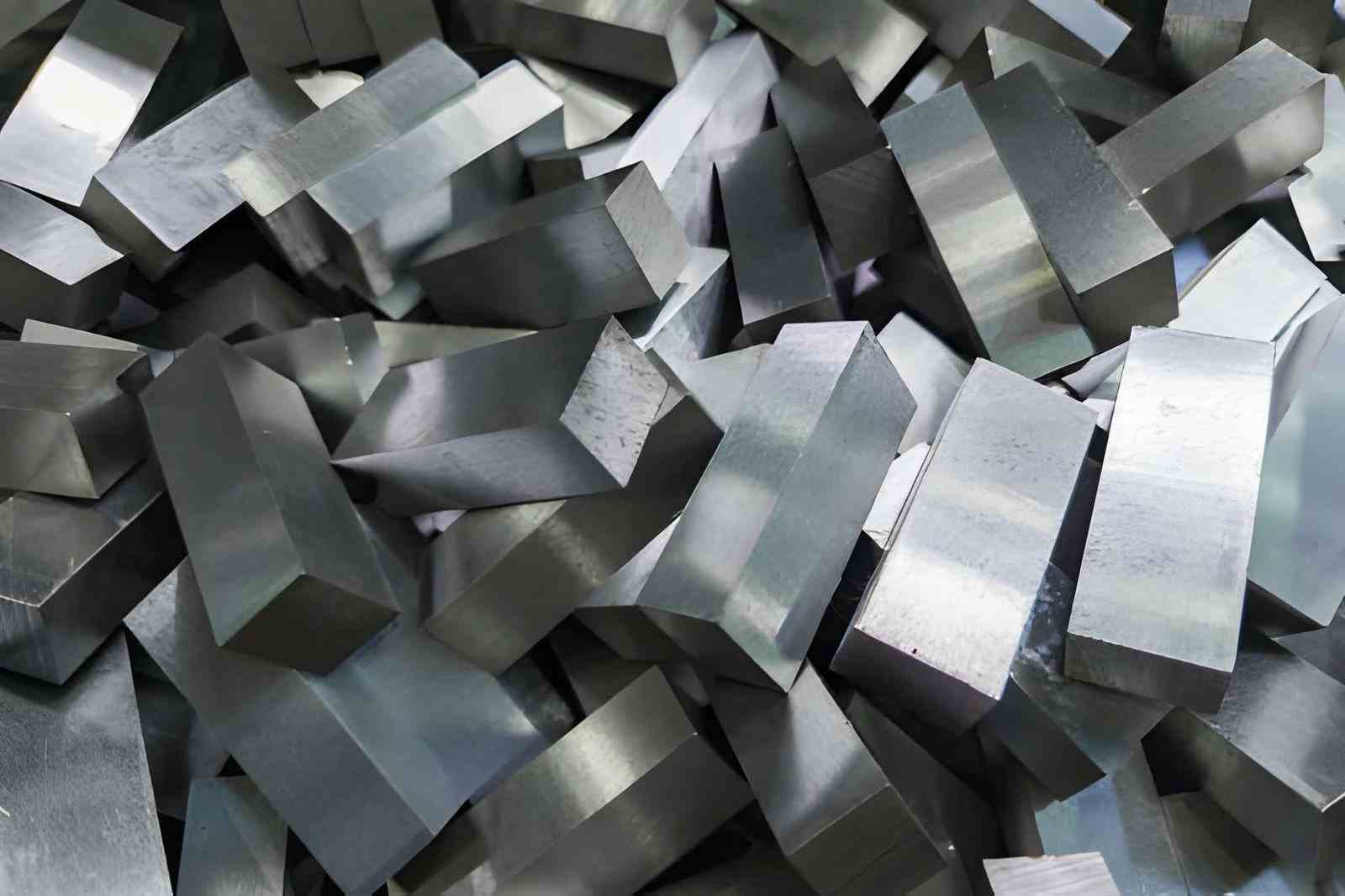 Molybdenum blocks for CNC machining
Comparison of Molybdenum with Other Common Engineering Metals
Table 1: Comparative Properties of Molybdenum and Other Common Engineering Metals
| Property | Steel | Titanium | Aluminum | Copper | Molybdenum |
| Melting Point (°C) | 1,370 – 1,540 | 1,668 | 660 | 1,085 | 2,623 |
| Density (g/cm³) | 7.85 | 4.51 | 2.70 | 8.96 | 10.28 |
| Strength and Hardness | Moderate to High | High | Low | Moderate | High |
| Thermal Conductivity | Moderate | Moderate | Good | Very High | Excellent |
| Electrical Conductivity | Moderate | Moderate | Excellent | Excellent | Good |
| Thermal Expansion | Moderate | Low | High | Moderate | Low |
| Corrosion Resistance | Moderate | High | Moderate | Moderate | High |
Techniques Used for Molybdenum Machining
Molybdenum is a dense, heat-resistant metal, but it is difficult to machine. Unlike steel or aluminum, it is more brittle and sensitive to temperature changes, which can lead to cracking or edge damage if not handled correctly.
Because of this, machining must be done at controlled speeds using sharp tools and a rigid setup. Stability during cutting is essential to avoid vibration and maintain accuracy.
The sections below explain the most common methods used to shape molybdenum and how each process is applied in practice.
CNC Turning
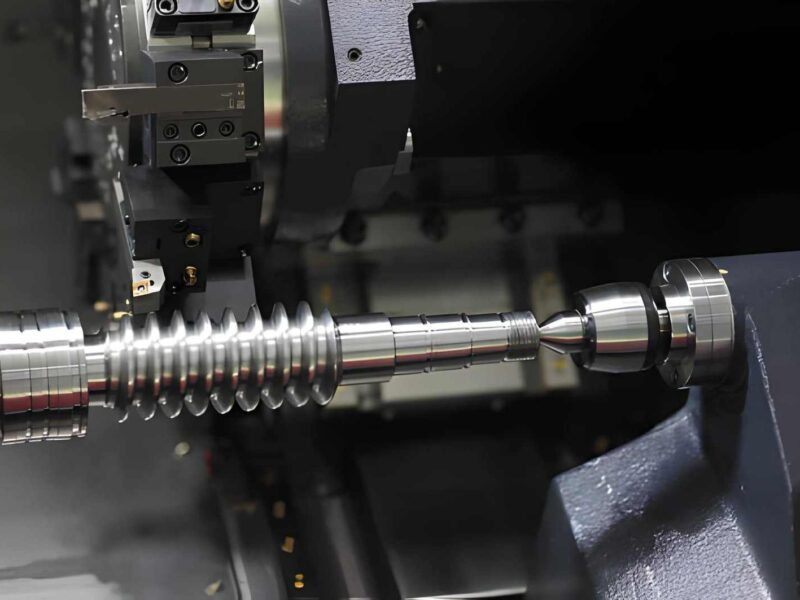
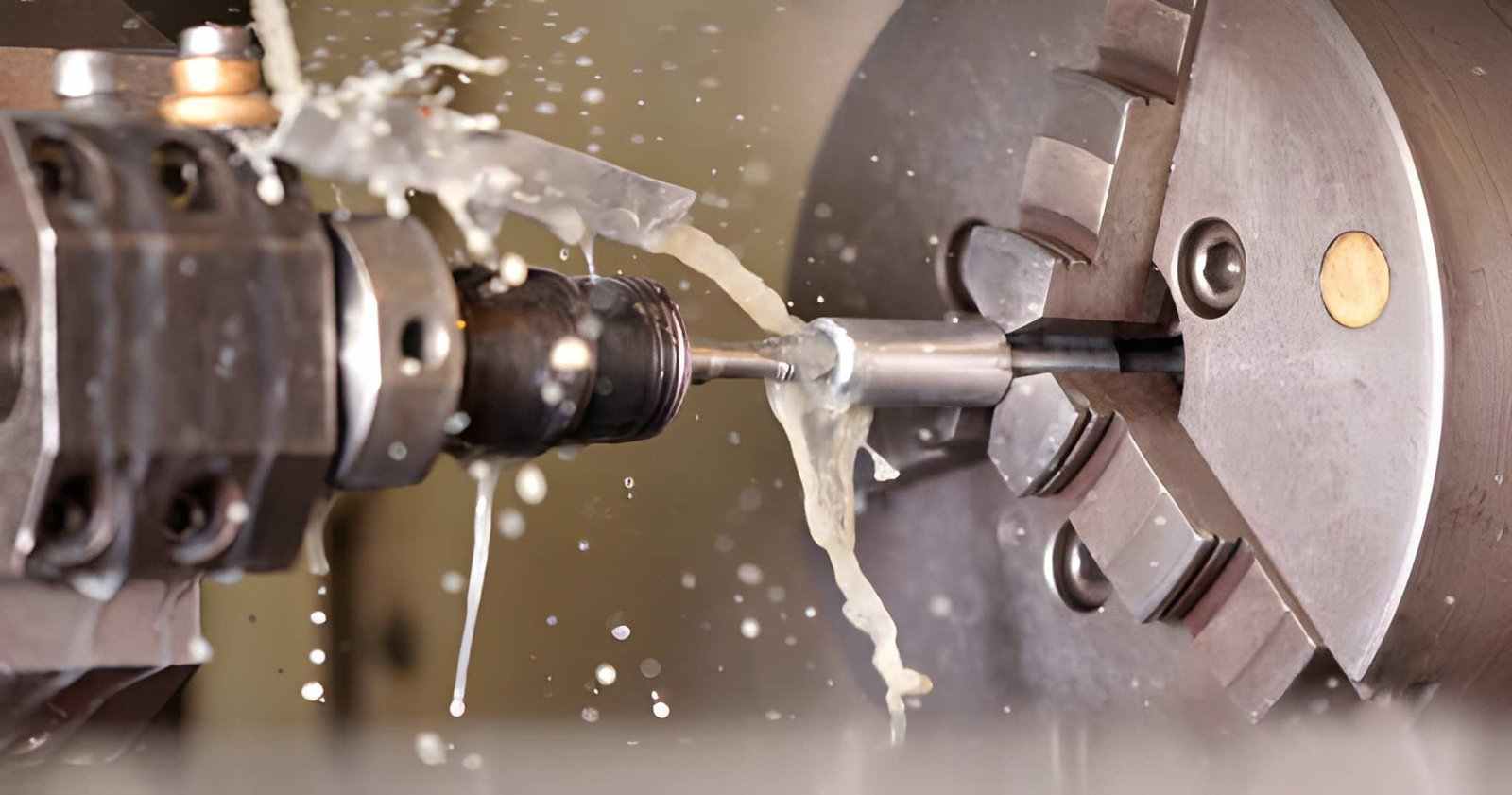 CNC turning molybdenum
Forging molybdenum requires hardened installations and extremely sharp carbide tools. The tool should slice without chattering; the vibration may make the surface chip.
Machinists tend to operate the spindle slowly and have a constant feed. The reason why a constant flow of coolant is necessary is to maintain heat and also to eliminate chips before they melt into the part. Bending is suitable for rods, electrodes, and round parts of electronics and heating systems.
CNC Milling
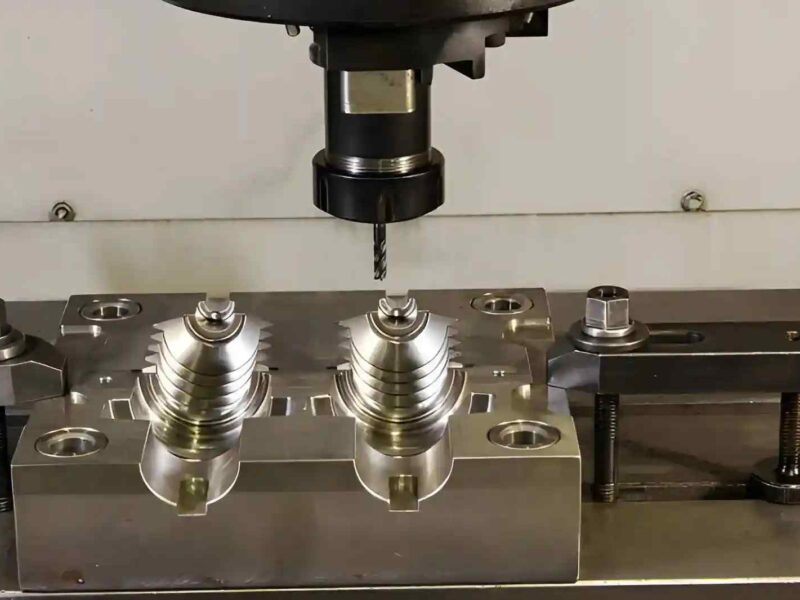
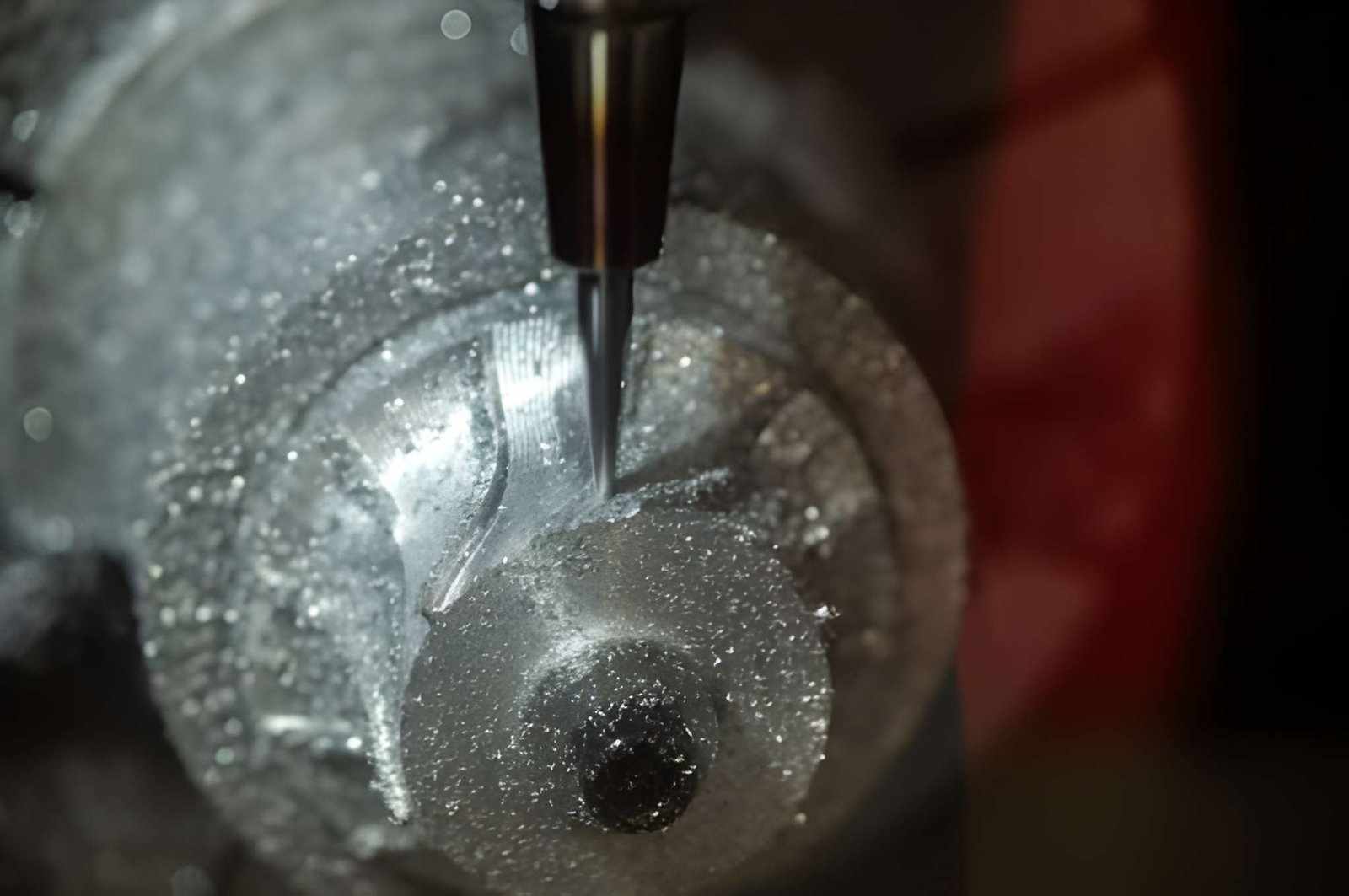 CNC milling molybdenum
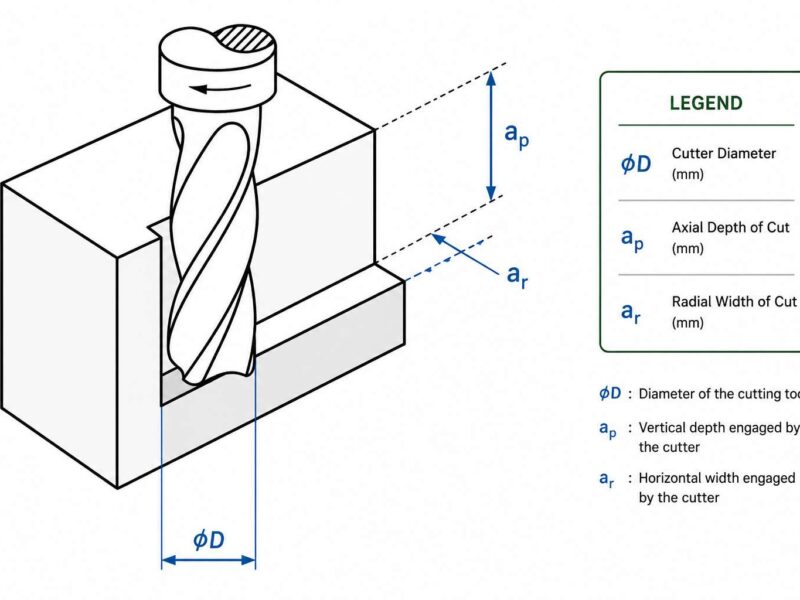
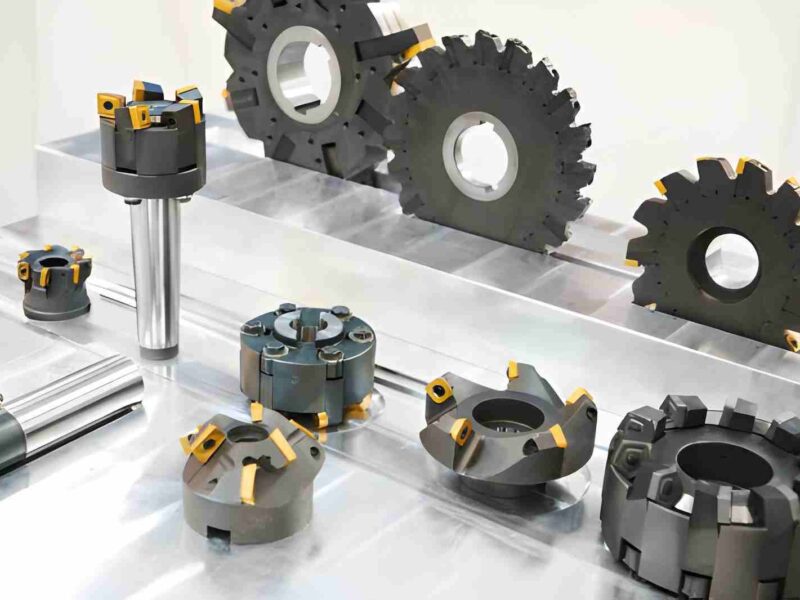
Light, steady cuts can be obtained by milling. Molybdenum is not very tolerant of heavy passes, and therefore, the depth of the cutter should be minimal, and the tool should remain sharp.
The surface finish in climb milling is usually smoother because the cutting tool engages the material more cleanly with less rubbing. Continuous coolant flow should be directed at the cutting zone to prevent heat buildup and surface oxidation during machining. Flat plates, brackets, and precision parts with an emphasis on accuracy and surface finish are made using milling.
CNC Drilling
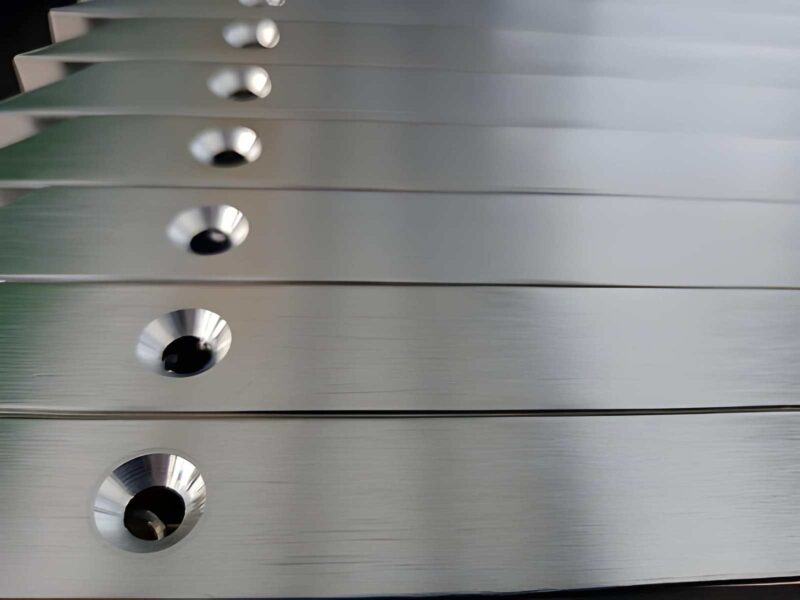
Molybdenum takes time to drill. The chips are fragile and can fit closely in the hole. The safest way is peck drilling, which involves making a short cut followed by pulling the drill back to remove chips.
A large point angle and polished flutes are used to minimize friction when using a drill. The speed of cutting has to remain low, and a continuous supply of oil or coolant is to be provided to avoid excessive heating. This is applied to holes in heating components, nozzles, and high-temperature assemblies.
CNC Grinding
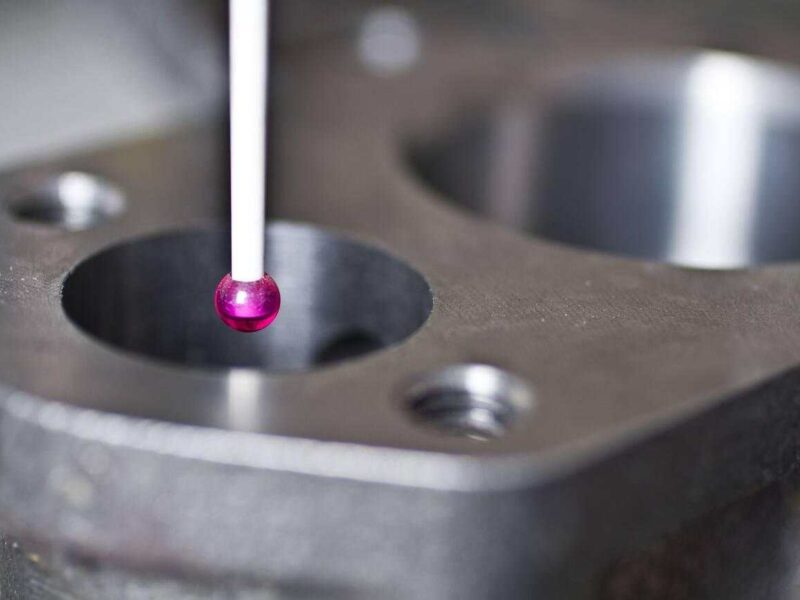
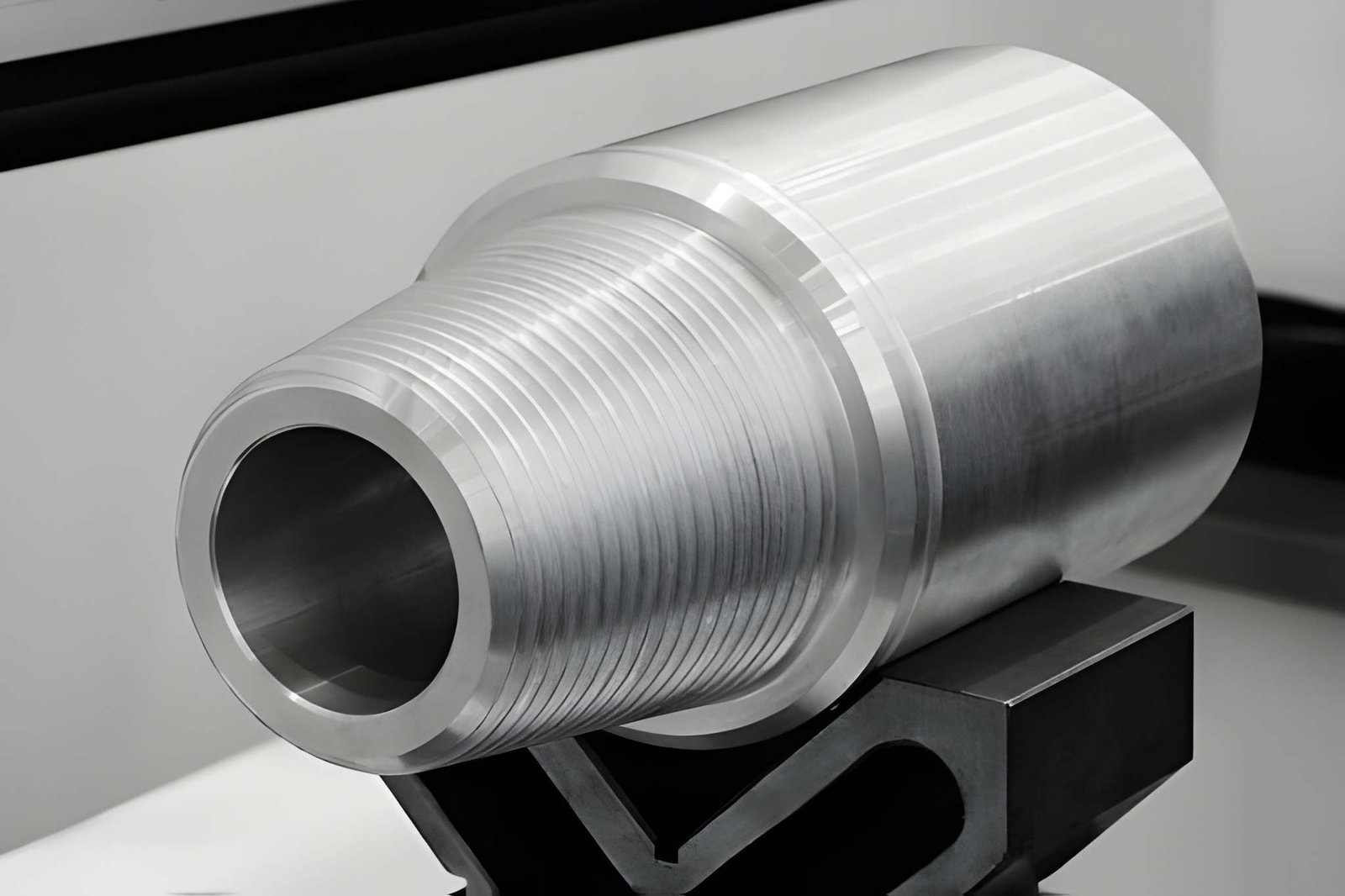 Molybdenum metal round part on quality control stand
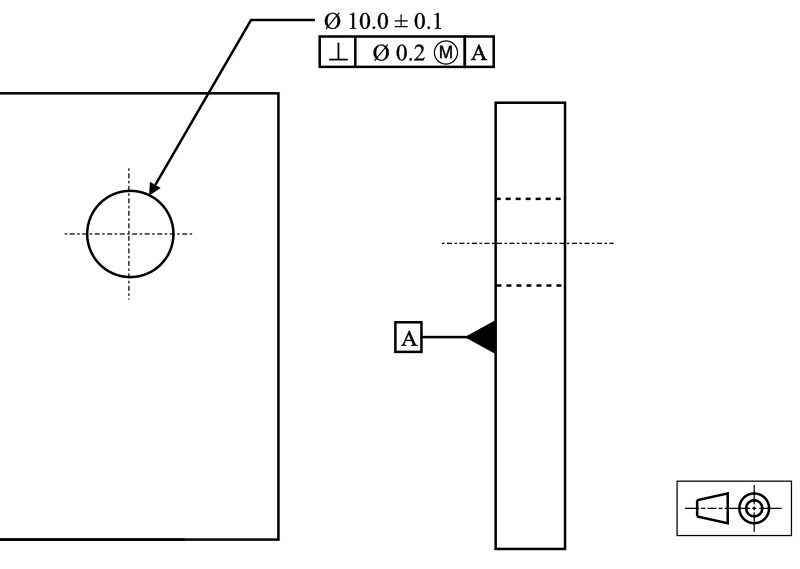
When tight tolerances or smooth finishes are needed, molybdenum is a good choice. Molybdenum must be ground carefully because it is sensitive to heat and can crack easily. Light passes, and plenty of coolant is used to avoid damage. Diamond wheels are preferred since they stay sharp on hard materials. This helps achieve a clean finish without stressing the part. It is commonly used for precision tools, mirrors, and furnace parts.
Electrical Discharge Machining (EDM)
EDM is a process where the component is too thin or fragile to be machined by other means. It removes material with electrical sparks; thus, there is no cutting pressure, no tool stress. EDM is able to create small slots, tiny holes, and complicated shapes that are hard to mill or drill. It is common for little parts of precision, contacts, and inserts to be manufactured using molybdenum.
Applications of Machined Molybdenum Parts
Aerospace Components
Molybdenum finds an application in aircraft engines, turbine blades, and heat shields. The temperatures of these sections are very high. Even when exposed to heat over a long period of time, molybdenum does not alter its shape or strength. It is also used to minimize the total weight of parts, thus enhancing the performance and fuel consumption of the engine.
Electronics and Semiconductors
Heat sinks, electrodes, and wafer supports are some common examples of machined molybdenum parts used in electronics. These elements regulate the heat of sensitive circuits. The thermal conductivity of molybdenum is superior, and it is used to prevent overheating of devices that produce a lot of heat in the devices.
Energy and Power Generation
Molybdenum machined parts are also utilized in the power generation and energy industries in furnace parts, heating elements, and contacts. The metal is excellent at high temperatures as well as high pressures. It is dependable in nuclear reactors and electrical systems as it does not deform or corrode with time.
Medical Equipment
Molybdenum is used in X-ray machines and diagnostic equipment. It also offers good and consistent imaging outcomes since it can manipulate radiation without impairing purity. Machined molybdenum parts, e.g., targets and supports, are highly accurate to maintain a constant standard of medical imaging.
Industrial Tools
Molybdenum also finds use in molds, dies, and forming tools. These sections are highly frictional and straining. The hardness and wear resistance properties of the metal allow it to be used in precision tooling that requires longevity of use and in long production lines without losing its accuracy.
Automotive Applications
Molybdenum is applied in the automotive industry in the manufacture of exhaust parts, valve seats, and heat shields. These sections have to endure permanent heating and cooling. Molybdenum is the optimal combination of strength and thermal stability, which makes the engines perform efficiently and extend their lifespan.
Most Common Grades of Molybdenum Alloy in Machining
Pure Molybdenum
Pure molybdenum is the most commonly used grade for machining and forming applications. It is very strong, stiff, and thermally conducting. The grade is ideal to use in applications that require stability at a high temperature, such as furnace components and electrical contacts. When sharp tools are used and the tools are well-cooled, they can easily be machine-worked, too.
TZM Alloy (Titanium-Zirconium-Molybdenum)
TZM is a molybdenum alloy of high performance that consists of traces of titanium and zirconium. These modifications improve the grain strength and creep strength, which makes TZM appropriate for components that endure long operating temperatures and mechanical tension.
It is commonly applied in aerospace engines, die casting molds, and high-speed tool parts where dimensional accuracy and durability are essential.
MHC Alloy (Molybdenum-Hafnium-Carbon)
MHC alloy has been associated with high strength at high temperatures. The hafnium and carbon enhance the grain structure of the alloy to avoid softening of the alloy during prolonged exposure to heat. It is also used in preference in forging dies, hot runners, nozzles, and extrusion tooling, in which both toughness and heat resistance are necessary.
Mo-Lanthanum (Mo-La)
Mo-La or lanthanated molybdenum has been developed to be more ductile and stronger. The lanthanum oxide of this alloy develops a stable microstructure that does not allow it to be brittle and crack during the forming or machining process.
It is suitable for high vacuum and high temperature processes, such as furnace linings and aerospace components, where mechanical stability is needed at any given time.
Mo-Tungsten (Mo-W)
The Mo-W alloy is a combination of molybdenum and tungsten to improve hardness and high temperatures. This is an outstanding combination in terms of wear resistance and strength, even at extremely high heat loads. It is widely applied in missile components, heat shields, and parts that are exposed to plasma or combustion gases.
Mo-Re (Molybdenum-Rhenium)
Mo-Re alloys are molybdenum-rhenium alloys made to enhance ductility and thermal shock resistance. They are extensively utilised in electronics, thermocouples, and aerospace components of extreme temperature oscillation.
Types of Surface Finishing for Machined Molybdenum Parts
- Grinding Finish: There are usually tool marks and rough edges on molybdenum after machining. Parts are brought to tight tolerance, and all surface defects are eliminated by grinding. Overheating is stopped by a fine-grit wheel and a low feed rate. Should the surface ever crack, a coolant is always used to prevent this. This process preconditions the further polishing or coating of the part.
- Hand Polishing: Some parts require a finish or sharp edges before installation. Emery paper or soft wheel hand polishing is expected to remove burrs and small scratches. The work is slow and controlled so as not to heat up. This finish is typically applied to optical or sealing surfaces that require a smooth feel.
- Chemical Etching: During heat treatment and machining, oxides are formed. They are removed by a brief submergence in an acid-based cleaner. This step is washed off and dried immediately to prevent further reaction. This cleaning ensures that the surface is clean to be coated or brazed.
- Coating or Plating: In the open atmosphere, molybdenum oxidizes, and this occurs at high temperatures. A thin coating of nickel or chromium is applied to preserve it. Ceramic finishes are applied in certain high-heat tools. The coating contributes to resistance to oxidation and simplifies cleaning the surface after use.
- Final Inspection: All completed components are washed either by solvent or distilled water to clean them. The machinist inspects it against the light, having a check color, clean edges, and correct dimensions. This ensures the component to be assembled or for high vacuum service.
Why Choose Premium Parts for Your Molybdenum Machining Needs
Molybdenum machining requires more than just precision tools. It requires experience, control, and understanding of how the metal behaves under heat and pressure. At Premium Parts, we handle this process with care from start to finish. Our engineers plan each step to keep tolerances tight and prevent warping or cracking during machining.
We use advanced CNC machines equipped with stable spindles and flood cooling systems to maintain accuracy on every cut. Each setup is adjusted based on the material grade and final application, whether it’s an aerospace heat shield or a semiconductor contact plate. Our in-house inspection ensures every part meets design and performance requirements.
We don’t just machine molybdenum; we fine-tune the process for every batch to achieve reliable results. From prototype to production, our focus stays on clean finishes, dimensional accuracy, and surface stability- exactly what high-performance industries expect from critical components.