A hard-hitting question for engineers is how to fabricate strong, precise, and dependable components within technical specifications and under severe deadlines. Many are challenged by variable part quality, lengthy lead times, or suppliers who can’t accommodate certain design requirements.
The answer is a reliable and flexible process of metal parts fabrication. This approach works well for high-precision processes. It supports machining, forming, and welding. These processes transform raw metal into performance-focused, application-ready components.
In this article, we’re going to walk through the whole process. You’ll explore techniques, materials, design best practices, and how to select the right approach for your next project.
What Is the Metal Parts Fabrication Process?
The design is the starting point for fabricating metal parts. After conceptualizing the model, engineers use CAD models with defined geometry, tolerance, and materials. Essentially, these digital blueprints control the manufacturing process from end to end.
After design validation, prototypes are created for testing and refinement. Once the prototype meets all performance and quality criteria, the design is approved, and full-scale production begins.
The core stages include:
-
Material Selection
Material selection affects strength, aesthetics, corrosion resistance, and price. Depending on the project being worked on, engineers can choose between metals such as aluminum, stainless steel, or brass.
For Example
Lightweight aluminum works well for electronics housings, while stainless steel suits high-strength applications. A good manufacturer helps to make a trade-off between cost and performance.
This step is laying the foundation to ensure success across the entire fabrication workflow.
-
Cutting and Shaping
After deciding on the material, you need to cut it to the appropriate size or shape. Common processes include laser cutting, waterjet cutting, or shearing.
Laser cutting provides high precision and clean edges, suitable for tight-tolerance sheet-metal components. The shapes are made according to the CAD model, guaranteeing accuracy from the beginning.
That step transforms raw material into a defined piece of work.
-
Forming and Machining
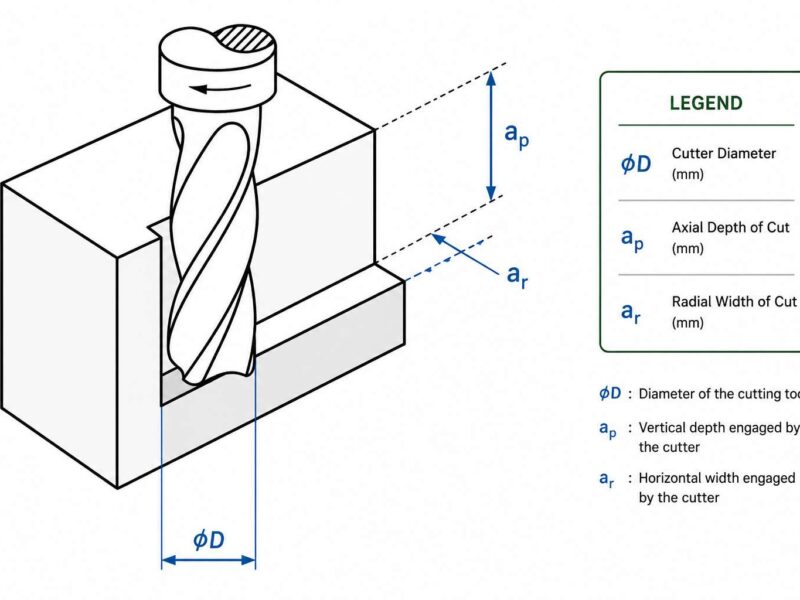
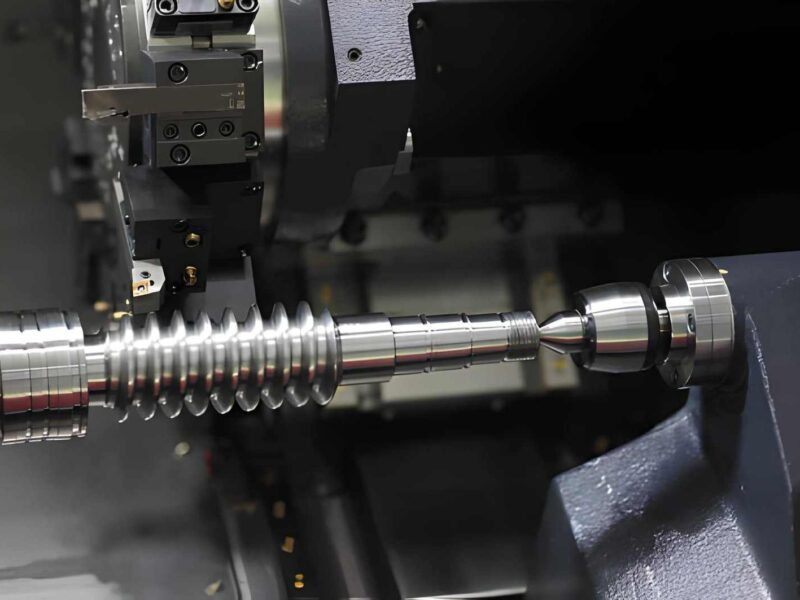
During this stage, those parts are formed into their three-dimensional shape. Forming includes bending, rolling, or stamping to produce curves, flanges, and enclosures. CNC machining removes material for detailed features like slots, holes, and threads.
In custom metal parts fabrication, engineers frequently use forming and machining in combination.
Now, at this stage, precision is critical. Small errors or misalignment can impact the fit and function of components downstream.
-
Joining and Assembly
Then, separate the components into complete assemblies. Employ MIG, TIG, or spot welding, depending on the material, for permanent joints.
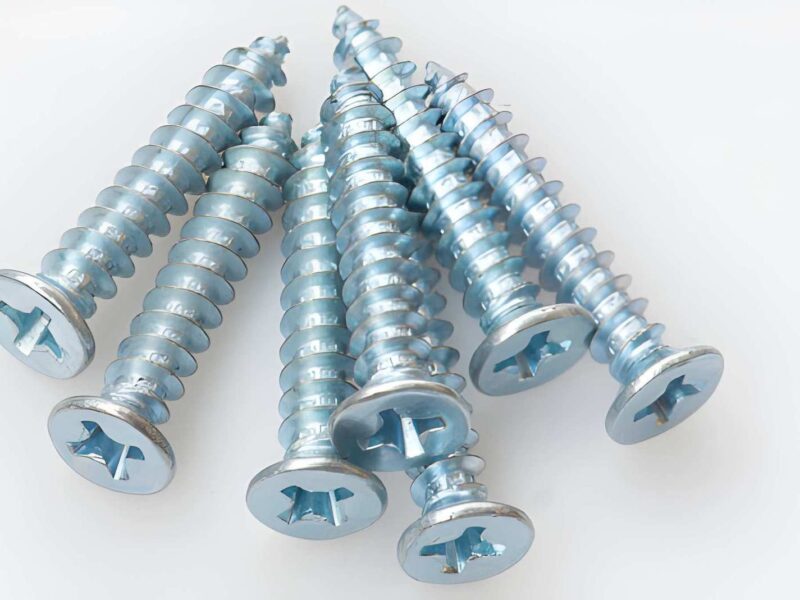
Mechanical fastening (e.g., screws, rivets, etc.) is possible to disassemble when needed. Joining considers tolerances, thermal expansion, and stress points.
This is a skilled stage; if the joining is not done correctly, the entire assembly becomes weak.
-
Surface Finishing
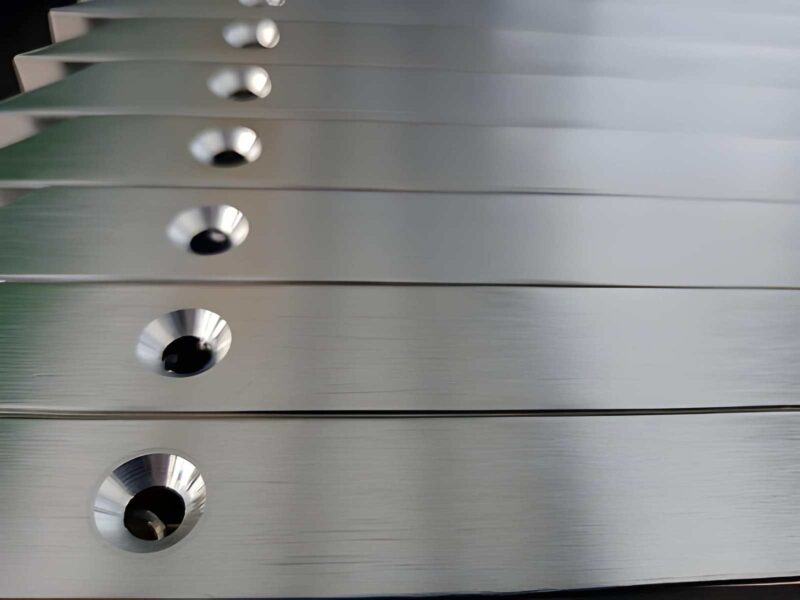
Finishing isn’t simply about how something looks; it’s about how it works, too. Processes include powder coating, anodizing, brushing, polishing, and plating.
A finish can enhance corrosion resistance, reduce friction, or meet visual specs. An anodized aluminum, for example, is suitable for outdoor use, while brushed steel presents an industrial aesthetic.
-
Quality Inspection
And the last step is verification. Engineers check to ensure dimensions, finish quality, and general integrity.
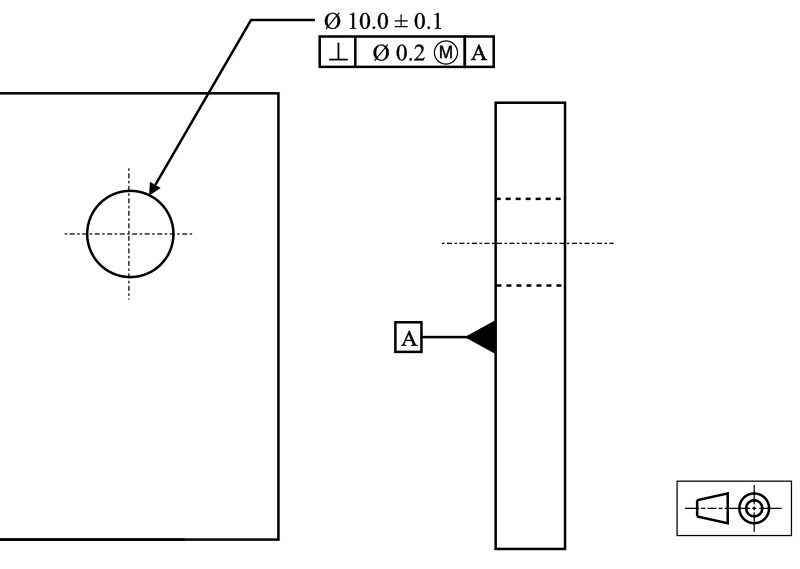
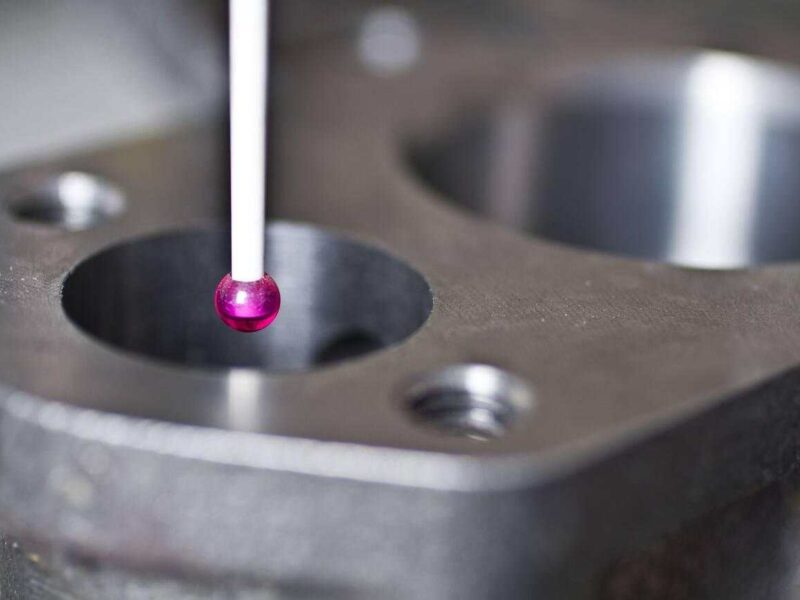
Tools of the trade are CMM, calipers, visual checks, and stress testing. Dimensional tolerances are verified against drawings to confirm every component is within spec.
At Premium Parts, we never overlook this step. We know that every piece that’s produced needs to function correctly within end-use applications.
In contrast, several techniques are typically integrated during fabrication to realize complex geometries. When part manufacturers design parts, engineers must address issues such as heat distortion, material flow, and dimensional stability.
Why Process Understanding Is Crucial
Understanding fabrication aids engineers in making better design decisions. For example:
- Choosing the correct fabrication technique prevents edge distortion.
- Make sure of structural integrity by Bent Radii Design
- Compensating for the welding distortion maintains aligned assemblies.
- And when teams understand these stages, they have better design and more intelligent manufacturing.
Metal Parts Fabrication Techniques & Their Use Case
Choosing a fabrication technique that works best for you can be vital to achieving accuracy, cost, and overall performance of the final product. Design engineers need to take into account the type of material, geometry, tolerances, and production volume, among other things. These necessities are met with a full suite of fabrication services from Premium Parts. We break down the most common metal parts fabrication processes, when to use them, and their advantages.
-
Laser Cutting-Precise: Sheet Metal Fabrication
Laser cutting is a widely used technology for the fabrication of high-precision sheet metal parts. This approach employs a concentrated beam of laser light to create pristine, complex cuts in thin metal sheets.
- When to Use: Best used for cutting thin material, tight tolerances, and fine detail.
- Common Uses: Control panels, electronic housings, brackets, and decorative metal parts.
- Materials: Aluminum, stainless steel, mild steel, and copper alloys.
At Premium Parts, we employ high-speed fibre laser systems to produce razor-sharp edge quality that minimizes the need for downstream secondary operations such as deburring. Laser cutting produces repeatable accuracy, whether for prototype parts or high-volume runs.
-
CNC Machining: More Suitable For Complex Shapes
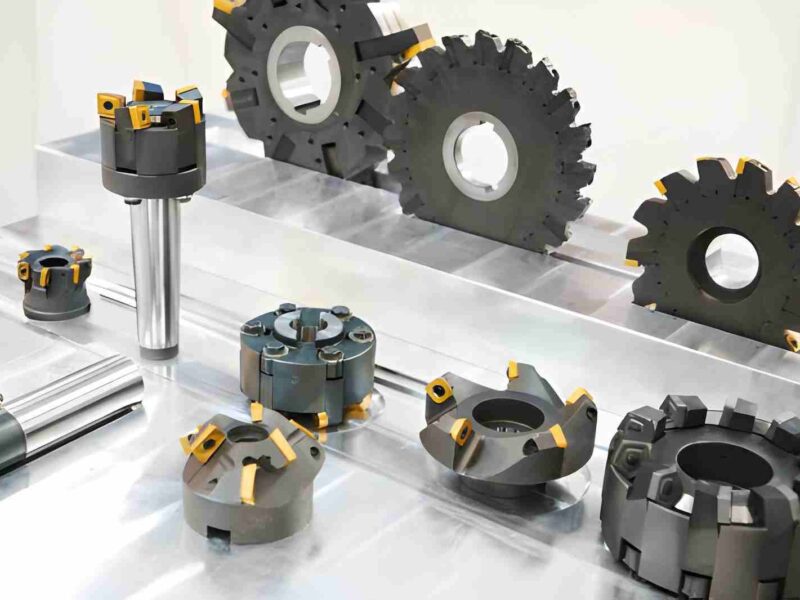
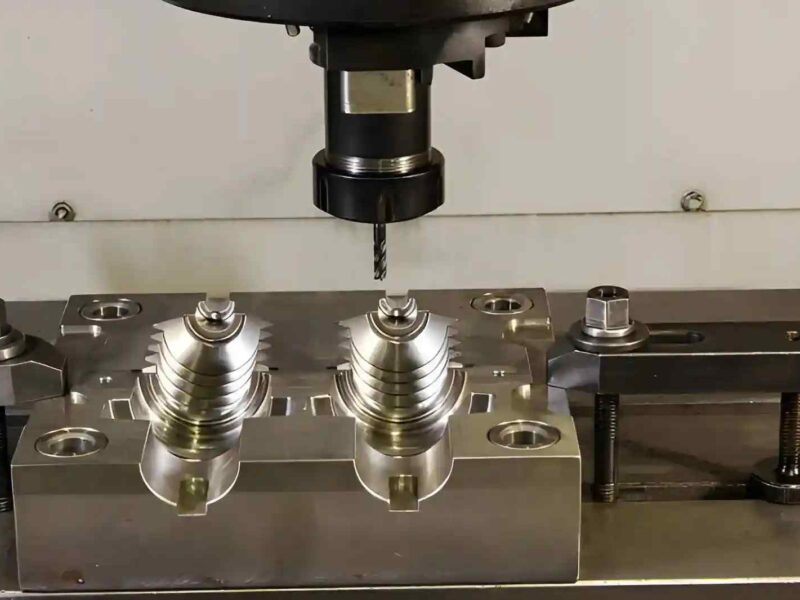
When making custom metal parts, subtractive manufacturing is a necessity. This is where CNC machining comes into play. It involves removing material from a block of solid metal using rotating cutting tools.
- When to Use: Ideal for lower-to-medium volume production requiring complex shapes, tight tolerances, or multi-axis machining.
- Common Uses: Parylene materials have common applications, such as aerospace brackets, medical components, automotive housings, and custom tooling.
- Materials: All metals: titanium, stainless steel, brass, and aluminum alloys.
Our 3-, 4-, and 5-axis CNC machines provide controlled, high-quality, with over +/- 0.001 in pure precision. We accommodate the most demanding specs with automated tool changers and real-time quality checks.
-
Bending & Forming: Sculpting Usability
Forming involves reshaping flat sheet metal into functional geometries without material removal. The process typically utilizes a press brake or roll-forming machine to obtain precise bends and contours.
- When to Use: Most useful for creating enclosures, brackets, and structural frame components from sheet metal.
- Common Uses: Electric boxes, U-channels, L-brackets, and parts of the chassis.
- Material: Mild steel, stainless steel & aluminum.
Our CNC-controlled forming equipment and skilled operators work together to ensure consistency in every bend. We account for material springback, along with the grain direction, to guarantee the proper angles and alignments.
-
Stamps and Punches: High-Volume Translation
Because stamping and punching offer high precision and consistency, they are ideal for quickly and repeatedly manufacturing parts with minimal variation. These techniques involve pressing or punching shapes out of sheet metal using dies.
- When to Use: Ideal for high-volume production with stable part geometry.
- Common Uses: Washers, covers, clips, and auto parts.
- Materials: Steel, brass, aluminum, and copper alloys.
We support progressive die stamping and CNC turret punching. We enable shorter cycle times, lower unit costs, and dimensional control. Tooling custom-built in-house suits your application.
-
Welding and Joining
Welding applies a metal-joining process to fuse several components into a strong, integral assembly. Depending on the material and design, you can employ techniques like TIG, MIG, or spot welding.
- When to Use: Essential for assemblies where mechanical fastening is impractical.
- Common Uses: Frames, supporting structures, and housing/racks.
- Materials: Most weldable metals, including stainless steel, carbon steel, and aluminum.
Premium Parts in-house welders produce strong, clean welds that meet structural and aesthetic standards. We also provide post-weld inspection and finishing to ensure your final part meets visual and functional specs as well.
Overview of Fabrication Technique
| Technique | Best For | Tolerance Level | Material Range |
| Laser Cutting | Thin sheet parts | +/- 0.005 in | Steel, Aluminum |
| CNC Machining | Complex/custom geometries | +/- 0.001 in | All alloys |
| Stamping | High-volume identical parts | +/- 0.01 in | Steel, Brass |
| Bending/Forming | Enclosures, chassis | +/- 0.015 in | Sheet metals |
| Welding | Multi-part assemblies | Joint dependent | Most metals |
Each technique plays a critical role in the metal parts fabrication lifecycle. By matching the process to the part’s functional and budgetary needs, you avoid costly redesigns and ensure end-user satisfaction.
Material Choice For Metal Parts Fabrication
Choosing the right material for a design is one of the most important decisions for metal parts fabrication. Picking the proper metal is directly tied to part performance, production efficiency, and total cost. Engineers need to find the perfect fit between mechanical strength, corrosion resistance, weight, and machinability.
Here’s a look at the most widely used metals and the trade-offs they offer for manufacturing:
-
Aluminium: It Is Lightweight and Flexible
It is one of the most widely used metals for fabrication and processing. It provides a great balance between weight, strength, and corrosion resistance.
- Advantages: Lightweight, non-magnetic, resistant to corrosion, and highly machinable.
- Applications: Aerospace parts, consumer electronics, housings, and structural frames.
- Considerations: Not as strong in tension as steel; not suitable for parts under stress.
Due to its smooth cutting behaviour and certain thermal stability, aluminum is also perfect for CNC machining and sheet metal part fabrication.
-
Stainless Steel: Strong and Durable
Stainless steel is great for corrosion, heat, and chemical resistance. It’s common in washed-out environments and sterile applications.
- Advantages: Tough, corrosion-resistant, high-temperature strength
- Applications: Marine components, industrial enclosures, food-grade equipment, and medical devices.
- Considerations: Difficult to machine compared to aluminum; expensive and causes tool wear.
Premium Parts routinely manufactures stainless steel parts for industries that require durability, cleanliness, and reliability.
-
Mild Steel: Economical and Easy to Weld
Mild steel, or low-carbon steel, is used in many applications because it is cost-effective and easy to work with.
- Advantages: Low-cost, weldable, and has structural strength.
- Applications: Construction support, brackets, automotive panels, and furniture frames.
- Considerations: Rusts easily without coatings; not appropriate for high-corrosion areas.
When a budget is limited, but strength is still needed, it accelerates the custom metal parts fabrication.
-
Brass and Copper: Conductive and Formable
These nonferrous metals are prized for their electrical and thermal conductivity. They’re also easy to shape and finish.
- Advantages: Very high conductivity, corrosion resistance, light, and attractive surface finish.
- Applications: Electrical connectors, decorative trims, and plumbing fixtures.
- Considerations: Softer than other metals; lower tensile strength/wear resistance.
When parts need conductivity, visual appeal, or smooth bending, we recommend brass or copper.
What Is Custom Metal Parts Fabrication?
Standard parts don’t always work for engineering challenges. That’s where custom metal parts fabrication provides the most value.
It allows you to:
- Custom dimensions and tolerances
- Do details like rivets or fasteners
- Outperform with custom finishes
- Choose specific alloys for a special environment
The above approach aids R&D, prototyping, and low-volume production. Rapid iteration and flexible design options benefit engineers.
For small metal parts fabrication, you need to be super accurate. Even small defects can lead to part failure or assembly problems.
Here’s what engineers need to pay attention to:
- Cutting or welding causes thermal distortion
- They have tight tolerances under +/- 0.001 inch
- Quality of the surface finish for moving parts
Micro-CNC machining and EDM are ideal processes for these parts. Laser deburring and polishing provide edge finishing without compromising integrity.
These include surgical instruments, connectors, and miniaturized machine elements.
Considerations For Effective Sheet Metal Parts Fabrication
Sheet metal parts fabrication is economical and scalable, but only if designed correctly. Use these rules to prevent expensive redesigns:
- Keep a minimum bend radius
- The gap between the hole and the edge should be 2x the thickness
- Do not make tight corners unless you need to
- Expand the grain direction with the bending axis for strength
Quick DFM Tips
| Design Element | Recommended Practice |
| Bend Radius | Minimum of 1x material thickness |
| Hole-to-Edge Distance | >2x material thickness |
| Grain Direction | Perpendicular to bend lines |
| Min. Slot Width | No smaller than laser kerf (0.008” typical) |
By using standard punch tools and modular features, engineers can save costs and lead time.
Quality Control in Metal Fabrication Parts
All produced parts must be up to quality standards. These steps encompass the inspection of raw materials upon receipt and through to shipment.
Some common quality control techniques are:
- CMM (Coordinate Measuring Machine) gauging
- Microscopic examination
- Testing the integrity of the weld (ultrasound, dye penetrant)
- Test of surface roughness and adhesion of coatings
Most fabrication partners work with ISO 9001 or AS9100-based systems. This was done for reproducibility and traceability purposes.
Applications and Industry Use Cases
Fabrication of metal parts isn’t restricted to an industry. It fuels innovation in critical industries where performance and accuracy are imperative. Engineers rely on fabricated components for strength, reliability, and long-term functionality.
Here’s how different industries get a boost:
Aerospace
Aerospace requires strength, lightweightness, and dimensionally accurate parts.
- Engineers fabricate mounts, brackets, and support structures using aluminum and titanium.
- These components need to withstand stress, vibration, and extreme temperature changes.
- Safety and fuel economy rely on tight tolerances and weight optimization.
Since failure is unacceptable in aerospace, we partner with fabrication providers that have certified quality processes and cutting-edge CNC capabilities.
Medical Devices
Such components are needed in the medical field as well, which requires biocompatible and contamination-free components.
- Fabrication parts range from surgical handles to diagnostic equipment housings to fluidic channels.
- Other manufacturers use stainless steel and anodized aluminum, which are hygienic and corrosion-resistant.
- These components need to be compliant with strict FDA and ISO standards.
Both patient safety and equipment reliability depend on precision machining and flawless finishing.
Industrial Automation
Manufacturers depend on fabricated elements to maintain their processes as streamlined and scalable.
- Metals are needed for custom enclosures, mounting plates, brackets, and structural frames.
- The fabricated mild steel or stainless-steel parts must withstand stress, vibration, and chemicals.
- This sector loves consistency and speedy turnaround.
Parts need to fit together seamlessly with sensors, robotic arms, and assembly systems, completing without failure, misalignment, or rework.
Electronics and Consumer Tech
Precision metal parts are essential for protection and performance in electronic devices.
- Examples are EMI shields, internal brackets, and heat sinks.
- Regarding sheet metal parts fabrication, it allows for complex enclosures to suit compact designs.
- Light metals such as aluminum are used to control weight and thermal flow.
Clean aesthetics also count in consumer electronics. This means that surface finishes have to look visually appealing whilst also being functional.
Other Notable Sectors
- Telecoms: Antenna housings, tower brackets, and enclosures.
- Automotive: Trimmed dashboards, battery trays, and underbody components.
- Energy and Utilities: Composite components for solar racking, battery frames, and control panels.
- Defensive Systems: Armor hulls, UAV bodies, and bespoke military gear.
Concluding Notes!
The metal parts fabrication is the link between design and function. The techniques and materials are various methods that designers can easily follow, and help them produce parts beyond imagination.
Precision, flexibility, and scalability collectively make fabrication a highly effective and essential process in manufacturing. Whether you need a single prototype or thousands of parts, the right fabrication partner brings ideas to life as high-performance solutions.
FAQs
Q1: What is the difference between fabrication and machining?
Shaping, joining, and assembly are fabrication techniques. Machining is a purely material removal process.
Q2: How do I choose the right metal?
Weight scales, performance, expenses, environmental features, etc, to make an optimum material choice. Get advice from the expert fabricator.
Q3: What are the best practices for tolerances in small metal parts?
With precision techniques, tolerances are possibly as tight as +/- 0.001 inch.
Q4: Is there something I can get help with to optimize my part design?
Yes, our team provides DFM (design-for-manufacturing) support to identify design flaws and provide you with feedback to optimize your design.