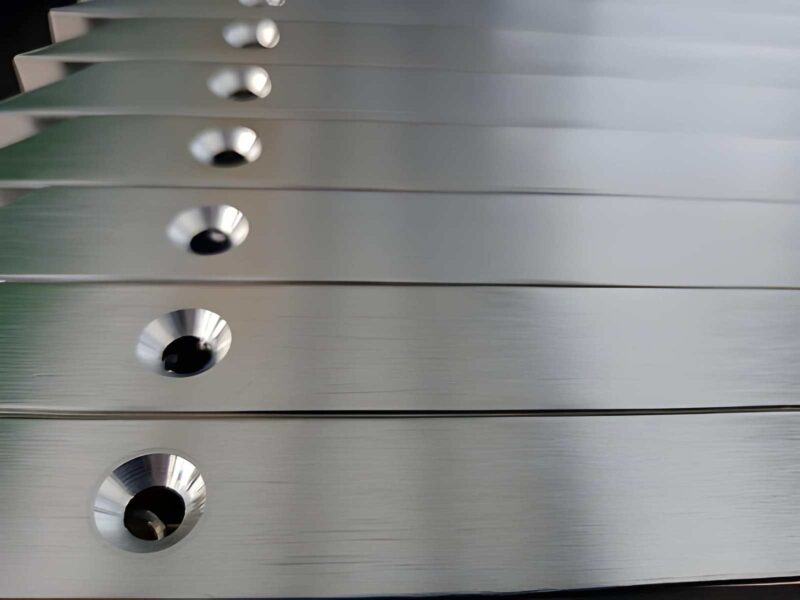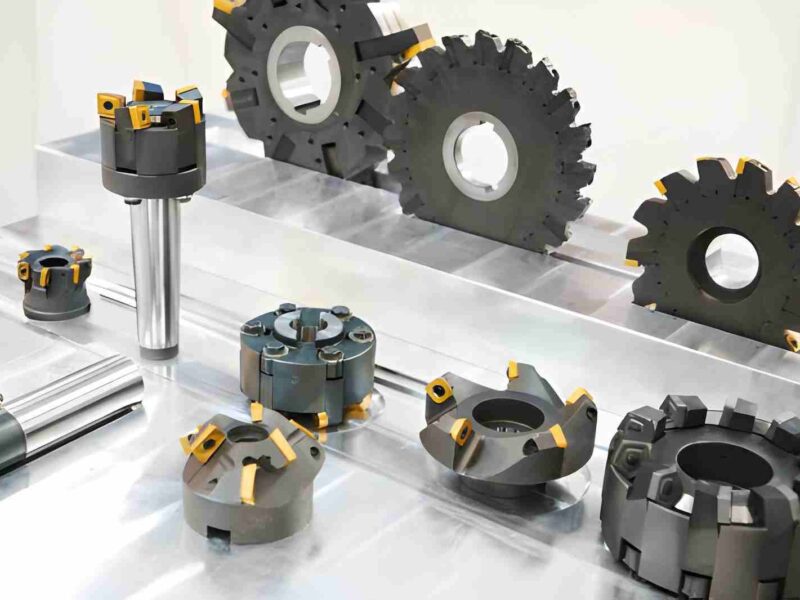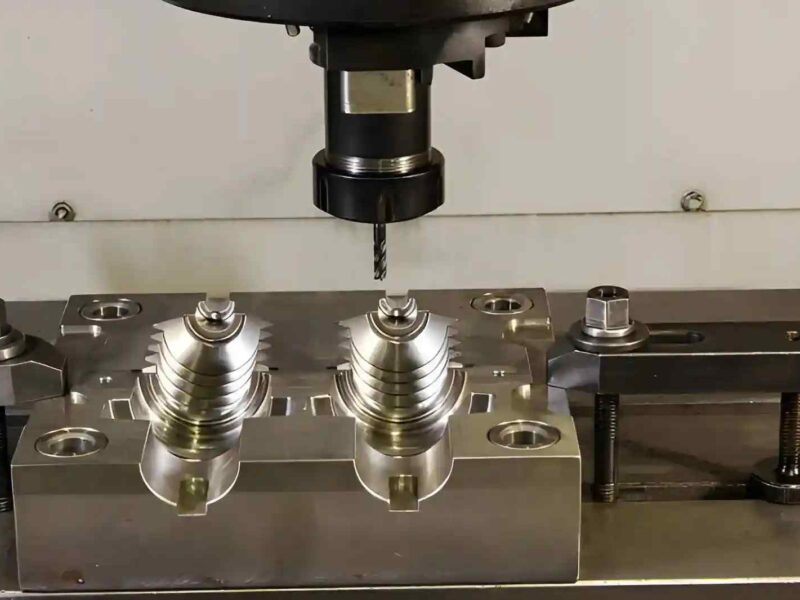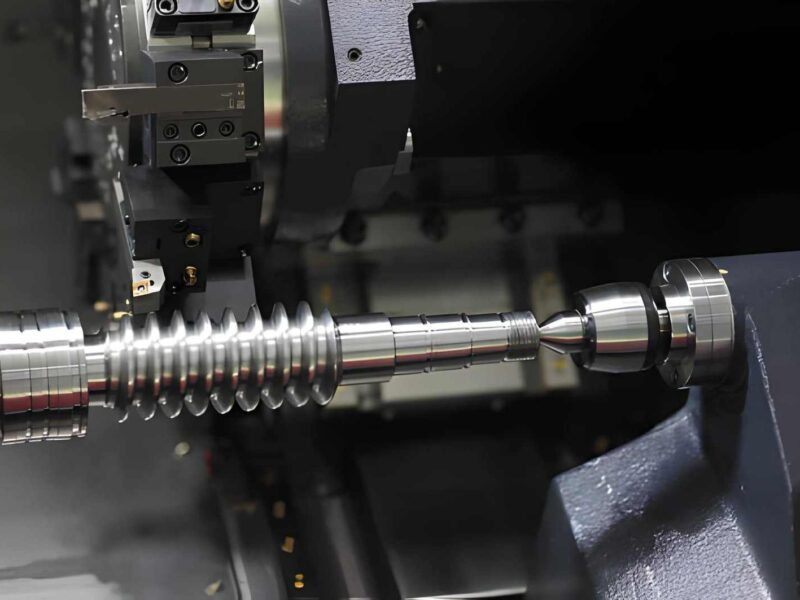
Machining, welding, and forming processes create free iron particles or metal contaminants on the surface of stainless steel, preventing it from having its full natural corrosion resistance. Stainless steel has a thin layer of chrome oxide (Cr₂O₃), which protects against rusting from oxidation because it has the capability to form itself.
However, during manufacturing or fabricating, this passive layer will be compromised, which will allow the product to rust or suffer pitting when exposed to corrosive conditions throughout the life of the stainless steel product. Passivation is the chemical process used to remove metallic contaminants from the finished item.
It will restore the passive chrome oxide to allow for maximization of corrosion resistance. However, it depends on the grade of stainless steel. This documentation outlines passivation processes, parameters, standards of these processes, and application examples used by engineers in the industrial field.
What Is the Passivation of Stainless Steel?
Passivation is a chemical procedure that cleans the surface of a stainless steel part and removes free iron and other contaminating materials. It will create a thin, dense chromium oxide (Cr₂O₃) layer on the surface of the steel that will act as an electrochemical barrier to protect the underlying metal from corrosion in a wet environment. The passive oxide layer of chromium is normally 1-3 nanometers thick and is self-healing, so when exposed to moisture or oxidation, it will regenerate.
Usually, all stainless steel contains at least 10.5% chromium. The chromium will oxidize spontaneously when in contact with oxygen (air), thus forming the passive layer. However, during machining, grinding, or welding of stainless steel parts, free iron particles and other metallic contaminants are deposited on the surface of the steel.
The presence of free iron interrupts the passive layer, resulting in the formation of anodic sites that eventually lead to pitting corrosion and rust. The passivation process chemically removes these contaminants and allows the uniform, continuous passive film on the surface of the steel.
A major difference between passivation and coating is that passivation does not coat the stainless steel but rather cleans the steel so that the chemistry of the steel will work correctly. The process of passivation is defined and controlled by several standards, including ASTM A967/A967M, AMS 2700, and the old military specification QQ-P-35.
The Chemistry Behind Passivation: Why It Works
To understand the reason behind the effectiveness of passivation, we must first examine the electrochemical behaviour of Cr and Fe in a corrosive medium, namely, in an oxidising atmosphere.
In a reactant mixture, Fe readily oxidises when exposed to moisture and oxygen, thus forming Fe(OH)₂ and Fe(OH)₃; otherwise known as ”rust”. Within a stainless steel alloy, however, Cr will preferentially oxidise over Fe, thus forming Cr₂O₃. This oxide forms an oxide layer that is known to be: thermally stable, adherent, and totally not permeable to oxygen-ion diffusion when it is at room temperature.
Throughout the process of manufacturing, alloy surface Cr: Fe ratios decrease due to mechanical abrasion and surface contamination with any Fe. The aim of passivation is therefore to return the surface to a desirable ratio of Cr: Fe. A well passivated surface will have a Cr: Fe ratio of at least 1.5:1, with modern citric-acid-based passivation producing Cr: Fe ratios of 1.7-2.0+, far beyond the minimum requirement of 1.3:1 set by ASME BPE, for pharmaceutical production.
Passivation Methods for Stainless Steel: Nitric Acid vs. Citric Acid
There are two different processes to achieve the passivation of stainless steel: one utilizing nitric acid, and the other using citric acid. Both treatments are defined by ASTM A967, and there are five variations of each type of chemical passivation according to this standard.
Nitric Acid Passivation
Nitric acid (HNO₃) was a top choice for the passivation of stainless steel since it was first demonstrated to effectively enhance the corrosion resistance of stainless steel in the mid-1800’s by chemist Christian Friedrich Schönbein. The process involves treating the stainless steel with a solution of either a dilute or concentrated nitric acid, which serves to remove free iron from the surface of the stainless steel and to activate the formation of chromium oxide.
- For Passivation treatment, the concentration of nitric acid is normally between 20% and 55% of HNO₃, depending on the type of alloy.
- The temperature of the bath is within the range of 70°F (21°C) to 140°F (60°C).
- The time that the stainless steel remains in the nitric acid passivation bath generally varies from a minimum of 20 minutes to a maximum of 2 hours.
- Passivation of stainless steel alloy with high chromium and nickel contents (such as 316L) typically utilizes milder nitric acid than does the passivation of free-machining stainless steels (such as 303).
While nitric acid is a widely accepted method of passivating stainless steel, it has a number of drawbacks. Firstly, it generates hazardous waste (unlike citric acid), produces NOₓ fumes, and requires very strict handling and safety protocols. Nonetheless, due to the significant amount of successful use of nitric acid in aerospace and other military applications for decades, it remains the method of choice for the passivation of stainless steel.
Citric Acid Passivation
As an alternative to Nitric Acid, Citric Acid became commercially possible in the early 1990’s. A primary driver for this was the brewing industry needing a food-safe and less hazardous way to treat stainless steel. By 1990, Citric Acid became an alternative to Nitric Acid for many industrial passivation processes. Currently, Citric Acid Passivation is the preferred process for use in medical, pharmaceutical, and food contact passivation applications.
- Citric Acid is FDA GRAS (Generally Recognized as Safe).
- There are no hazardous fumes; therefore, fume extraction infrastructure is not required.
- Waste disposal costs for Citric Acid are 60%-80% less than the waste disposal costs of Nitric Acid.
- Citric Acid Passivation produces superior Cr: Fe ratios (1.7-2.0+ vs. 1.4-1.6 for Nitric Acid).
- Citric Acid Passivation is effective at relatively low acid concentrations (4-10% by weight) and moderate temperatures.
The following table demonstrates how the two passivation methods (citric acid and nitric acid) compare based on critical engineering parameters:
| Parameter | Nitric Acid | Citric Acid |
| Concentration | 20–55% v/v | 4–10% w/w |
| Temperature | 70–140°F (21–60°C) | 75–160°F (24–71°C) |
| Immersion Time | 20–120 min | 20–75 min |
| Cr: Fe Ratio Achieved | 1.4–1.6 | 1.7–2.0+ |
| Environmental Risk | High (NOₓ fumes, hazardous waste) | Low (biodegradable) |
| FDA/Food Safety | Not recommended | GRAS rated |
| Waste Disposal Cost | High | 60–80% lower than nitric |
| Aerospace/Defense Use | Widely validated | Growing acceptance |
| Medical/Pharma Use | Limited | Preferred method |
Grade-Specific Parameters for the Passivation of Stainless Steel
At the time of performance-based specification, each grade of stainless steel will perform differently in terms of passivation. The alloy’s chemistry will dictate the required acid concentration, bath temperature, and immersion time. If the parameters are not correct, then this will result in over-etching, loss of dimensions, or insufficient passivation.
| Grade | Series | Passivation Method | Concentration | Temp (°F) | Time (min) | Notes |
| 304 / 304L | Austenitic | Nitric or Citric | 20–40% HNO₃ / 4–8% Citric | 70–120 | 20–60 | Standard grade; responds well to both methods |
| 316 / 316L | Austenitic | Nitric or Citric | 20–40% HNO₃ / 6–10% Citric | 70–140 | 20–60 | Mo content improves pitting resistance |
| 303 | Austenitic (free-machining) | Nitric (dilute) | 20–25% HNO₃ | 70–90 | 20–30 | High S/P content; avoid high conc. acid |
| 410 / 416 | Martensitic | Nitric (dilute) | 20–25% HNO₃ | 70–90 | 20–30 | Lower Cr; sensitive to over-pickling |
| 430 | Ferritic | Nitric or Citric | 20–40% HNO₃ / 4–8% Citric | 70–120 | 20–60 | Moderate Cr; no Ni |
| 17-4 PH | Precipitation Hardening | Citric preferred | 6–8% Citric | 90–120 | 30–60 | Hardened state; citric safer for fatigue-critical parts |
The Step-by-Step Passivation Process
Stainless steel passivation provides established methods to create an appropriate rigorous standard of products present in a finished stainless-passive-state, and what may happen if the proper procedures for treating stainless steel are not followed correctly; results will vary tremendously from initial assumptions or expectations.
Step 1: Pre-Cleaning and Degreasing
Before acid passivation, all organic contaminants (oil, grease, machine fluids, or chips) must be removed first. Alkaline cleaning solutions (pH 10-12) or ultrasonic cleaning will remove these materials. The presence of the residual organics will interfere with the acid’s activity and prevent uniformity of the passivation. Additionally, it’s crucial to remove any residual metallic particles.
Step 2: Rinsing
After the completion of each chemical process, a thorough rinse with water is important. The ideal option for rinsing is deionized water (DI) or water that conforms to Type II/III standards. This will help to prevent recontamination by dissolving minerals. If the parts do not receive an adequate rinse, then residual alkali or acid could impinge upon the formation of the passive film.
Step 3: Acid Passivation Bath
During this phase, the components will be immersed in an acid solution (either nitric acid or citric acid) at an appropriate concentration, temperature, and time, which is determined by the grade of material being processed. The acids will remove all free iron and any other anodic surface impurities from the component and leave the chromium matrix behind.
If the components have an intricate design (for example, blind holes or crevices), it is necessary to agitate the acid solutions, as this aids in creating a uniform solution and is also essential for processing complex geometry parts.
Step 4: Post-Passivation Rinse and Neutralization
In order to neutralise any remaining acid from the acetic acid solution on the components, the components will be agitated in deionised water mixed with sodium bicarbonate (2% or 5%) in a neutralising bath. After the component has been agitated in the neutralising bath, it will then need to be rinsed in deionised water.
Step 5: Drying and Inspection
After the rinsing of parts, the drying process starts immediately with clean and dry air or nitrogen to avoid water marks or quick corrosion occurring on the parts. After that, they undergo inspection to ensure the integrity of their passive layer.
ASTM A967 and Applicable Standards for Passivation of Stainless Steel
In all regulated industries, failure to comply with industry standards is unacceptable. The passivation processes for stainless steel use the following standards:
| Standard | Scope | Key Feature |
| ASTM A967 / A967M | Chemical passivation of SS parts — nitric and citric methods | Defines 10 process variants; mandatory acceptance testing |
| AMS 2700 | Aerospace passivation specification | Preferred in aerospace/defense; covers multiple acid types |
| QQ-P-35 (obsolete) | Military specification, superseded by A967 in 2005 | Legacy reference still cited in older drawings |
| ASTM A380 | Cleaning, descaling, and passivation of SS equipment | Broader scope; includes cleaning and descaling |
| ASTM F86 | Medical device passivation (surgical implants) | Specific to implantable-grade alloys |
| ISO 16048 | International passivation standard for fasteners | European/global supply chain compliance |
| ASME BPE | Bioprocessing equipment surface finish | Requires a minimum Cr: Fe ratio of 1.3:1 |
Revisions to ASTM A967 were made at the beginning of 2025 that provided expanded commentary about the materials science of passivation and differentiating passivation from pickling and other chemicals used in the processing of metals. Engineers should evaluate or compare their operations based on previous specifications from 2025 against this updated standard.
Common Defects and Troubleshooting in Passivation of Stainless Steel
Even under well-conducted conditions, there is the potential for the occurrence of defects during a passivation operation. By identifying the root cause of any defect, you can avoid expensive rework and scrap.
| Defect | Likely Cause | Corrective Action |
| Flash rust during/after passivation | Residual free iron; insufficient pre-clean | Improve degreasing; extend acid bath time |
| Copper deposition (Cu sulfate test failed) | Free iron-on surface | Re-passivate with extended immersion |
| Pitting or etching on the surface | Over-concentration or over-temperature | Reduce acid strength; verify bath parameters |
| Inconsistent passive layer (AES) | Low bath agitation; uneven immersion | Add ultrasonic agitation; verify part fixturing |
| Discoloration post-passivation | Inadequate rinsing; residual acid | Implement DI water rinse; add neutralization step |
| Passivation failure on free-machining grades (303) | High sulfur/phosphorus content disrupts the passive film | Use dilute nitric acid; shorter immersion time |
Industry Applications of Passivated Stainless Steel
Passivation for stainless steels is a multi-industry process – virtually all engineering sectors require corrosion resistance, cleanliness, and longevity as part of their design considerations.
Medical Device and Implant Manufacturing
Surgical instruments, orthopaedic implants, and catheter components made from either 316LVM or 17-4PH stainless steel need precision passivation per the standards of ASTM F86 and AMS 2700.
Ultrasonic-assisted citric acid passivation is the standard for passivating complex geometries in implants. The passive layer must be free of particulates that could lead to inflammatory responses in biological tissue.
Aerospace and Defense
Hydraulic fittings, fasteners, valve bodies, and structural brackets in aerospace assemblies need passivation as per AMS 2700 or ASTM A967.
Nitric acid passivation is still widely validated in this industry; however, citric acid passivation usage is on the rise. Stress corrosion cracking (SCC) resistance is considered a critical parameter since the passivation process reduces the anodic dissolution rate that drives the initiation of SCC.
Food Processing and Pharmaceutical
Stainless steels that are in contact with food or pharmaceutical products must meet strict cleanliness levels. ASME BPE requires minimum Cr: Fe ratios of 1.3:1 on wetted surfaces.
Passivation with citric acid is the most common process for this application since it is recognized as GRAS (Generally Recognized as Safe) by the FDA and provides a much better surface chemistry than the other methods. CIP (clean in place) systems and bioreactor vessels are typical targets of passivation.
Oil, Gas, and Chemical Processing
Subsea valves, heat exchanger tubes, and chemical reactor internals all function in extremely corrosive (chloride environments), significantly increasing the likelihood of these components experiencing pitting and crevice corrosion as their main mode of failure.
Duplex & super-austenitic passivated grades (e.g., 2205 and 904L) will yield much longer service lives than non-passivated materials in these aggressive environments. Passivation retards or restores a passive film that was damaged during fabrication and welding.
Passivation vs. Pickling vs. Electropolishing
The differences between these three types of procedures are often confused by project Engineers; therefore, it is critical to understand the differences in order to properly specify the correct treatment process.
| Process | Mechanism | Material Removed | Primary Purpose | Dimensional Impact |
| Passivation | Chemical dissolution of free iron; passive film regeneration | Contaminants only (no base metal) | Corrosion resistance restoration | Negligible (<0.0001″) |
| Pickling | Strong acid attack (HNO₃ + HF mix) dissolves scale and heat tint | Surface oxide scale + some base metal | Scale and weld oxide removal | Moderate (measurable) |
| Electropolishing | Anodic dissolution removes a precise microthickness of base metal | 0.0001″ to 0.001″ of base metal | Surface finish improvement + corrosion resistance | Controlled removal |
When part dimensions are critical, passivation provides the best option for maintaining part dimensions within specification tolerances. In contrast, electro polishing produces a better surface finish as well as increased resistance to corrosion because it can eliminate any defects on the surface, such as burrs, micro-cracks, and inclusions – deficiencies that passivation cannot correct.
Conclusion
The passivation of stainless steel is a highly technical and chemistry-dependent process that defines whether a given stainless steel part will function as intended throughout its lifecycle.
Cleaning is only one part of passivating stainless steel parts; passivation is much more important than just being a cleaning process; it is a critical operation on the applied surface that creates the quality of the chromium oxide layer, the quality of the Cr: Fe surface ratio, and the quality of the long-term ability to resist corrosion in aggressive environments. Industries that demand the highest levels of quality view passivation as an inherent, rather than optional.
At Premium Parts, we utilize exceptional levels of passivation protocols to passivate all components manufactured from stainless steel. We ensure complete compliance with ASTM A967, AMS 2700, and customer-specific requirements for passivation. Whether you require precision medical-grade passivation or high-volume industrial passivation, our engineering staff will produce and provide you with validated and documented results on which you can depend.