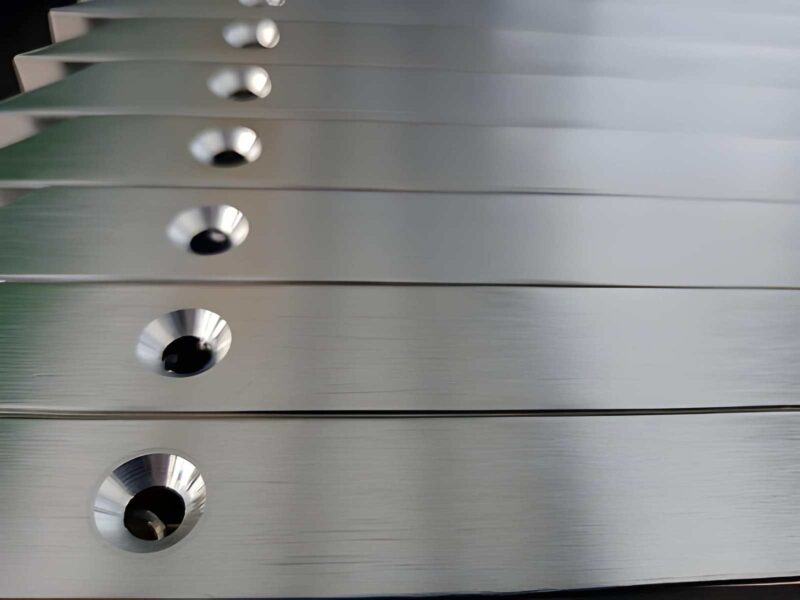
Sheet Metal Materials are thin, flat pieces of metal used in many products. Its use is common in machine parts, tools, vehicles, and building parts. They can be easily designed and shaped, cut, and joined, which makes them useful in many industries.
Different sheet metals have different properties. Some are light, some are strong, and others resist rust. Common types include aluminium, steel, stainless steel, copper, and brass. Selecting the right material depends on part features, design intricacies, and its intended use.
Making sheet metal is a step-by-step process. It starts with melting metal, then shaping it into thin sheets through rolling. After that, the metal is heat-treated and coated.
In this article, we’ll explore different sheet metal materials, their classification, uses, and the reasons for their importance in the modern industrial world.
What are the Sheet Metal Materials?
Metal can be purchased in various shapes and forms, including sheet metal, bars, plate stock, etc. Usually, sheet metal comes with a thickness between 0.5 and 6 mm. Still, multiple measurement systems are used to classify metals according to their thickness.
Millimetres, mils, and gauge
Foils, plates, and sheets are forms of raw metal stock. The difference lies in their thickness. There are three common units of measurement to measure sheet metal thickness:
- Millimeters
- Mils, and
- Gauges
Millimeters (mm): It is the standard unit of measurement.
Mils and Gauge: These are often used in engineering and industrial contexts.
Let’s take a case: The measurement of one mil is equal to one 1000th of an inch. It can be a little confusing because the British use “mil” as a plural for millimetre.
Another measure of sheet metal thickness is gauge. Gauges are no longer widely used and are discouraged in certain industry standards. Regarding its weight per square foot, the thinner the metal, the higher its gauge number.
Types of Sheet Metal Materials
It’s imperative to understand that there is a variety of materials with their strengths, so choosing the right sheet metal is essential.
Aluminum
Aluminum has many superior features like lightweight, good strength, and rust resistance. The material is heavily used in various manufacturing applications.
Aluminum features high heat and electrical conductivity. Usually, grade 1100 offers outstanding workability and corrosion resistance. These characteristics make it suitable for lines connecting gearboxes and power plants.
Grade 3003 is best for general use. It has moderate strength and performance. While grades 5052 and 6061 are commonly used in heat exchangers and culinary utensils. Among these two grades, aluminum 5052 offers a strong yet easy-to-shape and weldable material.
Steel
Steel is 1 and 3rd times stronger than aluminum. Manufacturers extensively fabricate structural needs, including building construction, bridge building, and automobile parts, out of steel. Some of the common types of steel include:
- Cold Rolled Steel (CRS): This steel is rolled at room temperature (25 degrees Celsius). It has a uniform surface and tight thickness tolerance. It’s good for parts that demand a clean finish, like home appliances and car panels.
- Hot Rolled Steel (HRS): Hot rolled is rolled at high temperatures. It’s comparatively affordable but has a rough surface. It’s often used for structural parts and where looks don’t matter.
- Galvanised Steel: Steel is galvanized by adding a layer of zinc to avoid rust. These galvanized products are used outdoors for ductwork, roofing, and fencing.
- Stainless Steel: This steel resists rust and stains. It’s strong, shiny, and used in kitchens, medical tools, and clean environments.
- High Strength Low Alloy Steel (HSLA): HSLA steel is strong but lighter than standard steel. It’s used in cars and heavy equipment where strength and weight both matter.
- Copper and Brass: Brasses with lower zinc concentration are easier to cold work, weld, and braze. A high copper concentration allows the metal to form a protective oxide coating (patina) on its surface, thereby preventing further corrosion. This patina produces a highly attractive aesthetic effect, commonly found in architectural or consumer-facing objects.
Methods of Making Sheet Metal
Sheet metal materials are transformed into useful products by following many steps. Initially, the metal is taken out and purified. Then, it is rolled into thin forms of sheets. These sheets are then treated to make desired parts or products.
Cutting
Sheet metal is worked on using a range of tools, especially those intended for fabrication. Here are some common means of cutting sheet metal materials.
- Laser Cutting: Laser cutting is a frequently used technique in sheet metal fabrication. It involves a laser cutter that is capable of cutting through thin to medium sheet metal. However, it presents certain challenges in cutting rigid and large-thickness materials. Cutting is accommodated by amplifying a laser with a lens or a mirror.
- Water Jet Cutting: Water jet cutting employs high-pressure water jets mixed with abrasive materials. It does not cause the metal to melt or become visibly deformed; it is ideal for cutting low-melting metals.
- Plasma Cutting: The process uses a channel of ionized gas to cut thick sheet metal easily. It is a comparatively fast, efficient, and affordable process. However, it is not as precise as laser and waterjet cutting.
These three above-mentioned techniques are commonly used for sheet metal materials, although there are other techniques also available.
Sheet Metal Bending
Sheet metal bending does not involve cutting. It is accompanied by presses and a brake machine. The process allows for bending sheet metal into V, U, and channel shapes at angles of up to 120 degrees.
Sheet Metal Forming
Sheet metal forming shapes complex forms into useful parts using deep drawing, where the metal is stretched into a die. The method is the right fit for shaping high-detail and complex feature products.
Welding and Assembly
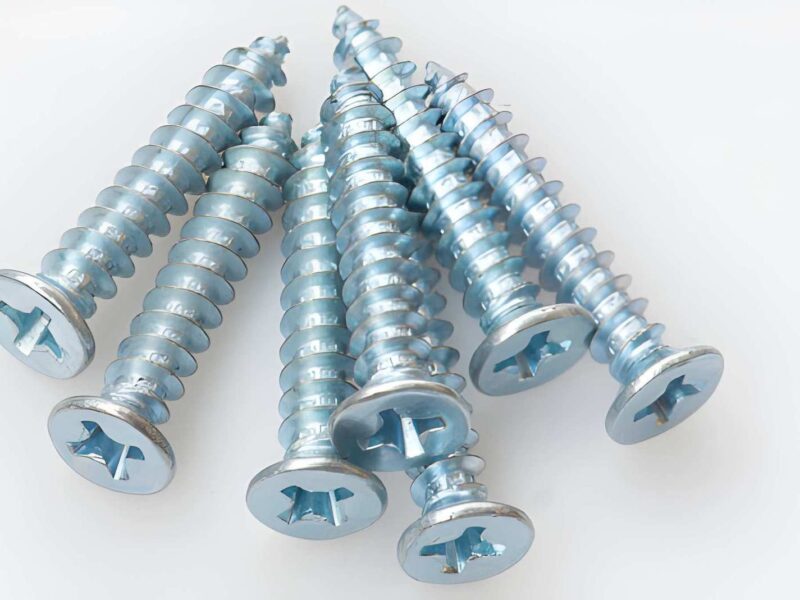
Assembling components with bolts, screws, and rivets is a crucial stage in the manufacturing process. Other sheet metal manufacturing methods, such as punching, can be customised to produce rivets and other fasteners.
Welding is another method of uniting two parts together. In welding, the melted metal from both parts joins together. It results in forming a solid bond. For some specific welding types, like arc or electron beam, use other materials instead of steel and aluminum.
Sheet Metal Materials Applications Across Different Industries
Manufacturers can improve product quality and lower operating costs by utilizing adaptable sheet metal material and modern machine tools. Here are some common applications of sheet metal.
Automotive
Automakers can fabricate body and structural components for automobiles. In general, aluminium is becoming more popular in automotive parts applications. The reason, it is naturally lightweight. This makes it easier to transport. While steel durability makes its use form frame work.
Construction
Sheet metal materials are widely used in roofing, cladding, and structural framing. Steel is stronger and used in ductwork, staircases, railings, support brackets, and plates, while aluminium is used in siding and roofing.
Aerospace
The aerospace industry requires strong and lightweight components. These include fuselages and wings. These parts are usually made of aluminium. This makes aircraft lighter while maintaining strength, and improves fuel efficiency.
Electronics
Sheet metal is used to make electrical enclosures, control panels, battery housings, mounting brackets, heat sinks, chassis frames, cable trays, and EMI shielding covers. Copper is frequently used for efficient power transfer as it has superior electrical conductivity. Sheet metal materials can be recycled, which helps promote sustainability.
How to Choose a Suitable Sheet Metal Material for Your Application
Choosing the right material for the sheet metal is crucial for every industrial project. You need to consider material cost, its properties, and the actual use case, whether it will be used in normal conditions or if it needs to perform under harsh circumstances.
Application-Specific Considerations
For heavy-duty items, like structural supports and machines, steel is a go-to option. Aluminium, on the other hand, is often chosen for low-weight situations. For example, it is optimum for car and airplane parts where lightweight characteristics matter. In salty or chemical environments, you require highly resistant materials like stainless steel or aluminum.
Balance Cost & Performance
When choosing a sheet metal material, it’s imperative to strike a balance between cost and performance. Steel is more economical than aluminum.
While aluminum’s weight properties make it suitable for applications that require weight reduction, but adds cost. Although corrosion-resistant stainless steel costs more, it may be a superior long-term investment.
Key Takeaways
Sheet Metal Materials are widely used in many industrial sectors. They provide flexible, durable, and economical products at scale. However, understanding their advantages and properties is crucial when creating an automobile, skyscraper, or electronic components.
Considering the actual application’s needs and balancing cost and performance, you can make a wise material choice for your project. It leads to more effective products, with minimal budget being spent, and maximizing the overall efficiency.
FAQs
Q1: How are aluminum and steel sheet metals different?
Aluminum is lightweight and does not rust. So, it is most suitable for weight-conscious industries, such as the automotive and aviation sectors. Steel is stronger and more durable. This makes it an excellent choice for structural and heavy-duty applications, like building and machinery. Although aluminium costs more than steel, it is more appropriate for specific applications due to its unique properties.
Q2: How does sheet metal thickness affect its use?
Thicker sheet metal remains stronger. They are used for heavy parts like frames or supports. On the other hand, thinner sheet metal is lighter and easier to bend. So, it’s better for covers or small parts.
Q3: Which Sheet Meta Materials are recycled?
Yes, sheet metal can be recycled. Materials like aluminium, steel, and copper are melted down and reused. Recycling helps save energy, reduces waste, and lowers the need for raw materials.