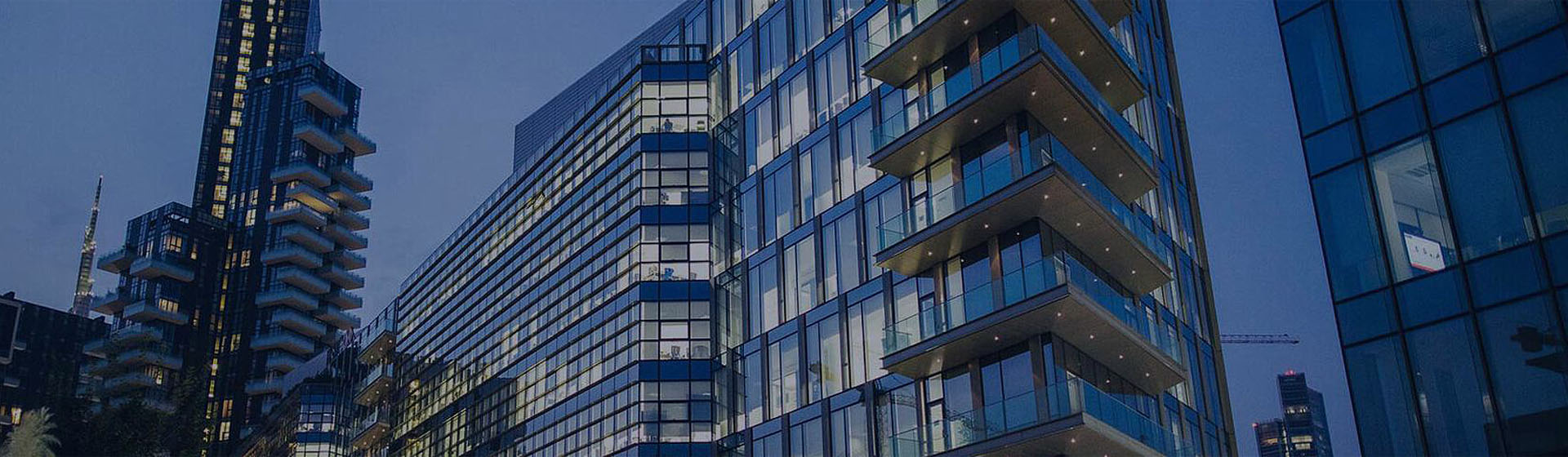
Many aluminum products look the same when they leave the factory, but their appearance can change very differently after months or years in service. An outdoor lighting housing, solar mounting component, or building facade panel may spend its entire life under direct sunlight. In these conditions, color fading and surface aging often become bigger concerns than corrosion itself.
This is why manufacturers do not always use the same anodizing process for every aluminum part. A finish that performs well on indoor electronics or equipment housings may not provide the same long-term appearance when exposed to constant UV radiation and weather.
General anodizing is widely used for everyday industrial and consumer applications. It improves corrosion resistance and surface durability at a reasonable cost. Anti-UV anodizing is typically chosen when long-term color stability and outdoor performance are higher priorities.
The difference may seem small during production, but it can have a significant impact on how aluminum parts look and perform after years of outdoor exposure.
In this article, we compare general anodizing and anti-UV anodizing, including their characteristics, applications, and key differences.
What Is General Anodizing?
General Anodizing is a surface treatment that thickens the natural oxide layer on a metal’s surface: in an electrochemical reaction, electricity is employed to form a coating from aluminium dipped in acid. This produces a thick layer of aluminium oxide on the material’s surface.
Unlike coating or painting, this layer does not stick to the surface; rather, it transforms the surface itself. It makes the surface harder, enhancing corrosion resistance and reducing potential scratches.
Since the thickness of the coating varies between 5 and 25 mm, it makes the material much more durable without compromising its weight. It also gives the material thermal and electrical insulation properties.
What Makes General Anodizing So Popular?
General anodizing has become the go-to surface treatment across many industries. It is a highly adaptable, precise, and cost-effective method that offers both protection and a visual appeal for the metal parts, especially aluminum components.
After anodizing, the surface becomes porous enough to absorb dyes, offering a greater aesthetic feasibility. This results in a surface finish that does not peel, flake off, or chip easily. It is also a very economical and scalable process, allowing for high-scale production at minimized cost. Similarly, it is very environmentally friendly as it does not use any toxic coatings or chemicals.
However, it is mostly preferred for indoor environments because anodized surfaces fade over time when constantly exposed to sunlight.
General Anodizing: Features That Make it Special
Discussed below are features that make general anodizing preferable:
1. Strong Corrosion Resistance
General anodizing helps protect metals, especially aluminium, from corrosion. The anodized oxide layer acts as a protective shield between the metal and external conditions. Moisture, humidity, and toxic substances are three examples. This resistance increases the life span of metal parts.
2. Greater Surface Strength
Anodizing strengthens the surface of metal parts without affecting their overall shape or structural integrity. Since the resulting oxide layer is much harder, it protects against any potential scratches, dents, and everyday wear and tear. This makes anodized material perfect for high-friction and high-touch environments such as hardware, tools, or consumer gadgets.
3. Range of Colors
After general anodizing, the surface becomes porous and can absorb dyes to give the material a color. Since the color is technically sealed into the coating, it becomes long-lasting and more durable because it is hard to peel off. Therefore, you can work with any choice of colors.
4. Thermal and Electrical Insulation
Anodized coatings perform well under high temperatures; they aren’t completely fireproof, but they help with thermal insulation. Similarly, since the coating is non-conductive, it also provides electrical insulation. This makes general anodizing particularly ideal for aerospace, electronics, engine components, cookware, etc.
General Anodizing: Practical Industrial Applications
1. Architecture and Construction
General Anodizing is widely employed to help with construction and architecture, particularly for things like window frames, doors, railings, curtain walls, etc. An anodized coating adds a sleek finish to aluminium parts, making them capable of bearing all environmental conditions. They become resistant to rain, hail, pollution, etc. Additionally, the ability to customise colors also helps designers achieve their functional and aesthetic goals.
2. Automotive and Aerospace
In the Automotive and Aerospace industries, general anodizing is particularly useful for lightweight metal parts. It makes them last much longer by adding a protective coating. However, no unnecessary weight is incorporated into the component. It helps avoid scratches, corrosion and reduces daily wear and tear that comes from everyday use or high-altitude flights.
3. Marine Equipment
Marine environments give metal parts a constant exposure to saltwater and moisture. General anodizing enables protection against rust corrosion in these circumstances. Although anti-UV anodizing is more suitable, general anodizing also helps protect components. For example, marine enclosures, ladders, boat rails, etc.
4. Electronics
General anodizing is the preferred surface treatment for consumer electronics. For example, laptops, smartphones, power banks, and earphones. It provides electrical insulation where needed, protecting against potential short circuits. Additionally, the technique also helps reduce scratches, dents, and peels, giving the product a refined look.
5. Homeware and Cookware
Anodized coatings help cookware like frying pans, baking tins, and pressure cookers maintain a strengthened surface without incorporating any toxic coatings. Additionally, it adds heat resistance and electrical insulation, which helps prevent accidents.
General Anodizing: Benefits Explained
- Durability: Anodizing results in a hard, protective oxide layer. It helps avoid corrosion and surface damage. This helps metal parts last longer.
- Low Maintenance: The anodized layer is part of the aluminum surface, so it does not peel or flake like paint. In most applications, only basic cleaning is needed to maintain appearance.
- Cost-Effective: General anodizing provides corrosion resistance and surface protection at a relatively low cost. Its long service life also reduces the need for frequent refinishing or replacement.
- Environmentally Friendly: The process does not employ any toxic materials, and neither does it result in a safe, non-toxic finish.
- Customization: The porous surface absorbs dyes easily, allowing customization with any color.
What Is Anti-UV Anodizing?
When metal parts are exposed to sunlight, UV rays, or outdoor conditions for extended periods, general anodizing no longer works efficiently. Anti-UV anodizing becomes necessary in such situations.
Anti-UV anodizing builds a thicker and stronger oxide layer. Roughly, you can achieve a thickness of about 20-30 mm. The layer acts like a stronger protective shield against UV radiation and alternating weather conditions. This is particularly important for industries like architecture, aerospace, and marine, and aids extensively in solar energy applications.
Anti-UV Anodizing: Features That Make it Special
1. Thicker Coating
Anti-UV anodizing results in a denser oxide layer on metal surfaces. This offers better environmental protection, corrosion resistance, and mechanical strength. Since the oxide layer is hard to penetrate, it makes the metal parts more durable.
2. UV Resistance
This type of anodizing specially caters to the harmful effects of sunlight; it uses special sealing techniques to block the entry of UV-rays into the surface. As a result, it helps avoid any potential damage to the structure of a part.
3. Durability
Due to UV resistance and thicker coating, the metal parts can resist scratching, denting, and everyday surface damage much better. This reduces the need for frequent maintenance, aiding both a longer lifespan and cost-friendly solutions.
4. Heat Tolerance
Anti-UV coatings are designed to perform better in higher temperatures. The layer does not deteriorate. Rather, it stays intact. This makes the process ideal for components like solar frames, electrical housings, etc.
Anti-UV Anodizing: Applications
1. Solar Energy Equipment
The frames, mountings, and brackets that hold solar panels are exposed to sunlight and changing weather conditions all the time. Anti-UV anodizing helps ensure that the structure and appearance of components don’t deteriorate with time.
2. Architecture and Construction
Anti-UV anodizing protects components like window frames, curtain walls, sun shades, etc. it helps avoid corrosion and color fading. Thus, they’re able to withstand humidity, severe sunlight, and varying temperatures without affecting their dimensional structure.
3. Automotive and Transportation
Automotive components, for example, handles, roof racks, and panels, face constant heat and UV radiation. Anti-UV anodizing enhances their durability, making them stronger without adding any unnecessary bulk weight.
Anti-UV Anodizing: Benefits Vs Limitations
Benefits
- Durability: Especially in outdoor and high-stress environments, metal parts can last longer due to stronger resistance to corrosion and UV rays.
- Low Maintenance: With less peeling, chalking, and flaking, the parts do not require as frequent upkeep. Thus, reducing the maintenance costs.
- Color Retention: Contrary to general anodizing, metal parts are able to maintain their vibrant colors for much longer periods without any fading.
Limitations
- Higher Cost: Anti-UV anodizing generally costs more because it requires a thicker protective layer and tighter process control to achieve long-term outdoor performance.
- Longer Production Time: Additional treatment and sealing steps can extend processing time compared to standard anodizing, especially for parts requiring enhanced color stability and weather resistance.
General Anodizing Vs Anti-UV Anodizing: Differences Explained
1. Coating Thickness
- General Anodizing typically forms a 5 to 25 mm thick coating, which is suited to indoor or mild outdoor applications.
- Anti-UV anodizing can make a thicker coating, varying between 20 and 50 mm. It can withstand harsher outdoor applications.
2. UV and Corrosion Resistance
- General Anodizing offers a reliable corrosion resistance and moderate UV resistance.
- Anti-UV anodizing gives enhanced UV and corrosion resistance due to its sealed oxide layer. It helps avoid fading, discoloration, or surface breakdown.
3. Coating Type
- General anodizing results in a porous oxide layer that is good for dye absorption, but makes it less resistant to extreme conditions.
- Anti-UV anodizing results in a sealed and denser oxide layer that protects against all extreme conditions.
Conclusion
Which type of anodizing best suits you depends on your project requirements. Prefer general anodizing for indoor applications, as it gives cost-effective, yet the required protection against corrosion and daily surface damage.
However, choose anti-UV anodizing for outdoor environments that are constantly exposed to sunlight and UV rays. It protects the surface finish, functionality, and structural integrity of metal components even in harsh environments.
If you’re still confused about which method to go for, reach out, and let Premium Parts help you make your decision.
FAQ’s
Q1: Is general anodizing resistant to UV radiation?
General anodizing can tolerate normal outdoor exposure, but it is not specifically designed for long-term UV protection. Over time, continuous sunlight may cause some colors to fade or change appearance. For products that remain outdoors for many years, anti-UV anodizing is usually the better choice.
Q2: What materials can be anodized?
Aluminum is the most commonly anodized metal because it forms a stable oxide layer and offers a wide range of finish options. Other metals, including titanium and magnesium, can also be anodized, although the process and results differ from aluminum anodizing.
Q3: Does anodizing affect the dimensions of a metal part?
Yes. Anodizing adds an oxide layer to the surface, which slightly increases part dimensions. The change is usually very small, but it can be important for precision components, threaded features, and tight-tolerance assemblies where coating thickness must be considered during design.
Q4: Which is more suitable for outdoor products?
For products that will spend years exposed to sunlight, weather, and UV radiation, anti-UV anodizing is generally the preferred option. It is designed to maintain color and surface appearance for a longer period than standard anodizing in outdoor environments.