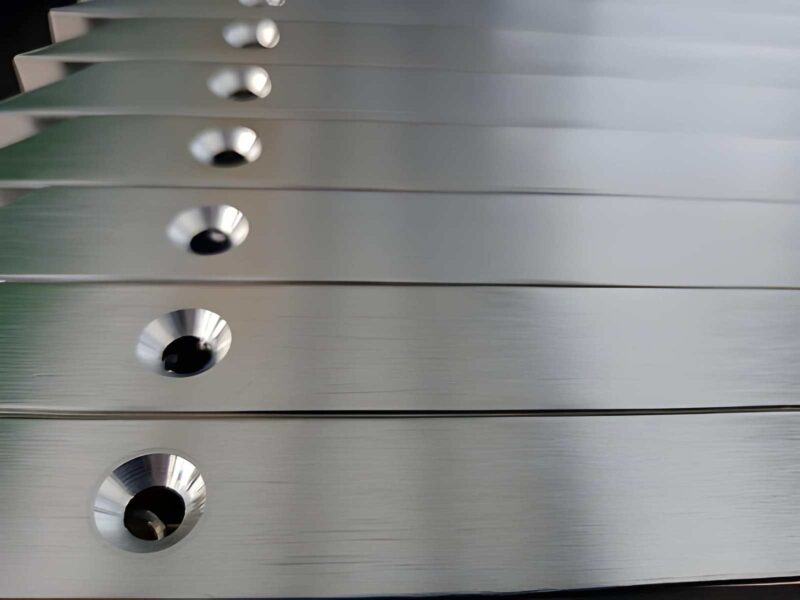
When you think of bronze, you might picture old coins or decorative artifacts. However, bronze also plays an important role in precision CNC machining. It supports accurate operations, delivers reliable performance, and offers the durability needed for high-precision components.
Bronze machining isn’t straightforward. The material behaves differently depending on its composition. You might get perfect results one day and struggle the next. Chips don’t break cleanly as they do with steel. Your tools wear faster than expected.
During extended machining operations, heat can accumulate rapidly and affect cutting performance. Surface finish quality may begin to deteriorate unexpectedly, even when the process initially appears stable.
Feed rates and cutting parameters that previously delivered consistent results may no longer perform as expected due to changes in tooling conditions, material variations, or heat buildup. Many machine shops encounter these challenges only after experiencing unnecessary scrap, tool wear, or production delays.
We’ve solved these problems through years of trial and error. This guide shares what actually works on the shop floor. You’ll get practical cutting speeds for real-world applications. The coolant methods here prevent the most common failures.
What Is CNC Machining Bronze?
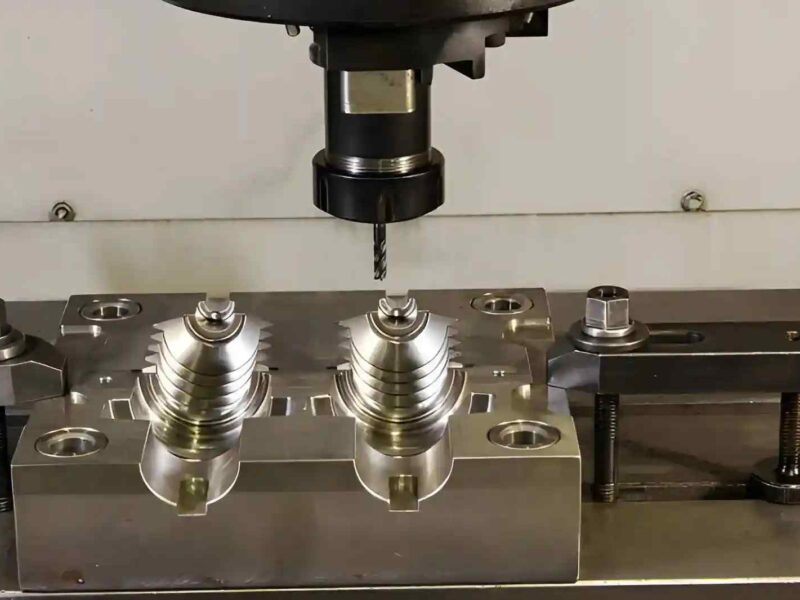
CNC machining bronze means using computer-controlled machines to cut and shape bronze parts. Milling, turning, or drilling operations are used to remove material. A CNC machine makes precise parts by following programmed instructions. Bronze is an alloy of copper and other metals that requires specialized machining methods.
When cutting, the material acts differently from steel or aluminium. Bronze is softer and more flexible than most other metals. If cutting speeds are not properly controlled, bronze can stick to the cutting tools, and because it conducts heat quickly, effective heat management becomes essential during machining.
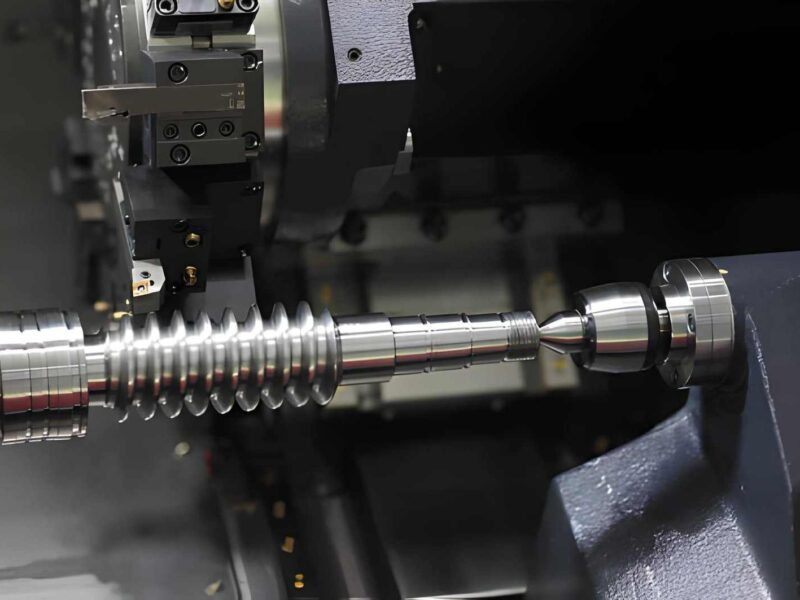
You can make cylindrical bronze parts, such as bushings, with CNC lathes. CNC mills can make both flat surfaces and complicated three-dimensional shapes. The computer control makes sure that every part is exactly what it needs to be. It is possible to consistently get tolerances down to thousandths of an inch.
Bronze machining serves industries that need corrosion-resistant components. Marine applications rely heavily on bronze parts for saltwater exposure. Bearings and bushings use bronze for its low-friction properties. Musical instruments often feature precision-machined bronze components for tonal quality.
CNC Machining Bronze Process Stages
CNC machining bronze requires careful planning and precise execution. Each stage of the process plays a critical role in achieving accurate dimensions, smooth finishes, and reliable part performance.
Material Selection and Preparation
The first step is to pick the right bronze alloy for your needs. Different grades of machines work differently depending on how much tin they have. In most cases, phosphor bronze cuts more cleanly than aluminium bronze. The material comes as bar stock, plate, or custom blanks.
Before machining, check your bronze for surface flaws or inclusions. Get rid of any oils or dirt that make cutting harder. Check the stock’s measurements to make sure they match what you need.
CAD Design and CAM Programming
The first step in making your part is to use CAD software to get the exact measurements. The 3D model spells out all the features and tolerances that are needed. You send this design to the CAM software, which makes the toolpath. The CAM program figures out how the machine will cut the bronze.
Choose your cutting settings based on the bronze grade. Set up the tool to do different tasks, like drilling or milling. The CNC machine reads the software G-code. Before any cutting happens, the simulation finds possible collisions.
Workholding and Machine Setup
Put the bronze in a vice, chuck, or fixture that is strong enough to hold it. The workpiece can’t move while you’re cutting it, or the measurements will be wrong. Indicate the material to set your zero reference points. Put the right cutting tools into the machine’s tool changer.
Set the correct tool offsets so the machine accurately recognizes each tool’s position, and apply cutting fluid to the work area before starting to ensure smooth and efficient machining. Ensure the spindle speeds match the programmed settings before starting the machining process. A good setup stops crashes and makes sure parts are accurate.
Roughing Operations
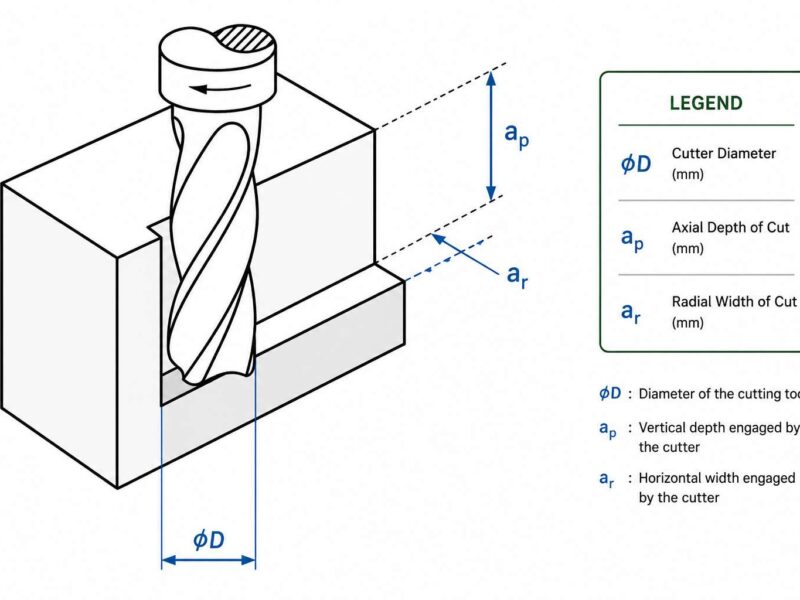
Roughing quickly gets rid of most of the extra bronze material. During this stage, you use deeper cuts and higher feed rates. The goal is to remove material, not to improve the quality of the surface finish. Chips should be able to leave the tool easily without getting stuck.
Check the spindle load to make sure you’re not putting too much stress on the machine. Change the feeds if the material starts to squeak or chatter. Roughing usually gets rid of 80 to 90 percent of the waste.
Finishing Operations
Finishing cuts give your part its final size and surface quality. You cut down to just a few thousandths of an inch. To better control the surface finish, the feed rates are slowed down. Sharp tools are necessary because dull edges smear bronze instead of cutting it.
Instead of one heavy finish cut, make several light passes. As you get closer to the final size, check the dimensions often. When cutting, the thermal expansion of bronze changes the measurements. Before taking final measurements for quality control, let the parts cool down.
Inspection and Quality Control
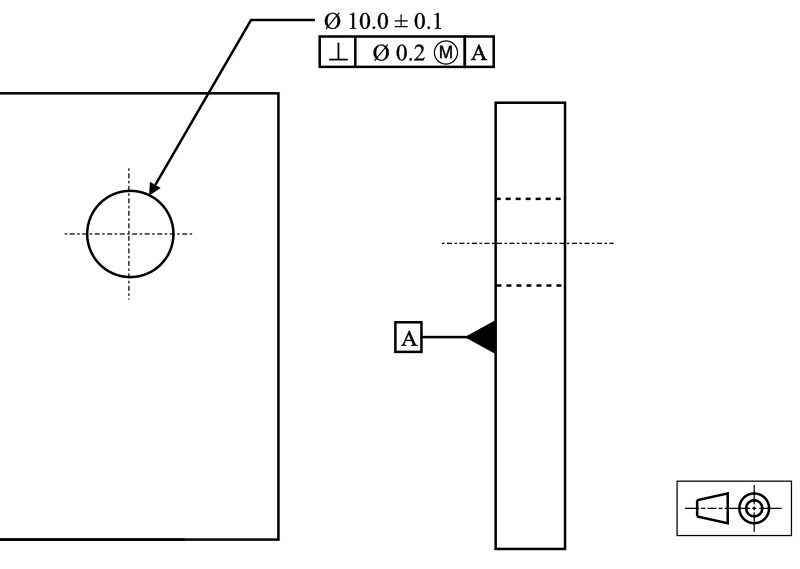
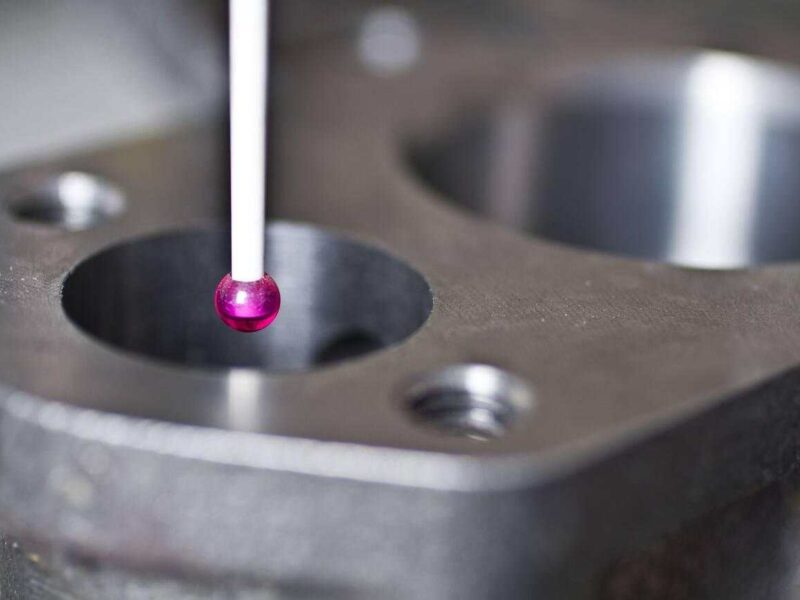
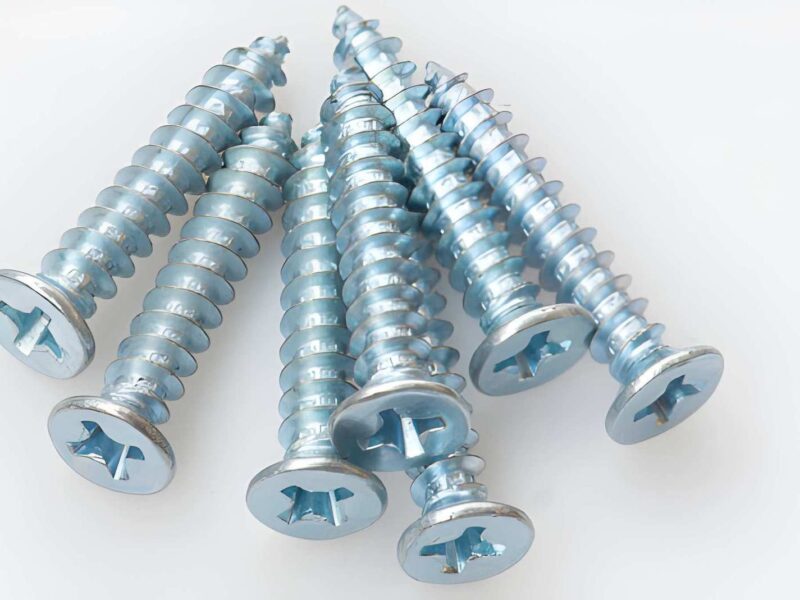
Use callipers, micrometres, or CMM tools to measure important dimensions. Check your real measurements against the drawing specifications. Use a profilometer or a visual inspection to check the surface finish. You need to test the threads with a gauge to make sure they fit right.
Write down any measurements that are outside of the acceptable ranges. Depending on how the part works, small changes might be okay. Rejected parts help you change the programming for the next time you run it. Regular inspections find problems before they turn into costly mistakes.
Common Bronze Parts Machined from CNC Machining
Bronze is widely used to manufacture durable and high-performance CNC components. Some of these precision-machined parts across industries are listed below.
Bearings and Bushings
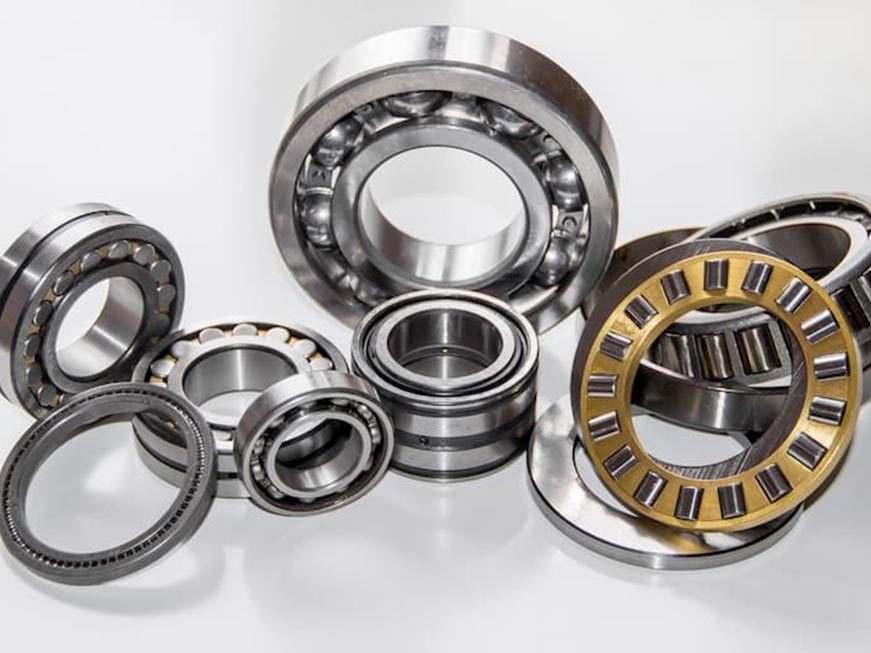
Bronze bearings help rotating machines carry heavy loads. Because the material is self-lubricating, it naturally lowers friction. CNC lathes always make precise inside and outside diameters. For the shaft to fit properly, tolerances must be tight.
Bushings are used in cars, planes, and industrial equipment. The bronze composition changes depending on the load needs. Phosphor bronze is good for things that don’t need to move too fast. Aluminium bronze can handle more stress and heat.
Marine Hardware Components
CNC machining is needed for propellers to make sure the blade geometry is balanced. Bronze is better at resisting corrosion from saltwater than stainless steel. For smooth water performance, each blade must be exactly the same. Five-axis CNC mills make complicated propeller curves with precision.
Silicon bronze is used to make boat parts like studs and fairleads. The material stays strong even after being in saltwater for years. CNC machining makes sure that the threads are good so that they can be securely mounted. The finish on the surface is important for both looks and function.
Valve Bodies and Pump Components
Bronze is used in industrial valves because it is resistant to chemicals and lasts longer. CNC mills make internal passages with very specific flow patterns. The quality of the thread affects the strength of the seal and stops leaks. In tough processing environments, bronze valves last for decades.
Bronze is good for pump impellers and housings. The material can handle rough slurries without breaking down quickly. CNC turning makes balanced impellers and cuts down on vibration. Clearances between moving parts need to be accurate to within a micron.
Electrical and Electronic Connectors
Bronze connectors carry electricity and don’t rust. CNC Swiss machines make small connectors that fit very tightly. Spring contacts require specific bronze alloys to maintain proper tension, and surface plating is often applied after machining to improve conductivity.
Bronze is used in terminal blocks and bus bars to carry current. The material can still conduct electricity even when it’s hot. CNC milling makes precise holes for mounting and contact surfaces. These parts are used every day in cars and factories.
Musical Instrument Parts
CNC spinning operations shape bronze blanks into cymbals. The tonal qualities of the cymbal depend on the alloy used. A change in thickness changes the sound quality and the way it resonates. Precision machining produces consistent, professional-grade instruments with reliable quality every time.
Yellow brass bronze is often used to make trumpet and trombone parts. For valves to work smoothly, their casings need to be very tight. When you use CNC turning, the pistons fit together without sticking. The finish on the surface has a direct effect on sound quality and airflow.
Gears and Worm Wheels
In gearboxes, bronze gears fit together quietly with steel pinions. The softer bronze absorbs shock loads and keeps the steel parts safe. CNC gear hobbing or milling makes very precise tooth profiles. Bronze is used in worm wheels to keep worm shafts from wearing out too quickly.
Useful Tips for CNC Machining Bronze
Machining bronze requires careful handling to ensure accuracy and finish. Following a few key tips can help improve efficiency and extend tool life.
Choose the Right Cutting Tools
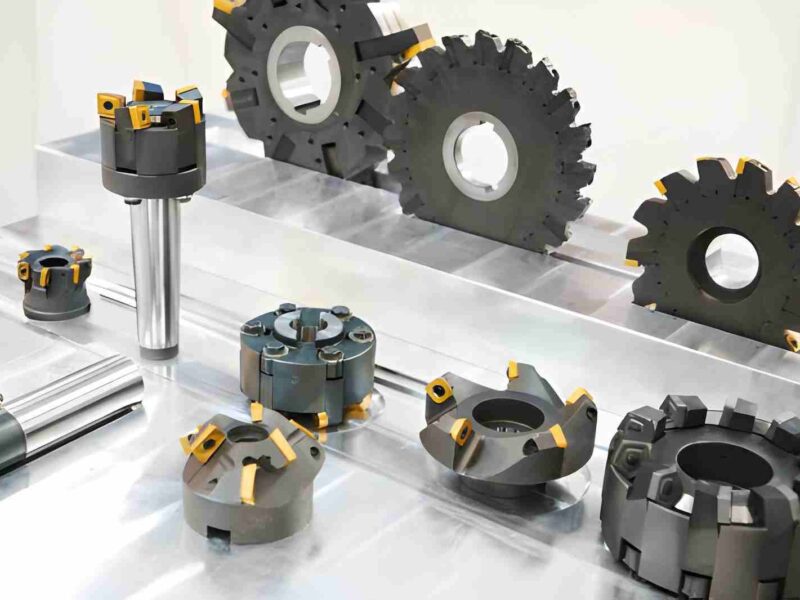
For machining bronze, carbide tools work better than high-speed steel. Sharp cutting edges stop material from smearing and hardening. Set the rake angle between 5 and 10 degrees. When tools are dull, they create friction that hurts both the part and the blade.
Coated carbide makes tools last longer in production runs. Coatings like TiN or TiAlN make bronze stick less. For best results, change inserts before they start to show wear signs. When machining bronze, the tool’s shape is more critical than it is for steel.
Optimize Your Cutting Speeds
Bronze needs to move slower than aluminium but faster than steel. Begin at a speed of 200 to 300 surface feet per minute. Change based on the tool temperature and how the chips form. Too fast makes the tool too hot and breaks it too soon.
Different bronze alloys need to be replaced at different speeds. At moderate speeds, phosphor bronze cuts more cleanly. Because it is harder, aluminium bronze needs to be worked at slower speeds. Keep an eye on your spindle load to find the right amount.
Control Feed Rates Carefully
Feed rates between 0.005 and 0.015 inches per revolution are better. Feeding softer bronze grades too aggressively can cause them to harden during machining. When feeds are lower, they cause rubbing instead of cutting. Find the right spot where chips break cleanly.
If the bronze begins to harden under the tool, slightly increase the feed rate. Conversely, reduce the feed if the surface finish does not meet quality standards. If chips keep forming in the same way, you’ve found the right settings. Keep records of successful feeds for later use.
Use Cutting Fluid Effectively
Flood coolant keeps bronze from sticking to your cutting tools. For most tasks, coolants that dissolve in water work better than straight oils. For best results, put the coolant directly on the cutting edge. A good coolant flow helps get rid of chips quickly.
Because bronze conducts heat quickly, the temperature of the coolant is important. Keep the temperature of your coolant reservoir between 18 and 24 ℃. Improper coolant makes tools less effective and shortens their life. To keep cutting performance, you should change or filter the coolant often.
Manage Chip Formation
Bronze chips are stringy and get stuck in tools and parts. Always use chip breaker geometry on your inserts. The tool periodically retracts to remove accumulated chips and keep the work area clear. Air blast helps get rid of chips in hard-to-reach places.
Long chips mean you need to change your feed or speed. Chips should break into pieces that are easy to handle, between 25 and 50 mm long. Chips that are tangled up scratch finished surfaces and hurt cutting edges.
Prevent Work Hardening
When machining bronze, maintain a positive cutting action with sharp tools, as rubbing the material can cause it to harden. Make cuts that are steady and don’t stay in one place. Work hardening makes a tough layer on the surface that dulls tools quickly.
If work hardening occurs, you must cut through the hardened layer by increasing the cutting depth to reach unaffected material. This problem is more likely to happen with softer bronze grades. It’s easier to stop something from hardening than to fix it.
Secure Workholding Properly
If you’re not careful, bronze can change shape when you clamp it. Distribute the clamping pressure evenly across a larger surface area to improve stability during machining. To protect finished or delicate surfaces, use soft jaws, protective pads, or other suitable workholding solutions. Once the initial machining passes have removed material, inspect the setup and workpiece condition to confirm that the part remains securely supported and properly aligned throughout the operation.
If you feel vibration while cutting, it could mean that your workholding is loose or that your tool is chattering. Bronze is soft, so cutting forces can easily bend it. Use steady rests or tailstock pressure to hold up long parts. Proper support stops mistakes in size and bad surface finish.
Take Light Finishing Passes
Final passes should only take away 0.127 to 0.254 mm of material. Multiple light cuts produce a smoother finish than a single heavy cut. The bronze surface finish gets better when the cut is shallow. For finishing, you need sharp tools and a firm setup.
Give the part-time to cool down between roughing and finishing. When measuring, thermal expansion can change the accuracy of the dimensions. Before making the finishing cuts, make sure all the chips are removed from the part. Even small chips can leave marks on your finished surface.
Get Expert Bronze CNC Machining Services
At Premium Parts, we provide precision bronze machining services for components that demand accuracy, durability, and consistent performance. With over 15 years of industry experience, our team has the expertise to machine challenging bronze alloys for a wide range of applications. Whether you need a single prototype or a low-volume production run, we deliver high-quality parts with reliable lead times.
We machine a variety of bronze grades, including phosphor bronze, aluminum bronze, and silicon bronze. Our facility is equipped with advanced 3-axis, 4-axis, and 5-axis CNC machines that allow us to produce complex parts with exceptional precision. Depending on the design requirements, we can achieve tolerances as tight as ±0.0127 mm. To ensure every component meets the required specifications, our quality team performs thorough inspections before the parts are shipped to your location.