Sheet metal assemblies are used to house machines, HVAC units, and to protect sensitive electrical systems. You get formed, welded, fastened, and aligned components that fit your product needs. Assembling creates strong parts that keep their shape, handle stress, and perform well in real conditions.
Moreover, it allows you to test early, refine designs, and move straight into low-volume builds. Our engineers help you avoid assembly fit issues, weak joints, and delays that often slow projects down. We build sheet metal assemblies for brackets, enclosures, panels, and small prototype runs.
Our team checks each feature, aligns edges, chooses proper fastening methods, and verifies tolerances before shipping. Therefore, you always receive clean, accurate, and production-ready metal parts.
What Is Sheet Metal Assembly?
Sheet Metal Assembly Process
Here are the frequent steps involved in the sheet metal assembly process.
Cutting and Preparing Each Metal Piece
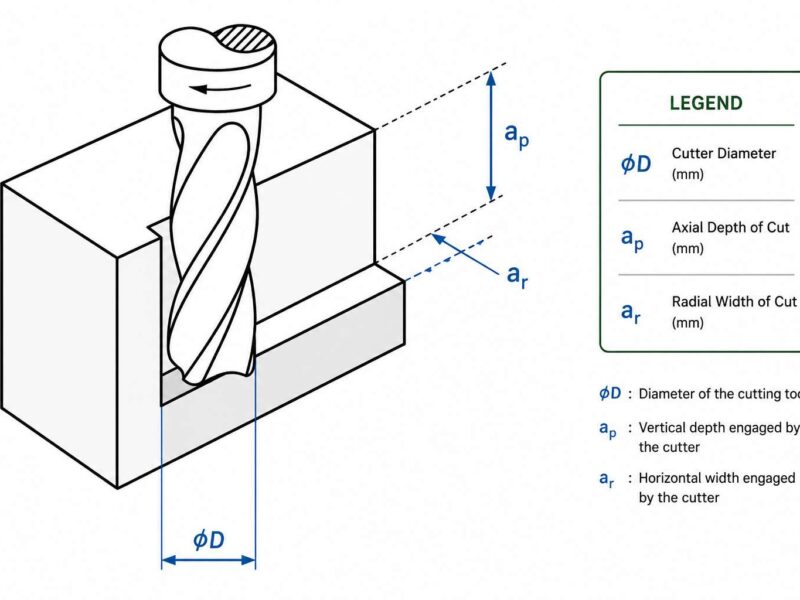
We initially clean the metal sheets of aluminum, steel, and titanium. Our designers check your CAD files and pick the appropriate sheet thickness for your part. Then, we use CNC laser or waterjet machines to cut each sheet and create precise edges. This will form a foundation of firm fitting and building.
Forming the Parts Into Final Shapes
After cutting, each metal piece is shaped using press brakes. These machines are used to bend the sheets to a specific angle as per your design requirements. Minuscule components undergo tight folds, whereas big components receive regulated forms in the flatness. Our engineers check each bend to prevent cracks, bending, or tension points.
Joining the Parts for Strong Structure
Then the parts/components are temporarily assembled using welding, riveting, or fastening. We choose the intended technique based on the strength requirements and design complexity. Solid and load-bearing frames are best used with Welding. Riveting is suitable for dealing with lightweight or thin pieces. Every joint is examined to verify proper alignment and long-term stability.
Surface Finishing for a Clean Look and Protection
The assembled components are then surface finished. We strip off burrs, finish edges, and coat depending on your application. Powder coating is used to prevent corrosion. Aging enhances the tenacity of aluminum parts. Clean visible component finishes are produced by brushed and sand-blasted finishes.
Final Review and Quality Inspection
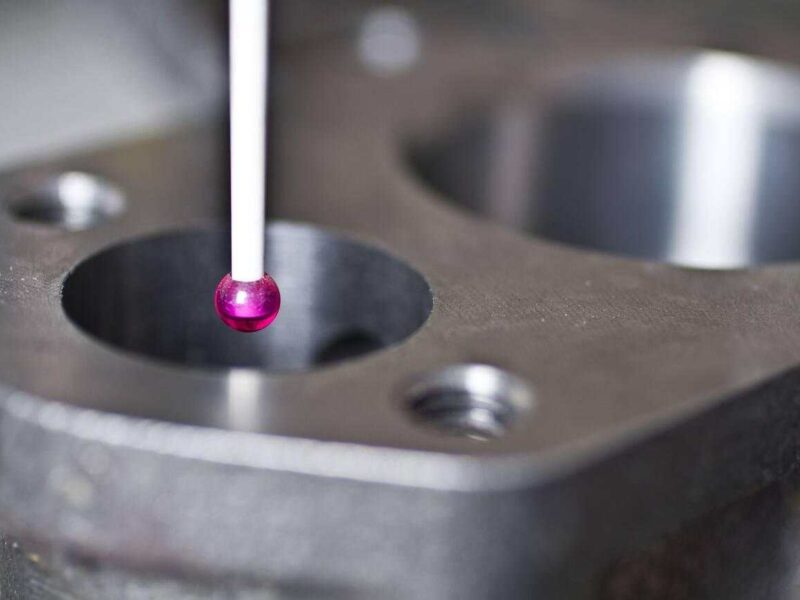
All units assembled undergo structural and strength tests. We inspect the fit, tolerances, and surface quality before shipping. This is done to ensure that your parts are accurate to your drawing, can fit in the other components, and are presented to be used in production or use.
Techniques for Sheet Metal Fabrication
Below are the common techniques used in sheet metal fabrication.
Sheet Metal Cutting
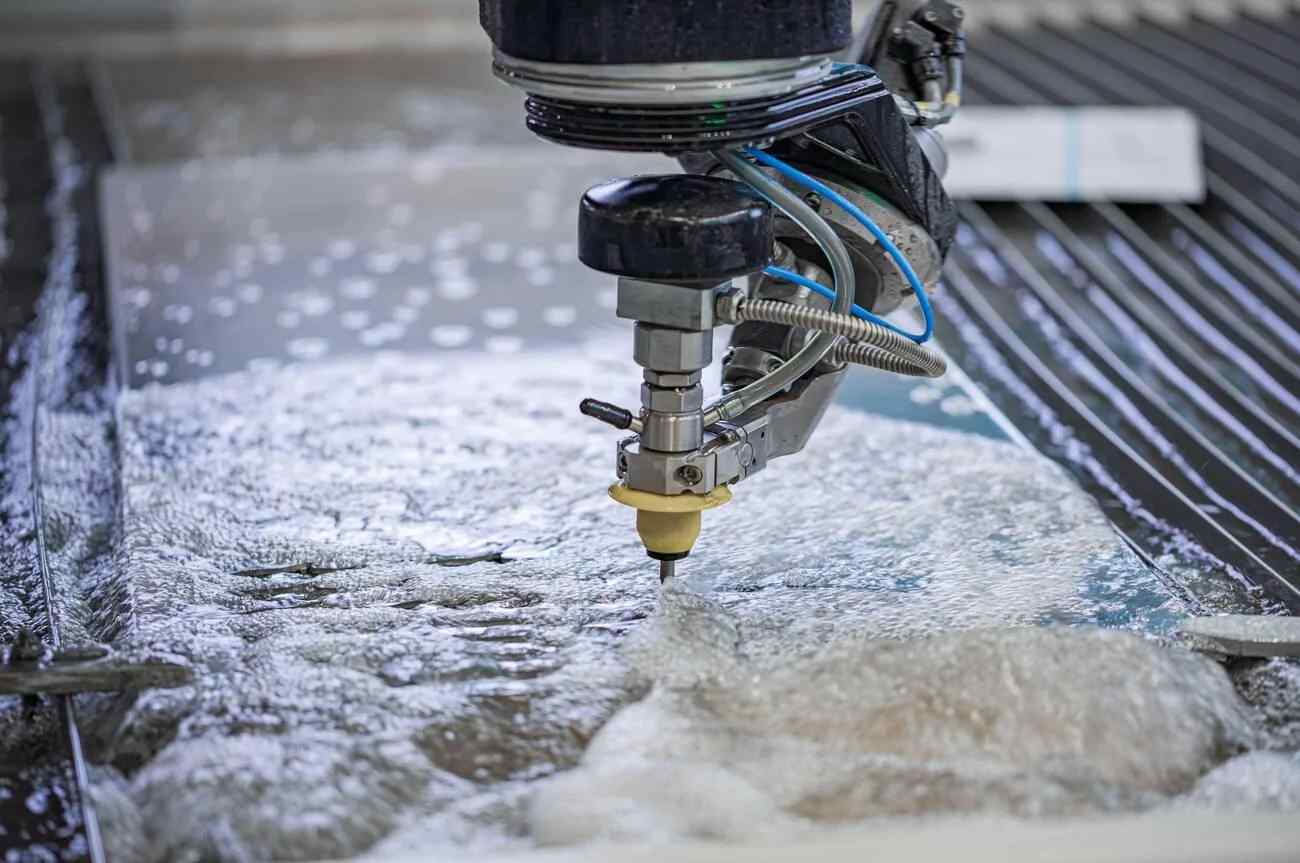 Waterjet cutting
Cutting is the preliminary step in the sheet metal assembly process. We apply laser cutting, water jet cutting, and shearing based on the material and intended design. Laser cutting provides a neat and sharp cut. Water jet cutters are best suited for hard-to-cut metals, and they do not produce heat. The quick cuts are simple to make straight. Choosing the appropriate technique will guarantee the precision of parts and the accurate assembly.
Sheet Metal Bending
Bending is the formation of angles or curves in flat sheets. Press brakes and folding machines are used in bending to achieve accurate shapes. Springback usually occurs where metal attempts to straighten after bending. Our engineers consider this issue to make the final angles right. Bending under control ensures that the parts fit well in the final assembly.
Sheet Metal Punching
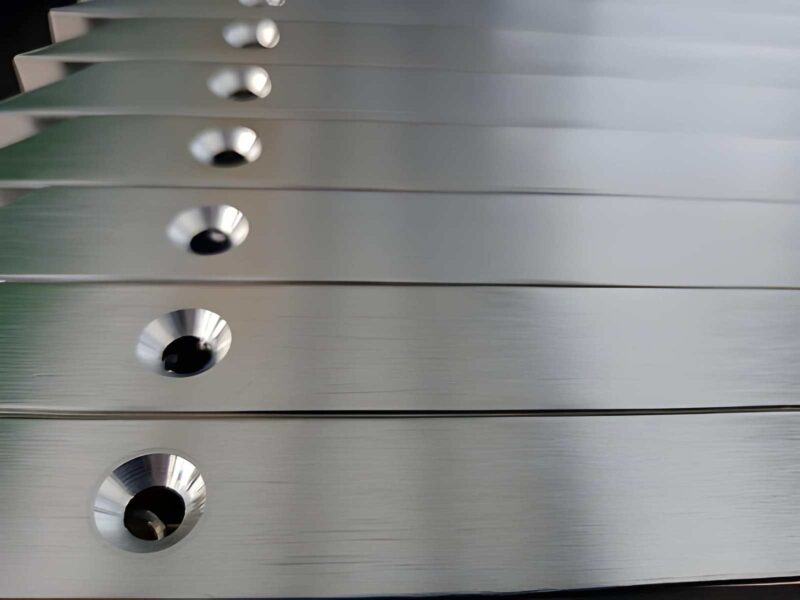
Punching perforates holes and slots around screws, bolts, or rivets. Its accuracy depends on the punch press. In modern CNC punch presses, all the details like punch size, die clearance, and material thickness are computed. When punching is properly done, the fasteners will fit in place, and assemblies will be built without issues.
Sheet Metal Welding
Welding is a method of permanently joining sheets by MIG, TIG, or spot welding. Warped or weak joints are averted by the appropriate heat control method. Thin sheets are effectively welded by spot welding, and thicker metals are welded using MIG or TIG. A good weld is essential in assemblies that require holding stress.
Fastening
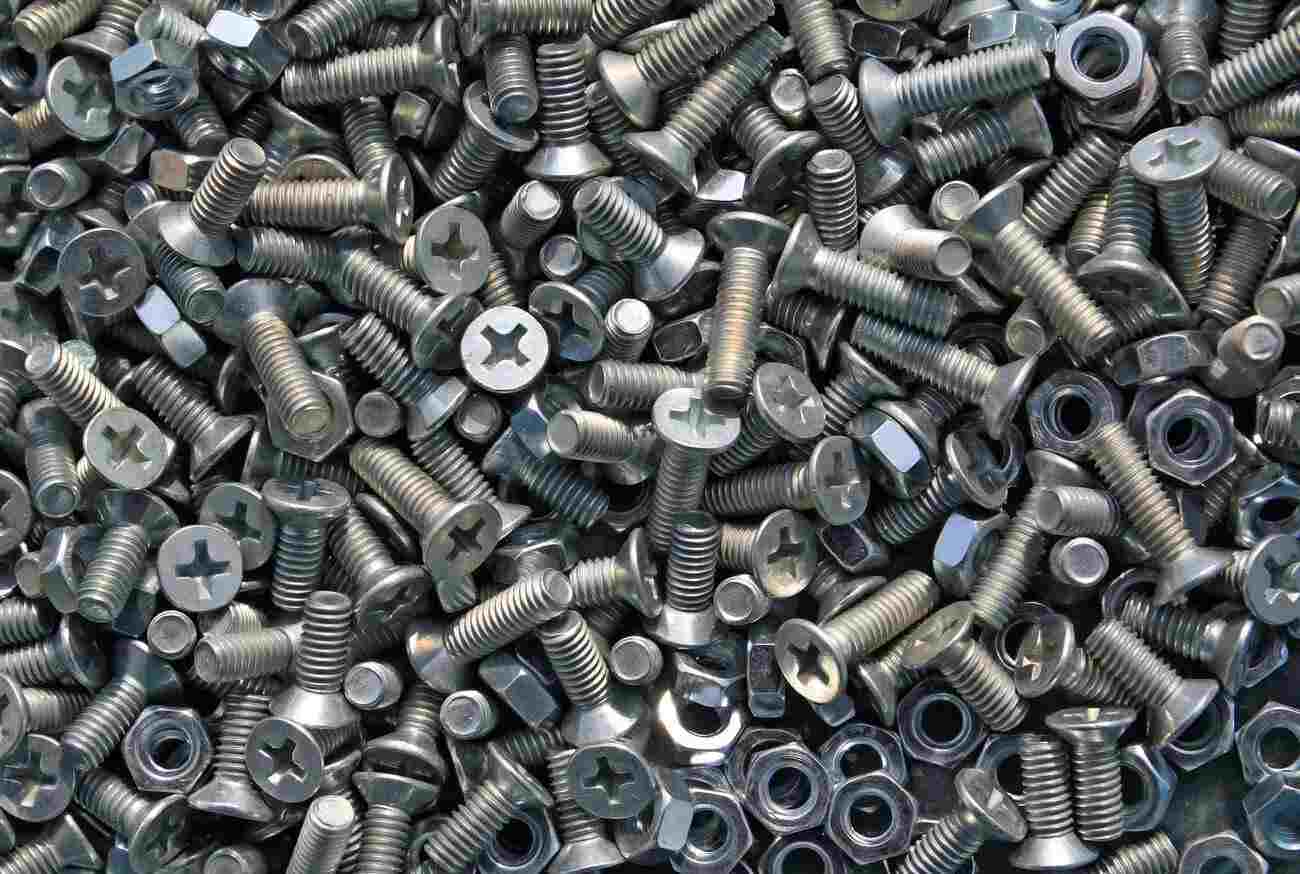 Machined nuts and bolts
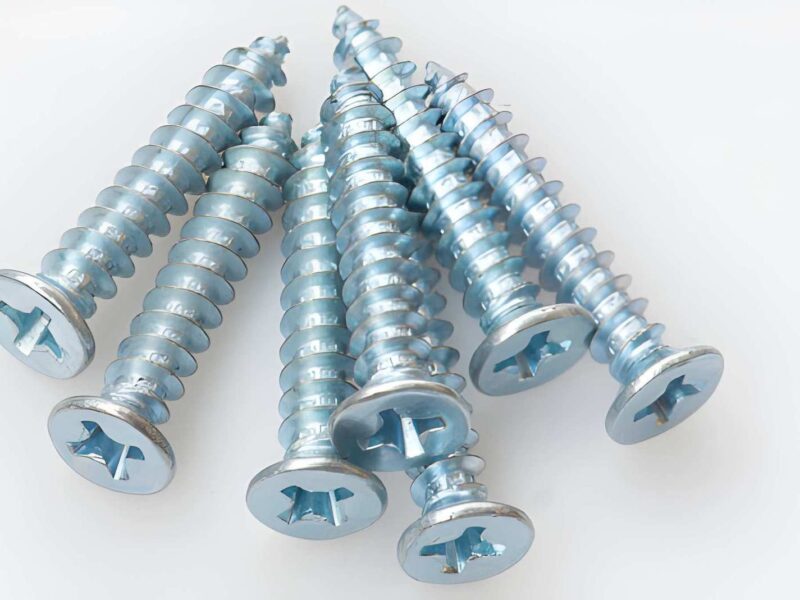
When it is not best to use welding to join parts, fastening is done using screws, bolts, or rivets. The timing of alignment, torque, and spacing is significant to a solid assembly. The components are not damaged either, and the method allows easy disassembly and maintenance.
Key Benefits of a Well-Built Sheet Metal Assembly
- Reliable Structural Strength: A properly assembled sheet metal part maintains its shape under normal working loads. With the right joining method and reinforcement where needed, frames and enclosures remain rigid even when subjected to vibration, handling, or repeated use.
- Easier to Build Custom Products: Sheet metal assemblies can be modified without redesigning the entire product. Hole locations, bends, mounting brackets, and hardware can be adjusted to match different project requirements, making customization much more practical for low-volume manufacturing.
- Faster From Fabrication to Assembly: Most sheet metal parts can be cut, formed, and assembled within a relatively short production cycle. Since the components are produced from flat sheets, manufacturing and assembly can begin quickly once the design is approved.
- Cost-Effective for Small Production Runs: Sheet metal assembly works well when production volumes are low. There is usually no need for expensive molds or dedicated tooling, allowing prototypes and small batches to be produced without the high upfront costs associated with other manufacturing methods.
- Consistent Fit During Assembly: When fabricated within the required tolerances, sheet metal parts fit together with minimal adjustment during assembly. This reduces rework, speeds up installation of hardware or weldments, and helps produce assemblies that are consistent from one batch to the next.
Common Challenges in Sheet Metal Assembly and How We Solve Them
Despite the hi-tech technology, the sheet metal assembly process also encounters problems that impact quality, price, and delivery. At Premium Parts, we spot issues beforehand and implement a solution during the initial phases, and thus, the parts remain flawless.
Material Warping and Distortion
Warping may occur during the cutting or forming of thin and large metal sheets. Our team chooses the right material thickness and methods to produce the right dimensions and minimize wastage.
Misalignment of Components
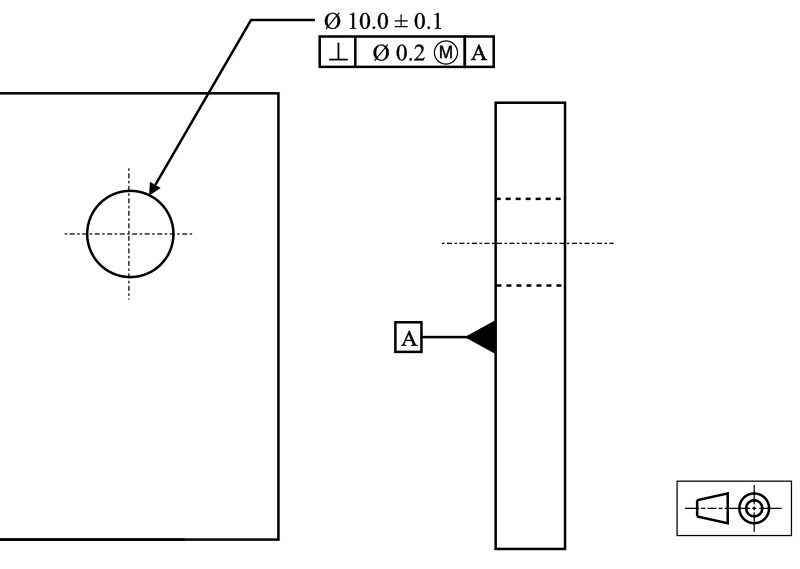
Components cannot be fitted well if the alignment is not right. So, it is better to use jigs, CNC-controlled placement, and accurate measurement equipment to ensure that each part is in place before assembly.
Fastening and Joint Failures
Wrong fastener choice or internal weld weakness compromises assembly strength. In every project, we choose the best fasteners, welding processes, and adhesive processes so as to get secure and long-lasting joints.
Surface Damage During Assembly
Scratches and dents may arise when part handling is not done with care. To ensure the surface quality, our team uses protective padding, cautious handling practices, and controlled assembly conditions.
Maintaining Tolerances in Complex Designs
In complex assemblies, elastic fits may not be easy. We use efficient tools, inspect continuously, and apply changes till each piece of assembly is exactly as per the design specifications.
Applications of Sheet Metal Assembly
Automotive Parts
Cars, bracket assemblies, and frames are usually made with steel or aluminum sheets. They make sure that vehicles are safe, durable, and precise. Our team provides assemblies as per automotive standards.
Aerospace Components
Aircraft contain hundreds of sheet metal assemblies that support equipment, protect internal systems, and connect structural sections. Common examples include equipment brackets, avionics housings, access panels, mounting frames, cable supports, and interior structural assemblies. These components must fit accurately during installation because they are often assembled with rivets, fasteners, or welds alongside other precision-made parts.
Medical Equipment
Medical device housings are made of stainless steel, titanium, and aluminum sheet metal. Our components remain accurate, hygienic, and durable. This guarantees the equipment safety used in hospitals and clinics.
Consumer Electronics
Sheet metal forms the housings, frames, and enclosures of electronic devices. Our assemblies guard equipment and enhance its finish. Accuracy means smooth running and professionalism.
Industrial Machinery
Heavy machinery and control panels are supported on assemblies of sheet metal. Our products are heat-resistant. This maintains the running of industrial operations in an efficient and safe manner.
Advantages of Choosing Premium Parts for Sheet Metal Assembly
- Expertise and Precision: Our staff has extensive experience of more than 15 years in sheet metal assembly. We use CNC machines and precision tools to make each part to a precise specification. This minimizes errors, improves fit, and ensures that assemblies to be used work well in any given application.
- Fast and Reliable Service: We know timely delivery keeps industrial projects on schedule. Therefore, we provide a quick response, have an efficient work process, and have experienced engineers to produce the parts. This keeps your production and project on track.
- Custom Solutions for Every Industry: Every industry’s needs are different. We collaborate with customers from the design phase to the end. We ensure that our sheet metals match their specific requirements, be it automotive brackets, medical device casings, or electronics casings. We are flexible and can give you a solution identical to your project.
- Quality Assurance: All of our operations have quality at their core. Each sheet metal assembly is inspected according to strict international standards. This ensures high durability, safety, and performance of both low- and high-volume production.
- End-to-End Support: Premium Parts offers complete support from design inspection to the last delivery. Our team assists you in CAD analyses, design improvements, and assembly advice. We guarantee you a hassle-free process through to the final product.
Summary
Sheet metal assembly is a precise and essential process in modern manufacturing. From cutting and bending to welding and finishing, every step counts to ensure parts fit perfectly and last long.
At Premium Parts, our team combines advanced techniques with hands-on expertise to deliver high-quality assemblies that meet your project requirements. Whether for automotive, aerospace, or consumer electronics, we focus on accuracy, efficiency, and durability, helping your products perform at their best.
FAQs
How long does it take to assemble custom sheet metal parts?
The assembly time depends on the complexity and volume of the parts. At Premium Parts, we optimize every step to deliver prototypes quickly and low-volume orders efficiently, often within days.
Can you handle both metal and plastic sheet components?
Yes, our team has experience working with metals like aluminum, steel, and copper, as well as plastics for hybrid assemblies. We choose techniques that suit each material for strong and precise assemblies.
Do you provide finishing options after assembly?
Yes, we offer powder coating, anodizing, polishing, and other finishing options to protect parts from corrosion and improve their appearance, ensuring the final product meets both functional and aesthetic standards.