Magnesium and aluminum are both common CNC machining materials. However, they are not machined in the same manner. The choice depends on how much weight you need to remove, how the part carries load, and its intended use case.
Magnesium is lighter and requires less cutting force. It is used in handheld device frames, drone housings, and aerospace brackets. In these systems, weight reduction is important.
On the other hand, aluminum handles exposure better and holds its shape under wider conditions. Therefore, it is used where the part faces air, moisture, and repeated use.
In practice, the material is selected based on:
- Its actual use conditions, such as part weight limits,
- Load direction
- Exposure to moisture or chemicals
- Operating temperature
- Required surface finish, and how often the part will be assembled or handled
This article breaks down how both materials behave, where each one fits, and what to consider during machining and use.
What is Aluminum In CNC Machining?
Aluminum is a lightweight metal. It has a density of about 2.7 g/cm³, which weighs more than magnesium yet significantly less than steel. In addition, it is a non-ferrous metal. This makes it applicable in many structural parts.
Some of the common examples include: mounting brackets, support frames, base plates, machine housings, and load-bearing enclosures.
It exhibits good strength, weight, and corrosion resistance. They have good machinability and design flexibility. It is also electrically and thermally conductive. These properties make aluminum a versatile and reliable material for numerous products.
Typical Aluminum Alloys for CNC Machining
- 6061-T6
- 7075-T6
- 5052-H32
- 2024-T3
- 6082-T6
- 6063-T5
What is Magnesium In CNC Machining?
Magnesium is also the lightest structural metal used in engineering applications. Its density is approximately 1.74 g/cm, which is relatively lower than that of aluminum. So, it is extensively used in weight-sensitive applications. Like aluminum, magnesium is also a non-ferrous metal.
It has a high strength-to-weight ratio. These alloys are also good conductors of heat and perform well in thermal applications. However, magnesium has lower corrosion resistance than aluminum. It might be easily corroded in wet and salty conditions.
Typical Magnesium Alloys And Tempered Grades
- AZ31B-H24
- AZ61A-F
- AZ91D-F
- AM60B-F
- ZK60A-T5
- WE43-T6
Magnesium vs Aluminum: Major Differences
Magnesium and aluminum are widely used lightweight metals in engineering. Both are quite powerful but meet various requirements. Choosing between them depends on your application and priorities.
Mechanical Performance:
Aluminum has higher strength and stiffness. This makes it appropriate for heavy-duty and high-stress elements. Magnesium is weaker, yet suitable for weight-sensitive applications. It has a higher strength-to-weight ratio compared to aluminum.
It is relatively easier to form and shape at room temperature. Magnesium is not a very ductile material, which means that it needs to be heated to form. Magnesium, however, is easier to machine and minimizes the wear of tools.
Physical Properties:
The lightest structural metal is magnesium. It is about 35% lighter than aluminum. In most applications, aluminum is light but dense. The processing temperature of aluminum is also higher due to its melting point. The magnesium processing is low.
Thermal Conductivity:
Magnesium has a thermal conductivity of about 156 W/m·K. It is a good thermal conductor and can therefore be applied in electronics and engines. This property helps in maintaining stable temperatures in different devices.
Aluminum is a thermally conducting material with approximately 237 W/m.k. Therefore, it is used in thermal management systems and heat sinks. It has a very high heat conductance and would be applicable in those industries that require specificity in temperature control.
Electrical Conductivity:
Magnesium is less electrically conductive, with a value of approximately 35.4 × 10⁶ S/m. This restricts its application in electrical appliances. It is less suitable for components that require efficient current flow.
Aluminum is more electrically conductive, approximately 37.7 × 10⁶ S/m. It is widely used in wiring and electrical systems. Its higher conductivity allows better energy transfer and reduces power loss.
Recyclability:
Both are recyclable materials, and they can be used effectively in manufacturing processes. Aluminum has a well-developed recycling system, and it takes minimal energy to be recycled. This assists in minimizing environmental effects. Magnesium also facilitates sustainability, particularly in reducing automotive weight. The long-term low emissions are attributed to lighter vehicles.
Cost and Strengths:
Aluminum leads in overall strength, especially with high-performance alloys like 7075 and 6061. These alloys deal with high loads and stress. Magnesium has lower absolute strength but offers a strong strength-to-weight ratio.
Aluminum is typically cheaper and more readily available. It also has lower processing costs. Magnesium is more expensive in material and needs additional safety in machining. Nevertheless, its higher machining speed and reduced weight can offset the performance-oriented uses.
Corrosion Behavior:
Magnesium and aluminum corrode differently. Magnesium is more prone to corrosion, thus the need for protective surface treatments or coatings.
In most conditions, the formation of an oxide coating gives aluminum resistance against corrosion. However, other alloys of aluminum still need reinforcement in harsh conditions. The corrosion resistance of both metals is enhanced by applying a coating and anodizing.
What are the Limitations of Using Aluminium in CNC Machining
CNC machining of magnesium and aluminum presents distinct challenges, and understanding the right solutions is essential to achieve safe operations, high precision, and consistent part quality. Although there are several aluminum machining benefits, it is also associated with a variety of challenges that can affect performance and quality.
A list of a few is given below:
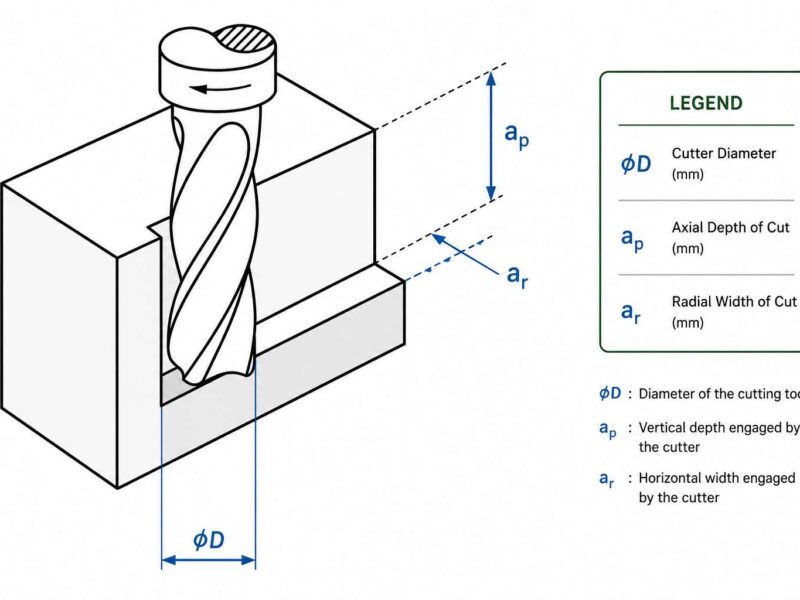
- Chatter: Vibrations (chatter) can occur with high cutting speeds and present difficulty in obtaining fine finishes.
- Chip formation: Aluminum alloys with long and sticky chips may form around the cutting tools and cut the part. This is to be governed by appropriate tool design, especially the size of flutes.
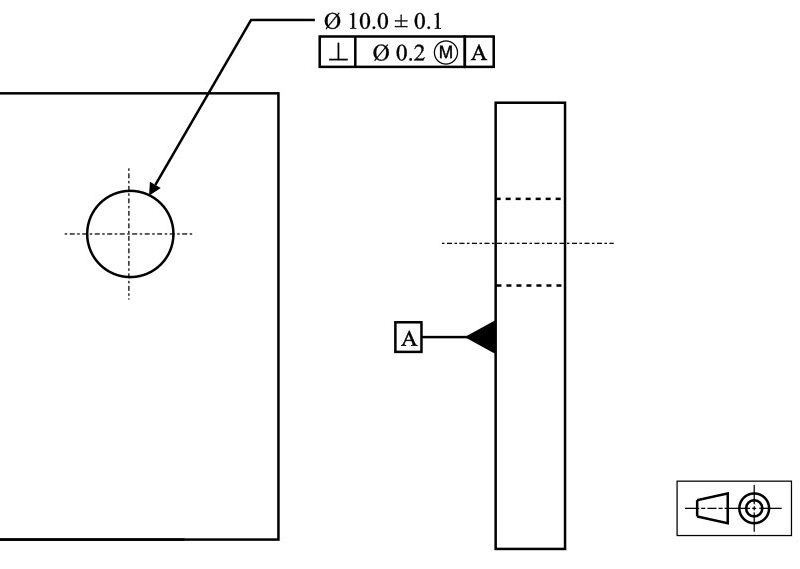
- Design: Design mistakes such as failure to take tolerances into account, unnecessary complexity, or sharp edges can all make CNC machining more difficult and reduce the quality of parts.
- Warping: Aluminum is soft, and thus, it is easily distorted in machining, which would disrupt accuracy.
Considerations:
- Optimize tool geometries, control cutting conditions, and use hard clamping in order to reduce machining deformation.
- Choose the right cutting fluids, change cutting speed and feed rate, and enhance tool edge quality to get a better surface finish.
- Select wear-resistant tool materials, optimize tool geometry, and control cutting parameters appropriately to maximize tool life.
What are the Limitations of Using Magnesium In CNC Machining?
Compared with aluminum, magnesium requires greater attention to fire safety, heat control, tool selection, and surface finishing during CNC machining.
- Fire hazard: Sparks or heat during machining can cause ignition of the magnesium chips and dust, which are extremely flammable and dangerous to workers.
- Tool wear: Magnesium is soft but may be abrasive, which causes quicker tool wear and increased tooling costs when machined heavily.
- Heat generation: Magnesium is not a good heat dissipator compared to aluminium. The heat accumulated in the cutting zone reduces the tool life and influences part accuracy.
- Surface finishes: Magnesium components are susceptible to burrs or surface deformation during machining, thus requiring more expertise to obtain a high-quality finish.
Considerations:
- Use sharp carbide cutting tools with appropriate geometry to minimize friction, heat accumulation, and fire hazards. Apply increased clearance angles to reduce the tool-workpiece contact and avoid unnecessary generation of heat.
- Minimise machining programs to reduce discontinuous chips through varying feed rates, rake angles, and cutting speeds.
- Water-based coolants should never be used; mineral oils, compressed air, or inert gases like argon can be used safely.
- Gather chips and dust when machining in explosion-proof vacuum machines. Proper fire safety measures should be followed, such as Class D fire extinguishers or dry sand rather than water.
Magnesium Vs Aluminium: Typical Applications
Magnesium is used in electronics and consumer products. It is applied to laptop, smartphone, and camera cases.
Magnesium works well in lightweight special parts. It is used in helicopters, gearboxes, and medical equipment. Such applications are favorable due to low weight and vibration damping, which improves performance and handling.
Aluminum is used in motor frames, aerospace fuselages, and ship hulls. Its corrosion resistance, strength, and ability to reduce overall weight are its strengths in its use.
The cooling systems also require aluminum. They are used in heat sinks, cooling fins, and electronic enclosures. It is highly thermally conductive and removes heat and protects sensitive components.
Design Tips for Custom Machined Parts: Magnesium vs Aluminum
Magnesium and aluminum differ in weight, strength, machinability, finishing requirements, and cost. These differences affect which material is more suitable for a particular part. The following comparison explains what to consider when choosing between them.
Choice of Material:
The choice of material is determined by your application requirements. Magnesium is about 35% lighter than aluminum, with a density of ~1.74 g/cm³, while aluminum is ~2.70 g/cm³. Use aluminum when more strength and durability are needed. Use magnesium where mass is paramount, especially in aerospace or portable designs.
Machining Behavior:
Other differences also exist in machining behavior. Magnesium is quicker to cut and has lower cutting forces and tool wear. Its cutting speeds exceed 500 m/min, improving productivity. However, it is highly flammable and therefore requires stringent safety measures. Aluminum is also predictable and consistent in machining and is less difficult to deal with in most shops.
Strength Requirements:
Magnesium has reduced absolute strength, typically 150-250 MPa. Aluminum is stronger, with an average strength of 250-500 MPa. Aluminum is the superior option in terms of load-bearing parts or stressful conditions. Magnesium is to be used in moderately loaded applications where mass conservation is more important than strength.
Surface finishing:
Magnesium requires protective finishing such as conversion coating, chemical treatment, powder coating, and electroplating. It requires proper pre-treatment because it reacts quickly with moisture. On the other hand, Aluminum supports a wider and more stable range of finishes, including anodizing, powder coating, polishing, and chemical conversion coating.
Cost Considerations:
Availability and cost should be the final decision. Magnesium can be used to reduce weight and shipping costs, but the cost of materials and handling is often increased. Aluminum is cheaper and more prevalent in most applications.
Conclusion
The selection between magnesium and aluminum depends on your application, performance requirements, and budget. Aluminum is strong, durable, and economical, and as such, it remains a dependable option in numerous structural and industrial applications. Magnesium, however, is unique due to its light weight and its performance benefits in weight-sensitive applications.
Premium Parts provides expert guidance, CNC machining, and die casting for both magnesium and aluminum. We deliver precise, reliable parts tailored to your performance and cost needs, helping you achieve better results with every project.
Partner with us and choose the right material with confidence.
FAQ’s
What aluminum alloys are favored in CNC machining?
CNC machining processes various aluminum alloys, and each alloy has its own properties for specific applications. Commonly used grades include 6061, 2011, and 2024.
Is magnesium alloy more sustainable than aluminum?
Magnesium alloys have a lower recycling rate than aluminum. Nonetheless, their lightness is useful in minimizing fuel consumption in numerous uses, somewhat offsetting their overall environmental impact.
Is aluminum lighter than magnesium metal?
The magnesium density is about 1.74 g/cm 3, and this is about 34 percent less than the density of aluminum, 2.70 g/cm 3. This causes magnesium to be the lightest structural metal that is widely applied in commerce.