Metal components often corrode, oxidize, and wear off. These problems lower the part’s life and performance. Strict durability requirements exist in such industries as aerospace, defense, and firearms.
Chemical conversion coating helps solve this problem. The process creates a protective coating with electrochemical methods, which is less common than chemical immersion. It improves corrosion resistance and prepares the surface for better adhesion of paint, powder coating, or bonding. Manufacturers widely use this coating for aluminum, magnesium, and other metals.
Premium Parts offers a range of manufacturing and finishing options, including CNC machining, anodizing, polishing, and other surface finishing services. Our processes are backed by ISO 9001 certification to help maintain consistent quality across your parts.
This article will shed light on conversion coatings named chromate, phosphate, and black oxide. It also reviews their applications, limitations, and selection guidelines.
What is Chemical Conversion Coating?
Chemical conversion coating is the surface treatment whereby a coating is formed by undergoing a chemical reaction. The process creates a thin, corrosion-free layer on the metal. It is commonly applied to aluminum and aluminum alloys. Alodine, also known as chem film, is a widely used aluminum conversion coating.
The coating assists in painting, powder coating, or bonding. It is frequently used by engineers in the pre-finishing stage or as a sole corrosion protection method. Conversion coatings are typically thin, ranging from 0.25 to 15 µm, and do not alter the part’s dimensions.
Types of Chemical Conversion Coatings
Metal finishing has different conversion coatings that meet various purposes. The appropriate selection is based on the material, environment, and ultimate application.
Chromate Conversion Coating
Chromate conversion coating provides a protective coating on aluminum and other metals. It enhances corrosion resistance and aids in high adhesion of paint. Electrical conductivity is also retained in this coating.
Applications: This property is needed in most aerospace and electronic components, such as aircraft hulls, landing gear, heat sinks, electronic enclosures, and connectors. Typical uses are aircraft components, automotive components, electronics, and structural aluminum.
Chromate Conversion Coating Types
There are two broad categories in MIL-DTL-5541.
- Type 1: Hexavalent chromates offer high levels of corrosion resistance.
- Type 2: Trivalent chromates are safer and more eco-friendly than hexavalent.
Phosphate Coating Conversion
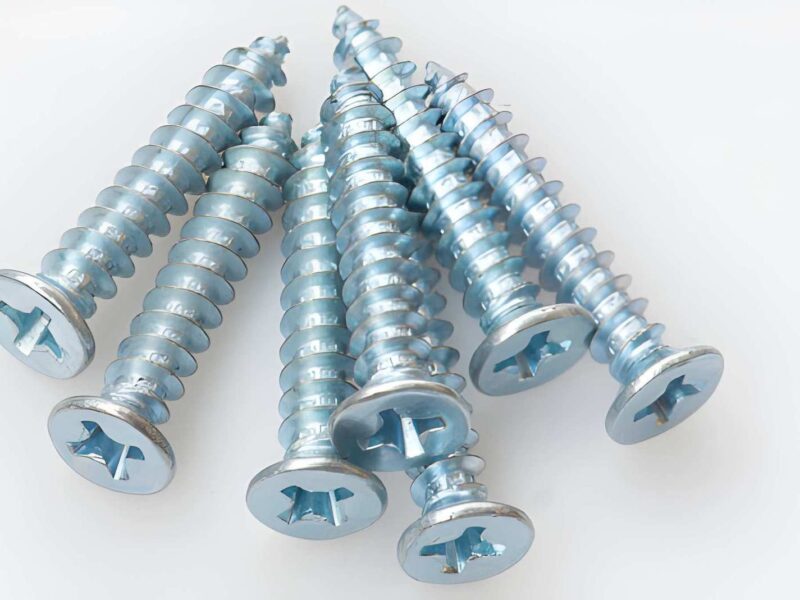
Phosphate coating forms a crystalline protective coating on metal surfaces. The process reacts chemically with the metal to form this layer. It enhances the corrosion resistance and improves paint adhesion. The textured phosphate coating reduces friction in moving parts by creating a microporous surface that retains lubricant.
Applications: It is used in industries such as automotive components, aerospace components, construction hardware, and firearms.
Common phosphate coatings include:
- Zinc phosphate: Provides strong corrosion protection and excellent paint adhesion.
- Iron phosphate: It is primarily used as a primer or base layer for paint rather than for standalone corrosion protection.
- Manganese phosphate: Friction and wear resistance.
Black Oxide Coating
Black oxide coating gives a thin black protective layer on metal surfaces. The process introduces corrosion resistance without changing the part size. The finish also enhances appearance, giving a clean matte black appearance.
Applications: It is used by manufacturers in automotive parts, guns, cutting tools, gears, and architectural hardware.
Black Oxide Coating Types
- Hot black oxide: This is the most prevalent process and has good corrosion protection.
- Cold black Oxide: Employed when components are temperature-sensitive.
- Special processes: Designed for ferrous metals, including steel, stainless steel, and iron.
Comparative analysis between Powder Coating vs. Electroplating vs. Anodizing
- Powder Coating: Powder coating applies a thick polymer layer (50 to 150 µm) that has strong corrosion and impact resistance. It is suited to automotive, appliances, and outdoor equipment, with smooth and vibrant finishes suitable for aluminum, steel, and alloys.
- Electroplating: Electroplating includes a thin layer of metals (1 to 25 µm) to enhance corrosion resistance and the level of aesthetics. The process is used in jewelry and ornamental pieces and electrical contacts on copper, nickel, chromium, and other metals.
- Anodizing: The anodizing process produces an oxide layer on aluminium, which gives it excellent corrosion and scratch resistance, and the ability to take on a color. Thickness ranges between 5 and 100 µm with minimal or no dimensional change, which is appropriate in aerospace, electronics, and architectural panels.
Overall Comparison
- Powder coating: Forms a thick protective layer for durability.
- Electroplating: Adds a thin metal layer for appearance.
- Anodizing: Creates a corrosion-resistant oxide layer on aluminum.
Limitations of Chemical Conversion Coating
Chemical conversion coating is efficient in protecting metals, but there are several limitations.
Compatibility of Metal
This chemical conversion coating is most compatible with specific metals, and aluminum, magnesium, and zinc are the most appropriate. Conversion coatings bond effectively with aluminum and magnesium, while steel typically requires phosphate or other specialized treatments.
Design Specifications
Designated coatings introduce a modest amount of part thickness. This must be taken into account in parts design where the tolerances are very high, or masking may be required to enclose sensitive parts.
Environmental Concerns
The operations that deal with hexavalent chromates involve toxic materials and can cause harm to workers and the surroundings in case of poor management. Trivalent chromates and phosphate coatings deliver strong performance with significantly reduced toxicity.
Based on these aspects, one can choose the most suitable coating process and compromise performance, safety, and environmental responsibility.
Apparatus Needed in the Chemical Conversion Coating
Application Equipment
Coating is applied to the metal surface using a brush, roller, or sprayer in an even manner. Small or detailed parts are coated using a brush or roller for precision. When used properly, uniformity of thickness and good performance are ensured.
Safety Equipment
The required safety equipment is gloves, safety glasses, and a lab coat/apron. A safe working environment and injury prevention will be covered by appropriate safety equipment. Specific processes might also require respirators or additional ventilation.
Rinse Tanks
Tanks or containers are used to rinse off the excess coating solution. The process assists in preventing accumulation, ensuring even distribution, and removing chemical residues that can reduce the performance of the coating.
Cleaning kit
Degreasers, alkaline cleaners, and other cleaning agents are applied to remove oil, dirt, and oxidation from the metal surface. Good coating adhesion and long-term protection require a well-washed surface. Corrosion resistance and finish quality also enhance in good cleaning.
Drying Equipment
Air dryers, ovens, or heat lamps are used with the intention of drying the coating and curing it. Correct drying ensures a smooth, crack-free surface with uniform coating thickness.
Determinants for Pinpointing Chemical Conversion Coating
The project’s needs will be considered when selecting the chemical conversion coating. Pay attention to these aspects:
- Purpose: Determine the mechanical and environmental stress on the metal constituents: structural, ornamental, or utilitarian. The structural components need maximum resistance to corrosion and strength, and decorative components may have more weight on color, finish, or appearance. Coatings on such functional components as electronic enclosures or mechanical parts promote adhesion or conductivity.
- Potential Properties: Determine the properties that are most imperative to your application. Certain finishes have better wear resistance, some have good thermal or chemical resistance, and others have higher paint or powder coat adhesion. When the strengths of the coating are matched with your project requirements, it makes it reliable in the long term.
- Environmental Demands: Takes into account the conditions the coated parts will experience. Moisture, chemicals, high heat, or extreme cold need to be controlled with coatings that can survive these obstacles. As an example, aerospace parts might require a high level of corrosion resistance, whereas automotive parts might need protection against wear, friction, and impact.
- Substrate Compatibility: Not every coating is compatible with all metals. The chemical conversion coating is often best done on aluminum, magnesium, and zinc, and other surface treatment options may be necessary on steel or stainless steel.
Considering these factors, it is possible to select a coating that is balanced in performance, durability, and application requirements.
What Is the Recommended Thickness for Chemical Conversion Coatings?
Chemical conversion coating thickness varies depending on the coating type, the method, and its intended purpose. Coating thickness depends on the type: chromate (0.25 to 4 µm), phosphate (5 to 15 µm), and black oxide (0.5 to 1.5 µm). However, uniformity and strong adhesion are more critical than exact thickness for optimal performance.
Conclusion
Chemical conversion coatings are imperative for metal components against corrosion, wear, and damage to the environment. Techniques such as anodizing, chromate, phosphate, and black oxide finish impart customized solutions to various metals and provide a balance of durability, appearance, and adhesion.
The right selection is dependent on the metal type, environmental conditions, properties required, and coating thickness, whereas the correct tools and equipment supply consistency and quality of results. Chemical conversion coating offers lower dimensional changes and efficient, thin protection compared to other surface treatments, such as powder coating or electroplating, and is therefore useful in aerospace, automotive, electronics, and precision components.
Boost the performance and longevity of your metal parts with Premium Parts. Our advanced chromate, phosphate, and black oxide treatments enhance corrosion resistance, strengthen adhesion, and deliver durable, long-lasting protection.
Contact us today to get expert chemical conversion coating services for your components.
FAQs
What is the difference between Conversion Coating and Plating?
Conversion coating is the chemical modification of the metal surface, whereas plating is an additional, new layer of metal on top of the material.
What are the Safety Measures in using Chemical Conversion Coatings?
Wear PPE (such as gloves, glasses, and protective clothes) at all times. Properly ventilate and observe the instructions on handling, storage, and disposal. Have spill kits on hand and wipe spills as they occur.
What Does Chemical Conversion Coating Typically Cost?
Chemical conversion coating is mostly regarded as a relatively inexpensive surface finishing method, particularly when it is contrasted with powder coating or plating. The cost of specific parts is determined by part size, geometry, and volume.