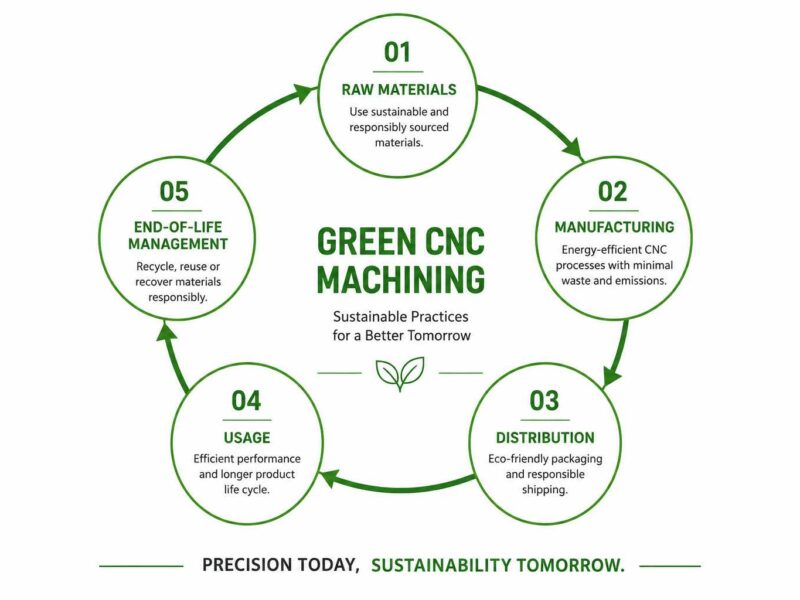
Green Machining: Introduction to Sustainable CNC Manufacturing
Green machining reduces waste and saves energy. It focuses on efficient processes and careful material use. The goal is precise, eco-friendly parts every time. It helps industries lower costs and environmental impact. At Premiu...
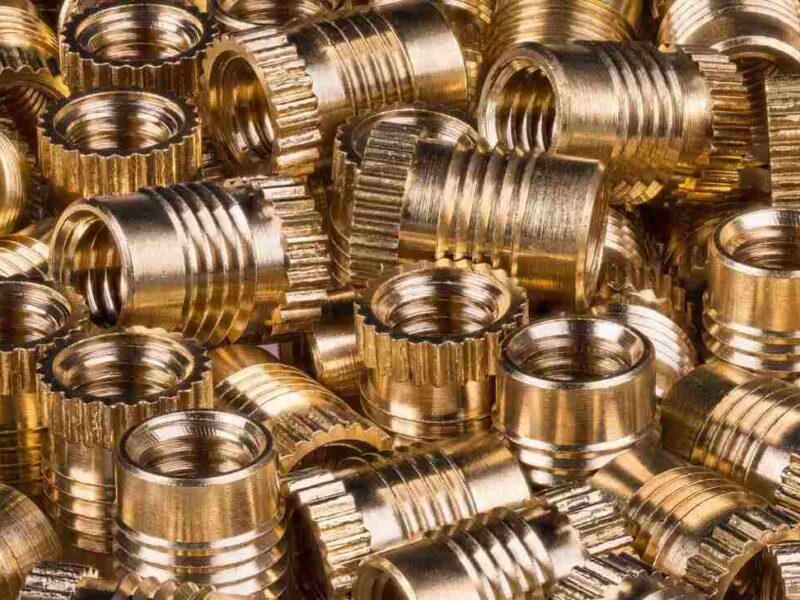
CNC Machining Bronze: Process, Parts & Useful Tips
When you think of bronze, you might picture old coins or decorative artifacts. However, bronze also plays an important role in precision CNC machining. It supports accurate operations, delivers reliable performance, and offers ...
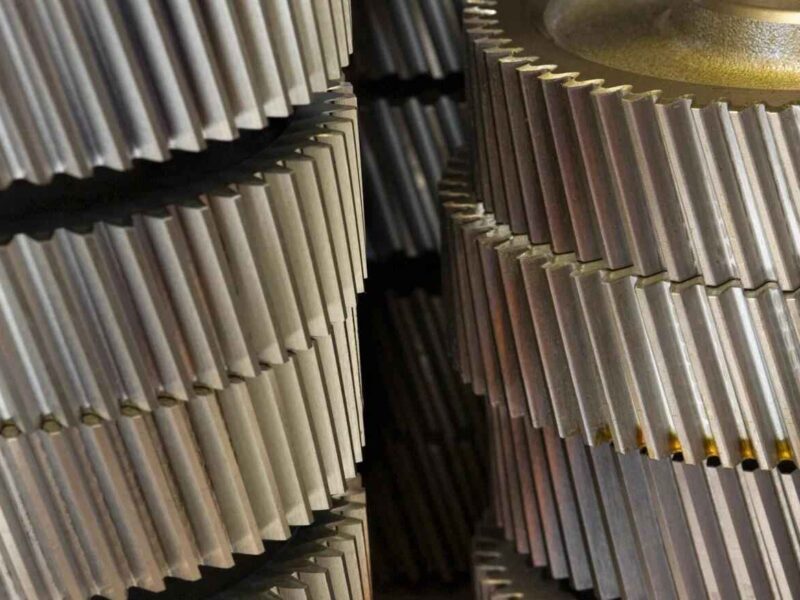
Involute Gear: Profile Design, Drawing & CNC Machining Tips
Involute gears dominate the power transmission segment of industry since their tooth profiles (the unwinding of a tangential line around a stationary base circle) produce a constant velocity ratio and a predictable line of acti...
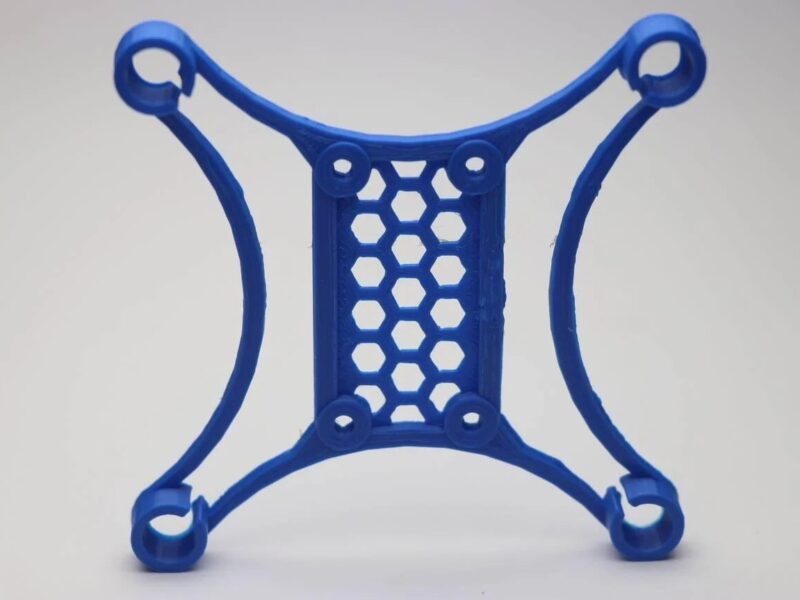
3D Printing UAV Parts: Applications, Materials & Manufacturing Benefits
The demand for UAVs continues to grow across industries such as surveying, inspection, agriculture, defense, and logistics. As applications become more demanding, manufacturers are under pressure to develop lighter, str...
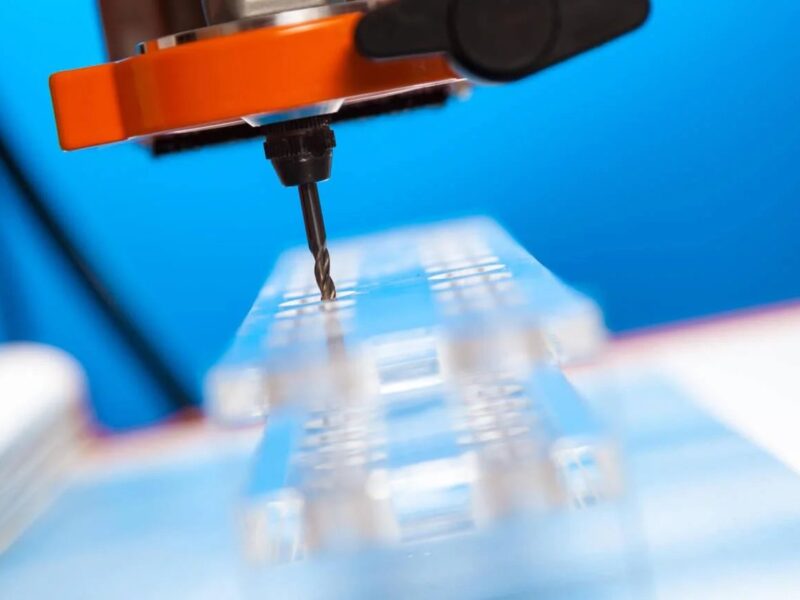
CNC Plastic Parts Machining: Materials, Design Tips & Challenges
Many plastic components are designed with complex features, lightweight structures, and strict dimensional requirements. While plastics are often easier to machine than metals, they bring a different set of manufacturing challe...
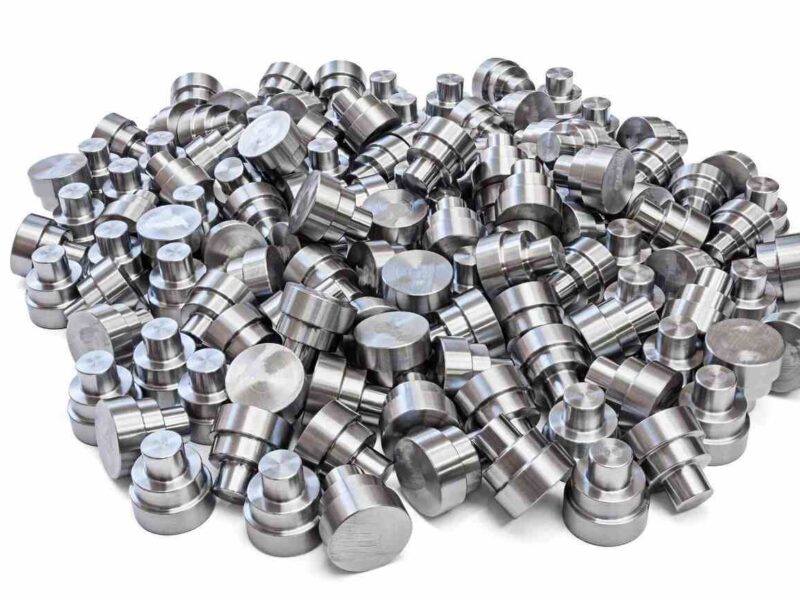
Small Batch Manufacturing: Processes, Cost Drivers, & When to Use It
Small Batch Manufacturing combines both technical expertise and speed of the market. The method to manufacture parts at low volume (10-1,000 units) is entirely different from manufacturing parts in mass quantities. Low-volume p...
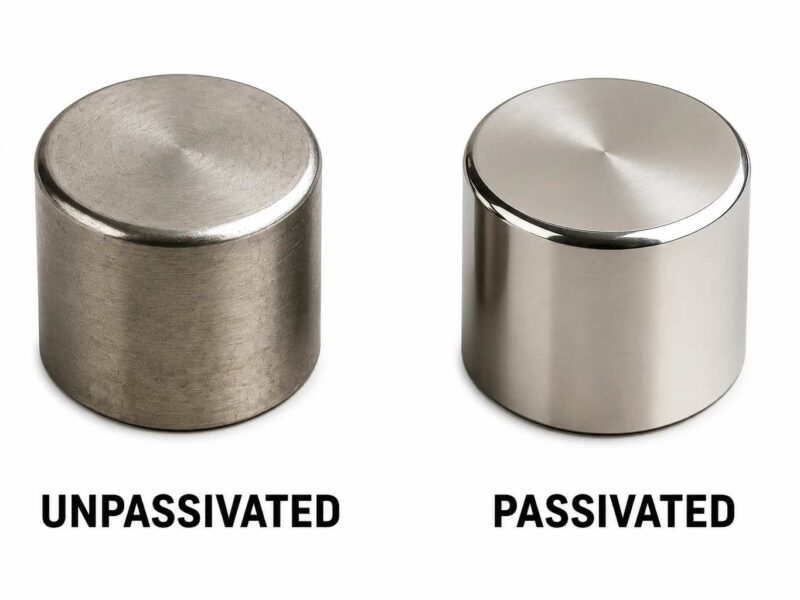
Passivation of Stainless Steel: Process, Methods, & Industry Applications
Machining, welding, and forming processes create free iron particles or metal contaminants on the surface of stainless steel, preventing it from having its full natural corrosion resistance. Stainless steel has a thin layer of ...
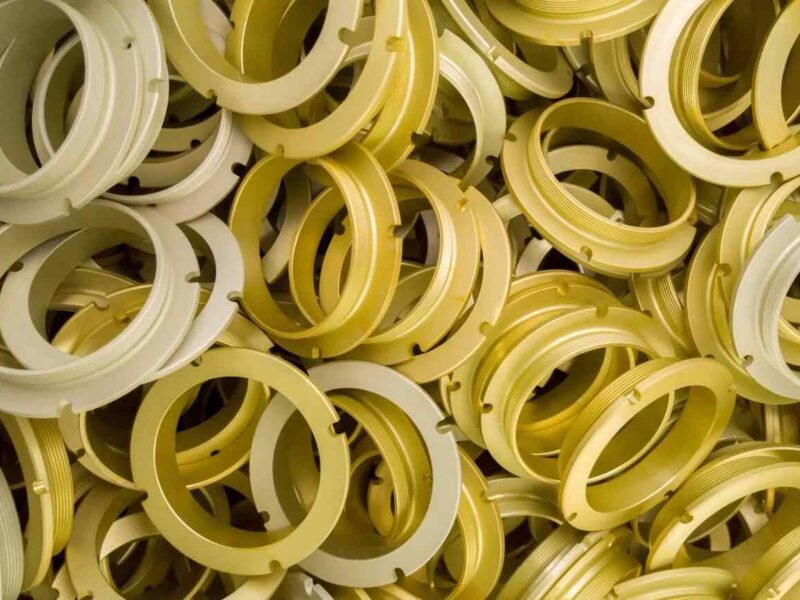
Anodizing vs Electroplating: Differences, Benefits & How to Choose the Right Finish
Anodizing and electroplating are two common surface finishing processes used to improve metal parts. Although both involve an electrical process, they produce very different surface characteristics. Anodizing converts the outer...
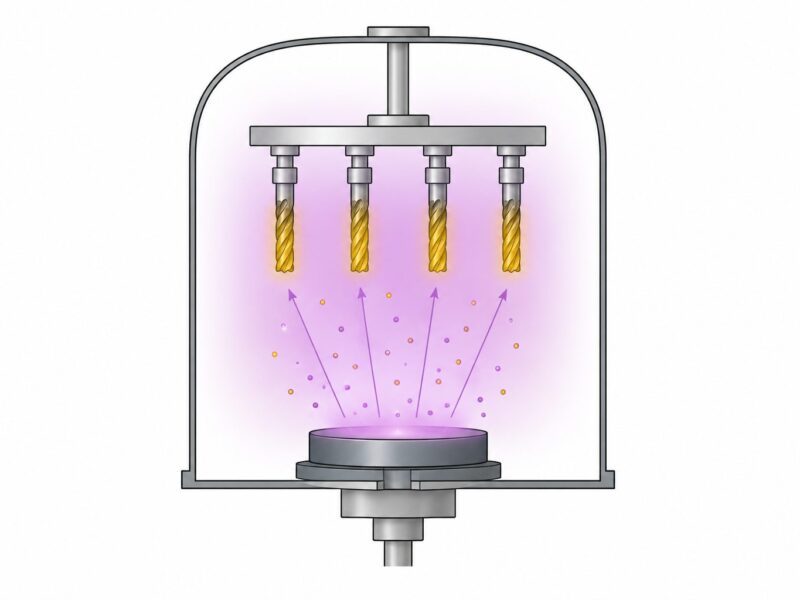
PVD Coating (Physical Vapor Deposition): Process, Types, Materials & Benefits
PVD (Physical Vapor Deposition) coating is one of today’s finest surface treatment technologies and is very adaptable to many of industrial manufacturing processes. Moreover, with recent industrial demands for coatings th...
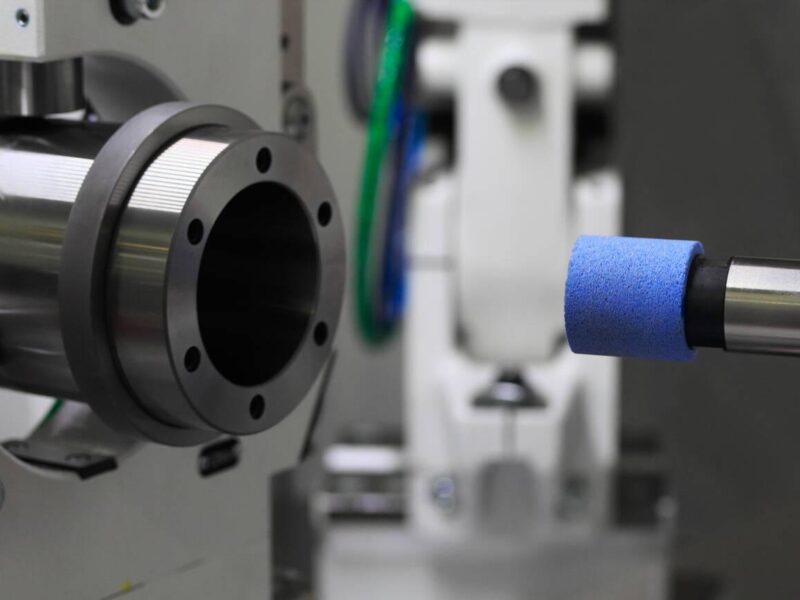
CNC Surface Grinding: Process, Types, Applications & Precision Control
Surface grinding in CNC is usually performed after milling. For example, it is done when the part still does not sit flat during inspection. You may machine a plate, measure it, and still see light gaps on a surface plate or un...