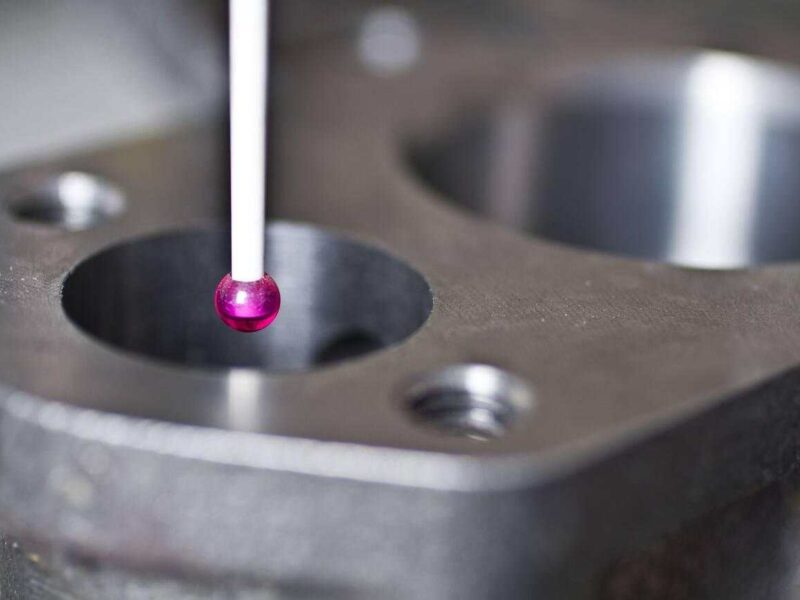
Tolerance Stack-Up Analysis: Methods, Importance & Best Practices
Most parts look fine on their own. The drawing looks okay, and all dimensions are as per the specifications. However, just as the assembly process is complete, something arises that does not seem to fit, and no one can immediat...
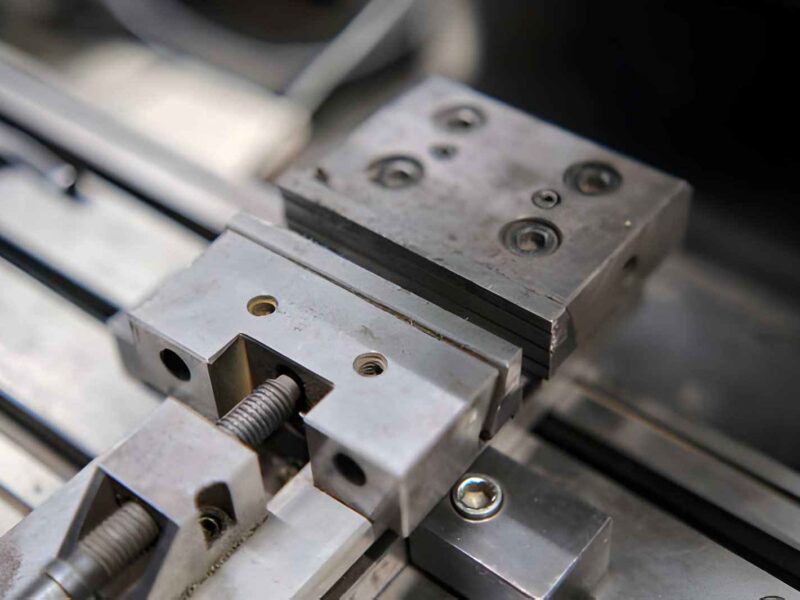
CNC Clamping Methods: Techniques, Fixtures & Engineering Best Practices
Precision in CNC machining begins long before the spindle rotates. The rigidity of the workpiece, the ability of the machine to suppress vibration, and the ability of the machine to accurately repeat the location of a given dat...
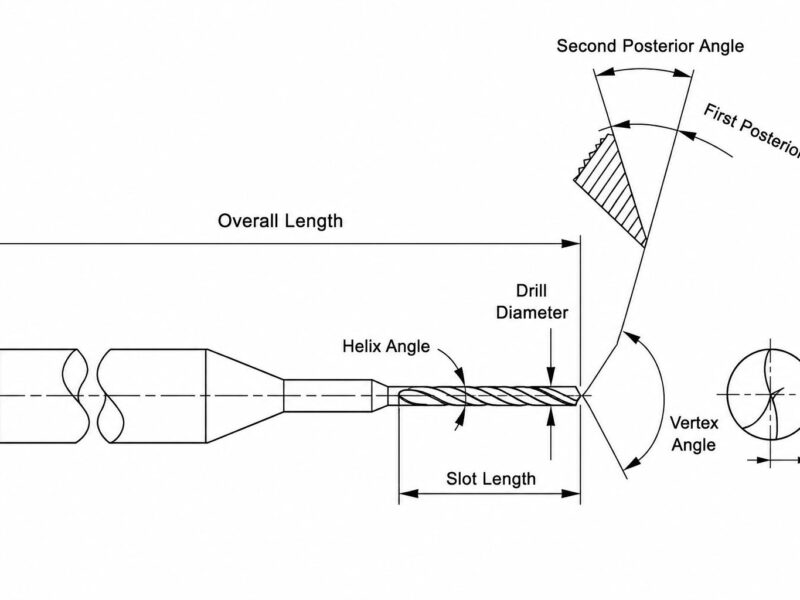
Drill Point Angle: Materials, Selection & Drilling Performance
Most drilling problems get blamed on the wrong variable: feed rate may get adjusted, the coolant pressure may be increased, the fixture will be checked twice, but nothing happens. In all of this, the drill point angle stays unc...
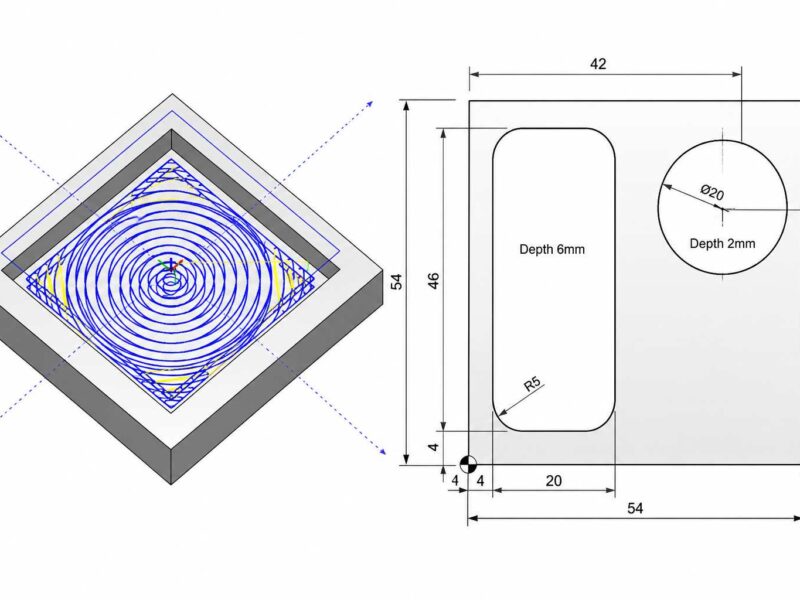
CNC Pocket Milling: Toolpaths, Strategies & Best Practices
A machinist once said that you can tell a lot about a machine shop by how they run their pockets. Apparently, it sounds like an odd thing to judge, but the more time you spend around CNC equipment, the more it makes sense. Poc...
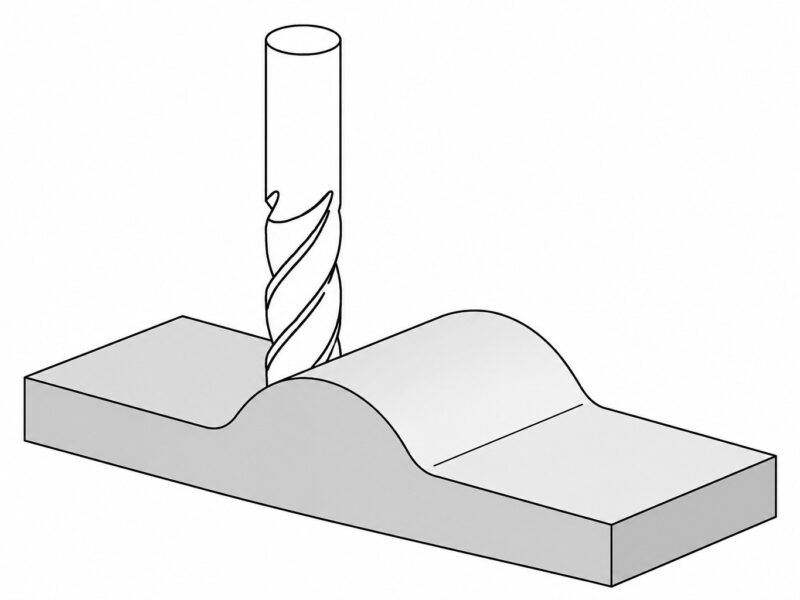
What Is Contour Milling? Definition, Process & Applications
Since flat surfaces are easy to process, almost anyone can mill a pocket or face a block. However, the real struggle of a CNC setup shows up the moment a part needs a curve. Any smooth blend, any sweeping profile, or simply a s...
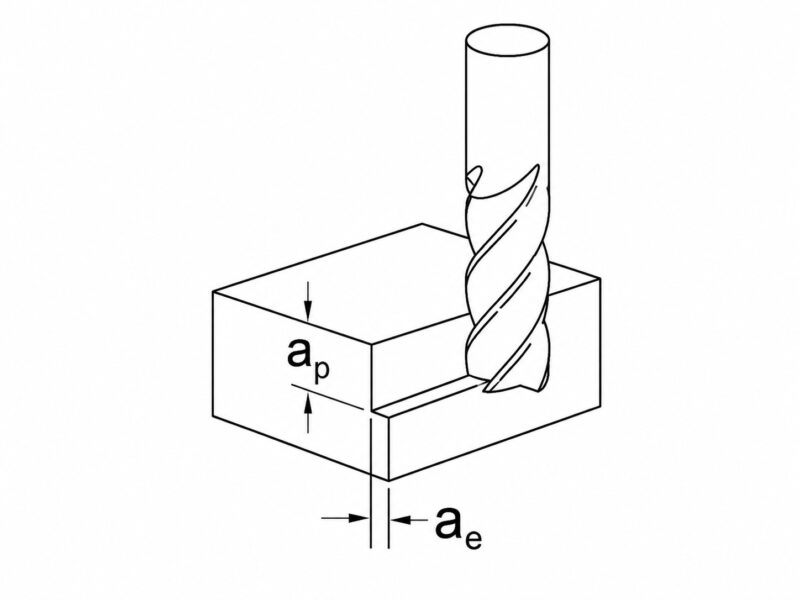
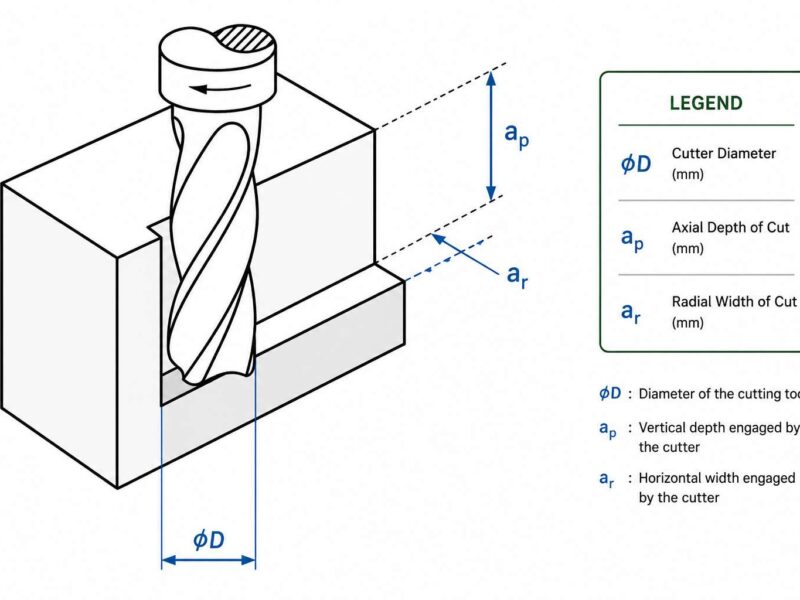
Depth of Cut in CNC Machining: Axial, Radial & Cutting Parameters Explained
Let’s say two shops run the same part. They have the same material, the same tool, and the same machine. However, one of them finishes in four passes with a clean finish, but the other one runs six passes, burns through t...
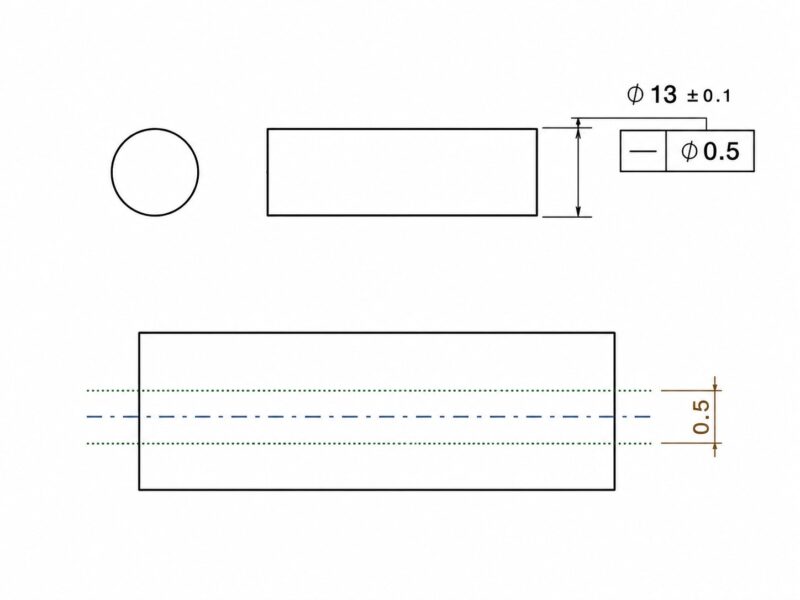
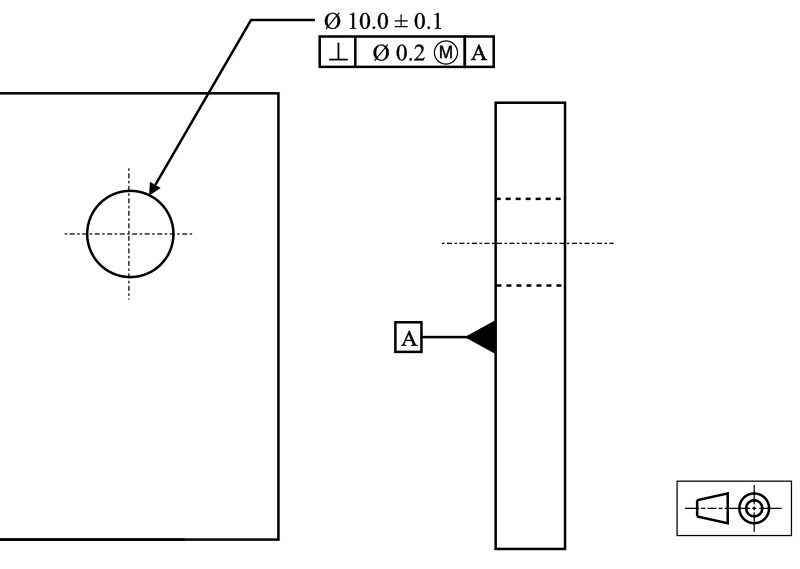
Straightness GD&T Symbols and Tolerance Guide for CNC Machining
If you have ever had a shaft that looked perfectly fine but still caused problems in assembly – maybe it wobbled, maybe it did not seat right, maybe the fit was slightly off – there is a great chance that straightne...
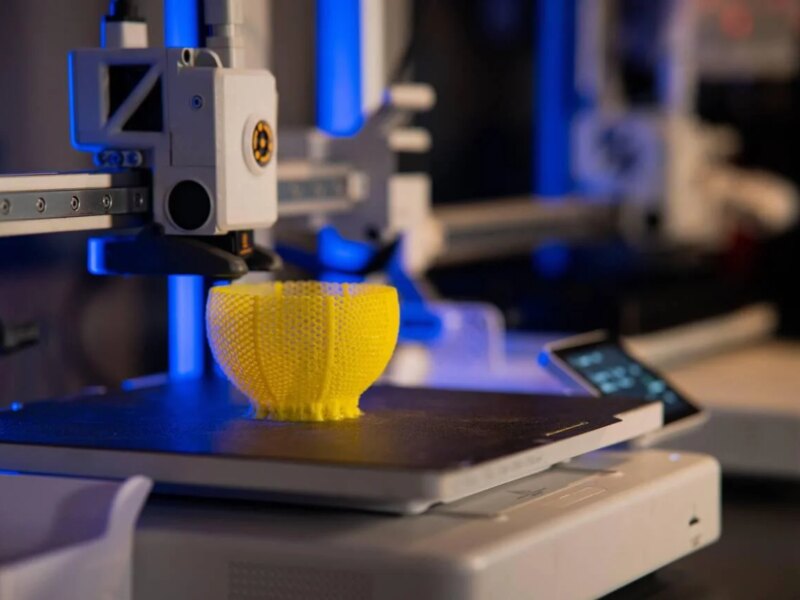
3D Printing Tolerances: Accuracy, Design Rules & Process Comparison
A part may look correct after printing but still fail during assembly. For example, a shaft designed with a 10 mm diameter may not fit into its matching hole if the printed dimensions change by a few tenths of a millimeter. Lik...

Outsourcing CNC Machining: From RFQ Preparation to Production
Vague technical documents, such as RFQs, can cause countless problems. Engineers have to face rejected initial samples, rework loops that take 2 to 3 weeks to finish, and delays in production schedules. One of the greatest leve...
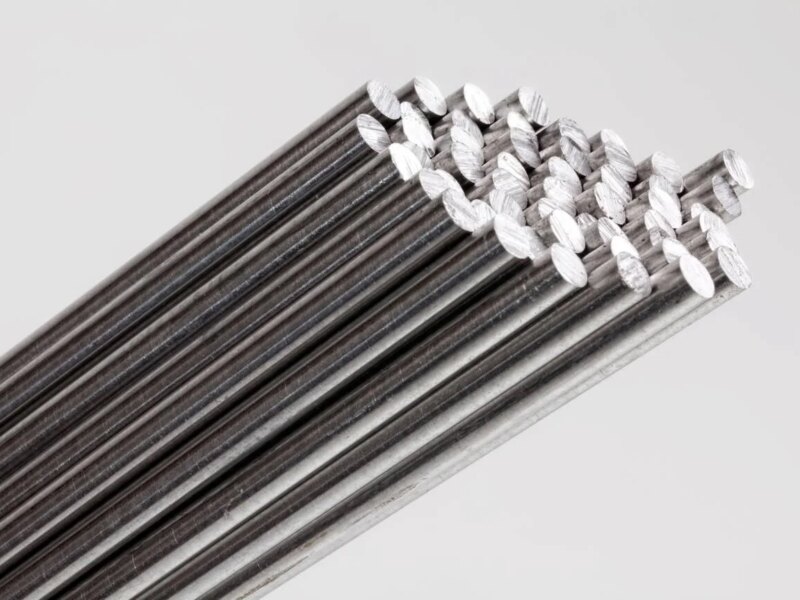
Different Grades of Aluminum: Properties, Applications & Selection Tips
Aluminum is available in several alloy series, and each one behaves differently during manufacturing. Some grades machine cleanly, some bend without cracking, and some maintain strength after welding. These differences affect m...