How to Read Engineering Drawings: Symbols, Views & Tolerances
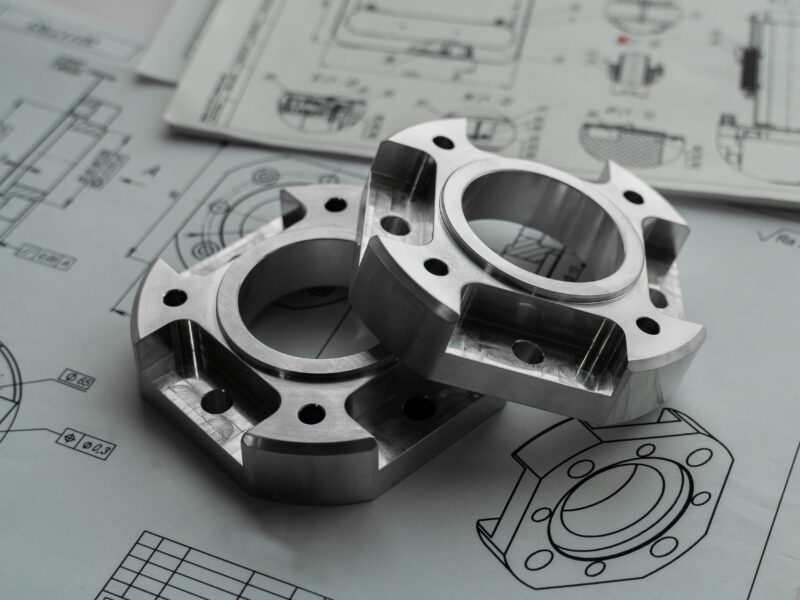
For design engineers, CNC machinists, and quality inspectors engaged in precision manufacturing, the ability to interpret engineering drawings correctly is a key competency. An engineering drawing is not merely a decorative re...
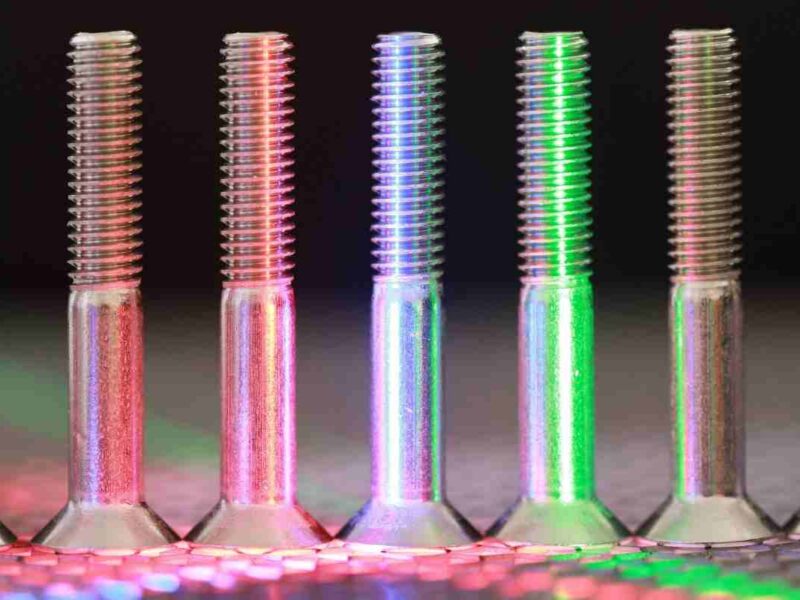
Top 9 Lightweight Metals: Properties and Applications
Heavy materials affect operating costs, performance, fuel efficiency, and performance in challenging environments. This negatively affects the long-term operating budget for heavy materials-intensive industries. Lightweight met...

Rapid PCB Prototyping: Design, Fabrication, and Assembly
Electronics development is rapidly evolving, and long design cycles negatively affect new product launches. Mistakes in the later design phase increase both the cost and the risk associated with the product. Traditional PCB man...
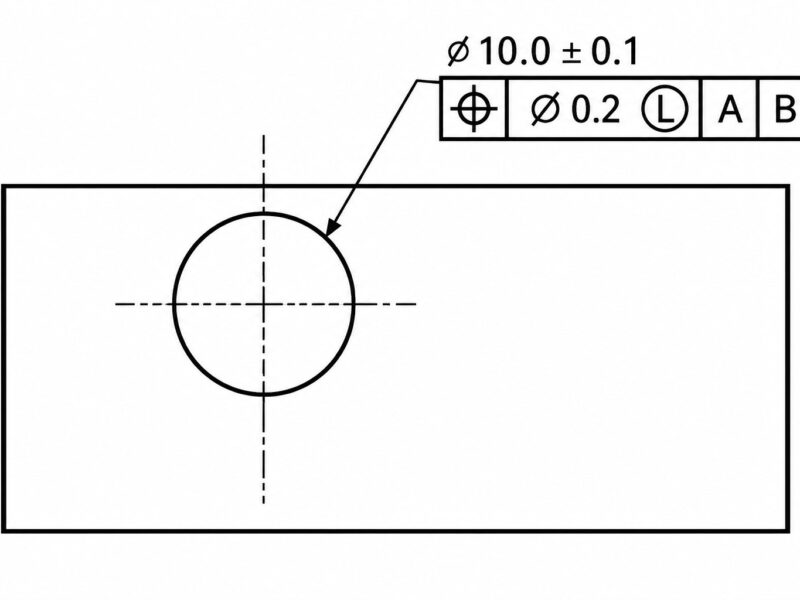
Least Material Condition (LMC): GD&T, Bonus Tolerance & Uses
LMC (Least Material Condition) is a term used in Geometric Dimensioning and Tolerancing (GD&T) to describe the size of a feature at which it has the least material but is within desired tolerances. LMC is used to control th...
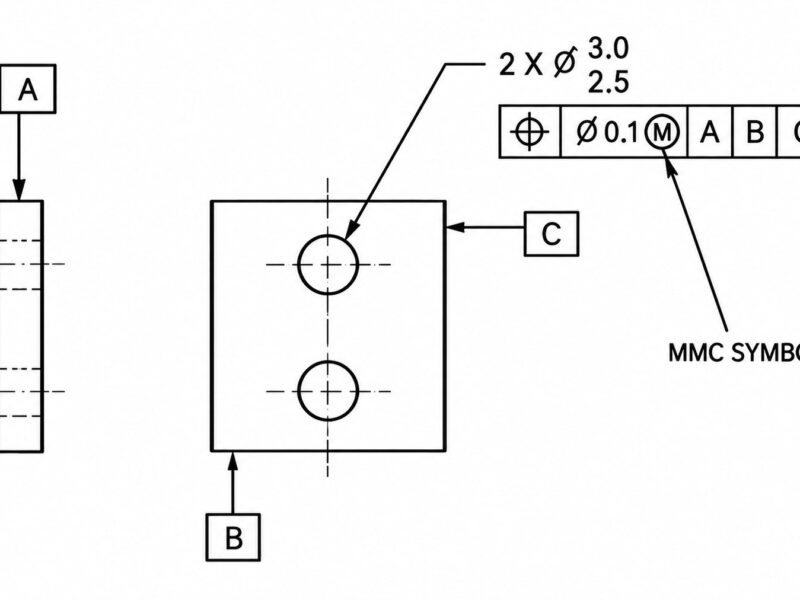
Maximum Material Condition (MMC): GD&T & Bonus Tolerance
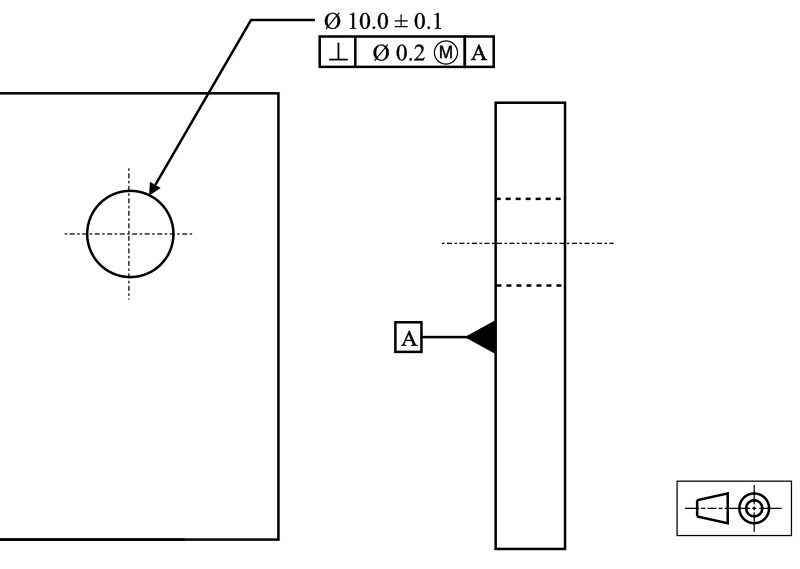
A hole may have a position tolerance of 0.10 mm at Maximum Material Condition (MMC), but the actual tolerance of a finished part may be much larger. To find this real limit, first measure the hole produced relative to MMC, then...
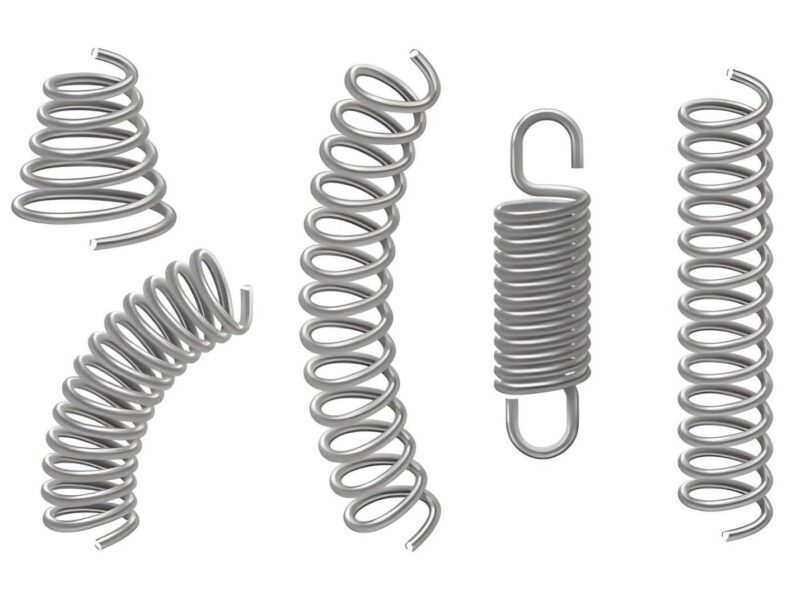
Types of Springs Explained: Failure Modes, and Application Fit
Spring selection is rarely as simple as picking a part number off a catalog page. The wrong spring type, or simply the right type with the wrong parameters, is among the leading causes of failure in mechanical systems. Fatigue ...
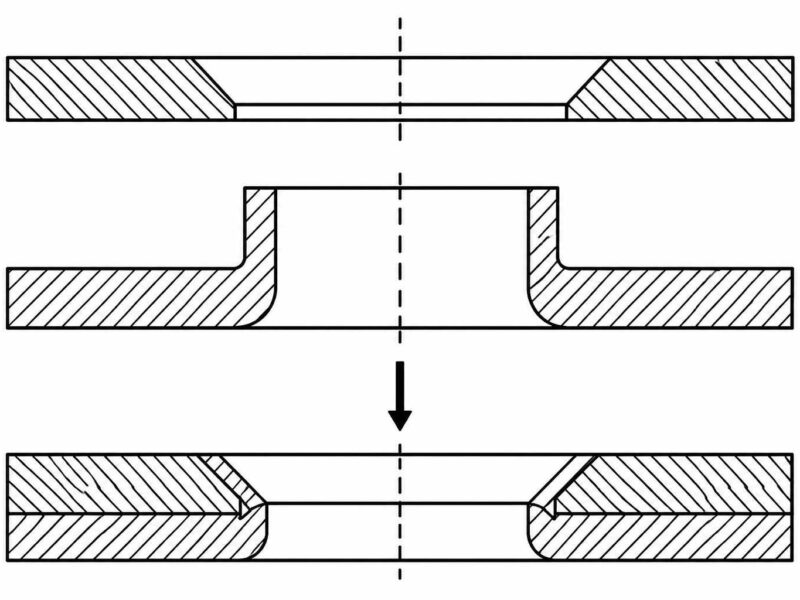
Sheet Metal Joining: Types, Methods, and Applications
Sheet metal supports products in numerous industries. It forms vehicles, equipment, panels, and structures. Yet joining thin sheets creates real production challenges. Weak joints can lead to failure, rework, and added costs. T...
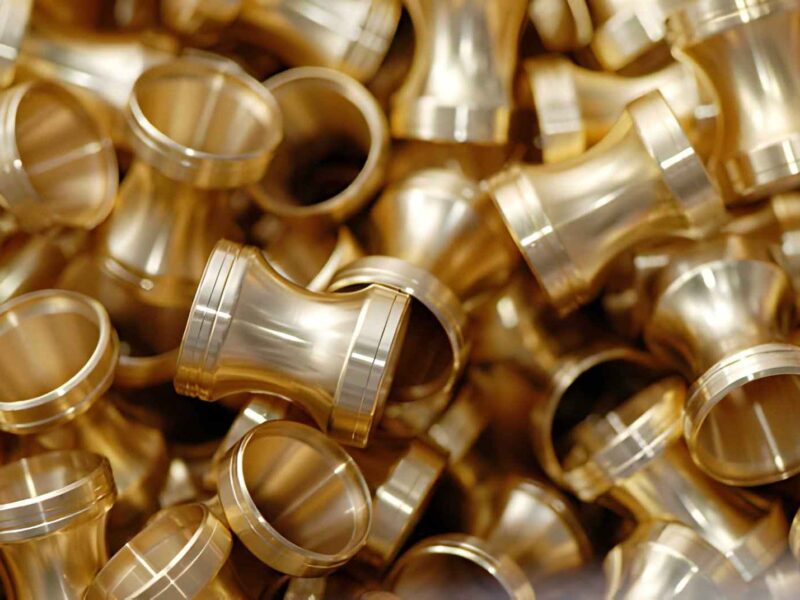
Chemical Conversion Coating: Types, Benefits & Applications
Metal components often corrode, oxidize, and wear off. These problems lower the part’s life and performance. Strict durability requirements exist in such industries as aerospace, defense, and firearms. Chemical conversion...
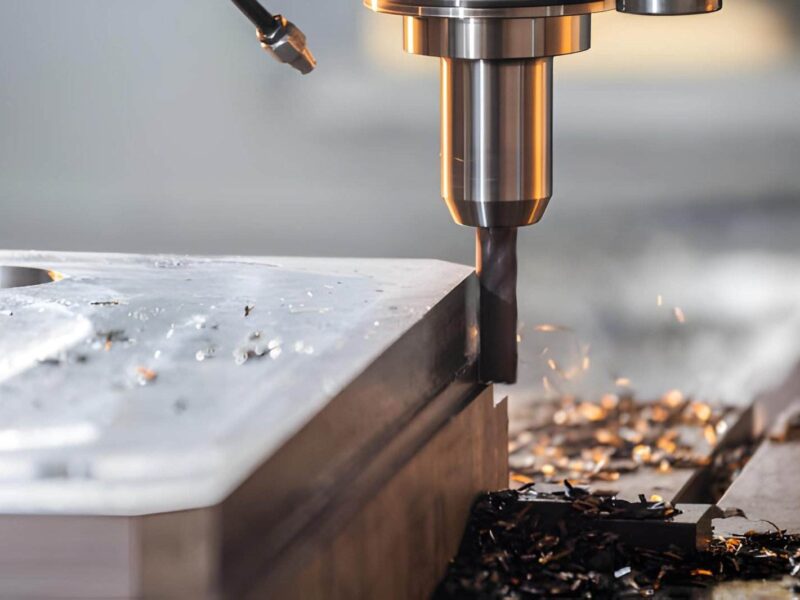
CNC Machining Lead Time: Factors, Costs & Production Planning
CNC machining can be considered one of the most reliable methods of manufacturing functionally accurate components. However, the duration of time required for production is usually much longer than what engineers initially thin...
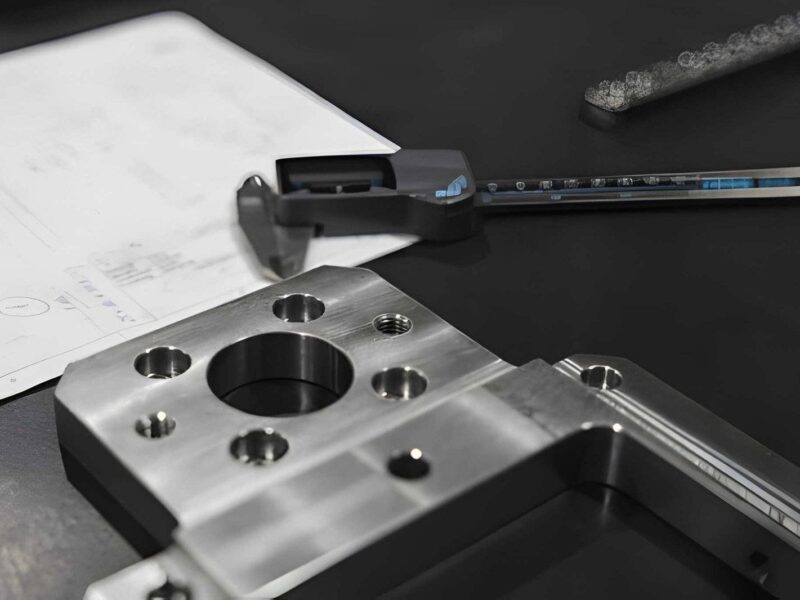
CNC Machining RFQ: 6-Step RFQ Checklist That Gets You a Same-Day Quote
When a CNC quote takes a week instead of a day, engineers tend to blame the shop. However, most of these delays in fact begin on the buyer’s side, before a supplier even opens the file. A missing tolerance, vague material callo...