
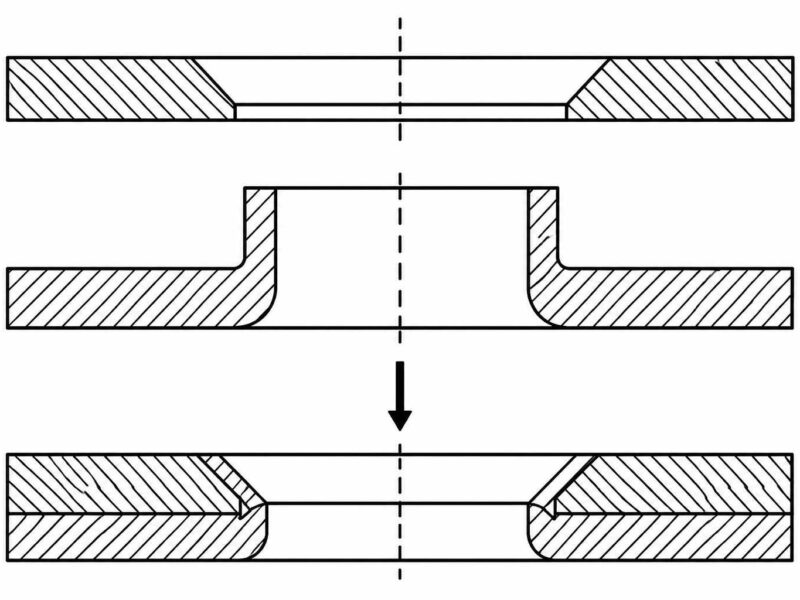
Sheet metal supports products in numerous industries. It forms vehicles, equipment, panels, and structures. Yet joining thin sheets creates real production challenges. Weak joints can lead to failure, rework, and added costs. T...
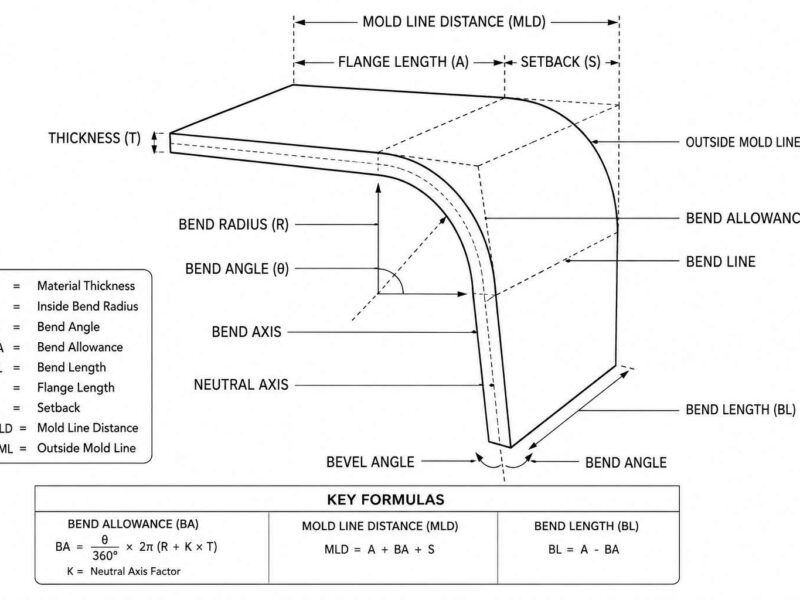
Sheet metal bending seems easy until parts crack during bending, exhibit more springback than expected, or return with unexpected tolerance variations from the manufacturing workshop. All such issues can be traced back to one m...
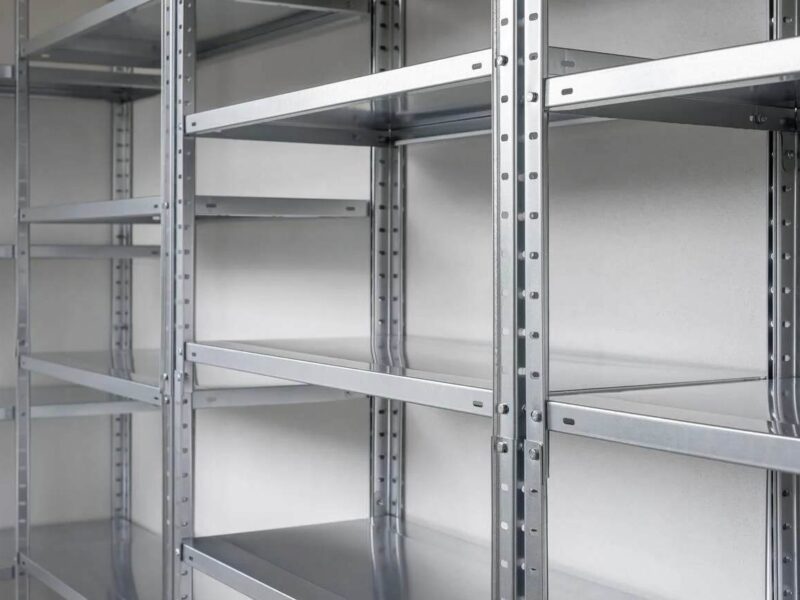
Sheet metal assemblies are used to house machines, HVAC units, and to protect sensitive electrical systems. You get formed, welded, fastened, and aligned components that fit your product needs. Assembling creates strong parts t...
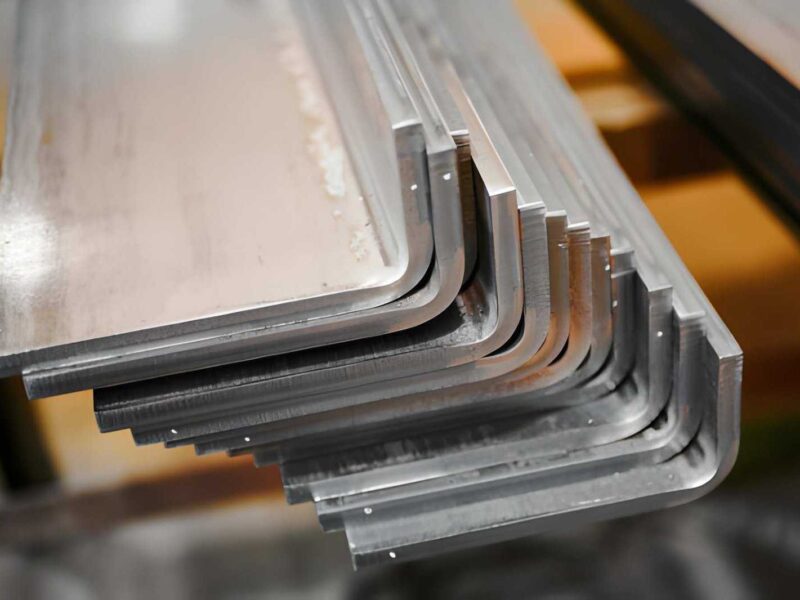
Fabrication processes related to sheet metal manufacturing are commonly perceived as a low-cost alternative for manufacturing specific parts. This leaves sheet metal fabrication as an optimal production method for rugged parts,...
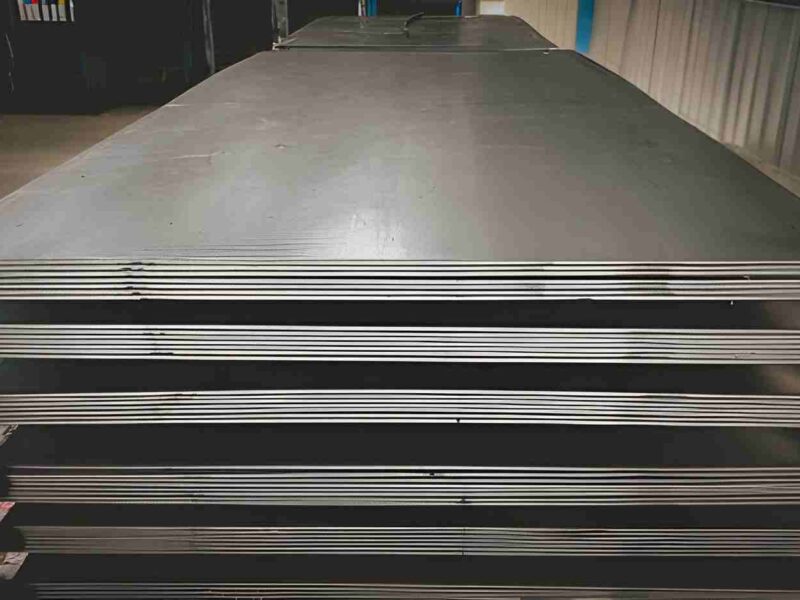
Sheet Metal Materials are thin, flat pieces of metal used in many products. Its use is common in machine parts, tools, vehicles, and building parts. They can be easily designed and shaped, cut, and joined, which makes them usef...
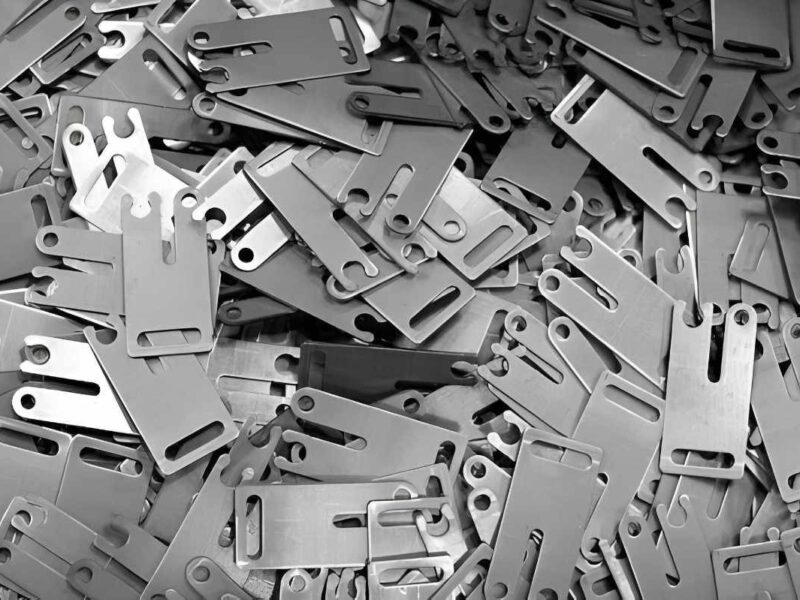
A hard-hitting question for engineers is how to fabricate strong, precise, and dependable components within technical specifications and under severe deadlines. Many are challenged by variable part quality, lengthy lead times, ...
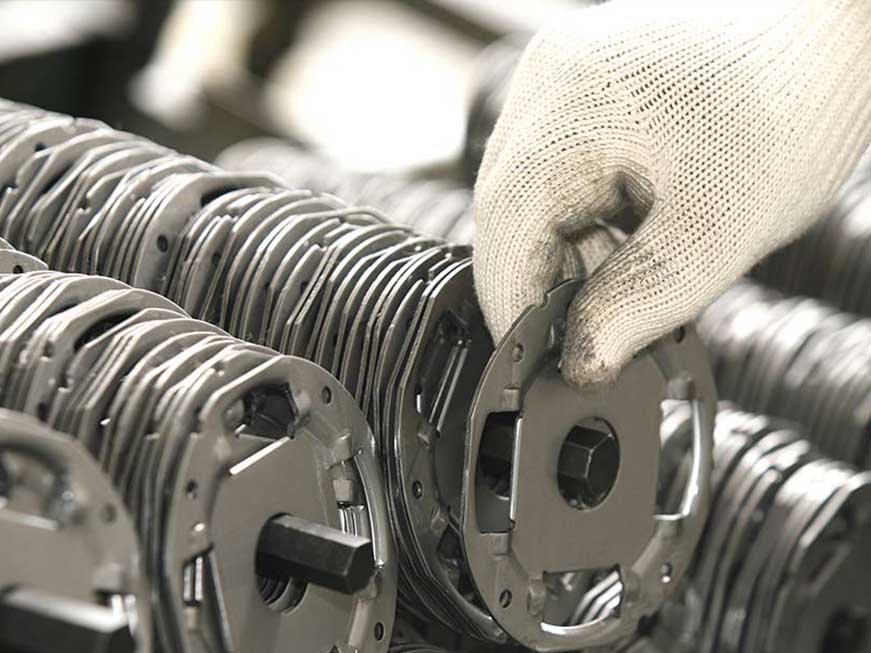
In sheet metal fabrication, metal stamping vs punching is often used. These techniques seem quite similar in their terminology and are often used interchangeably, but the processes are different based on their applications. The...
Please read on, stay posted, subscribe, and we welcome you to tell us what you think.