Least Material Condition (LMC): GD&T, Bonus Tolerance & Uses
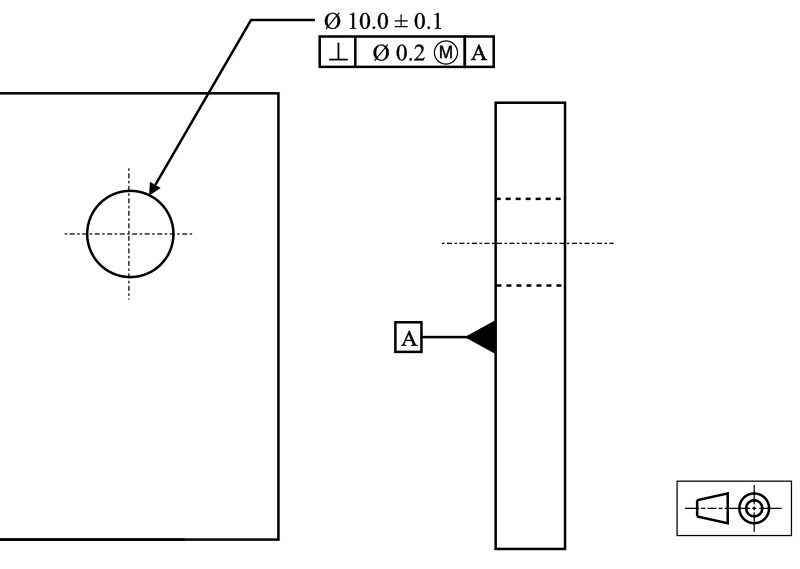
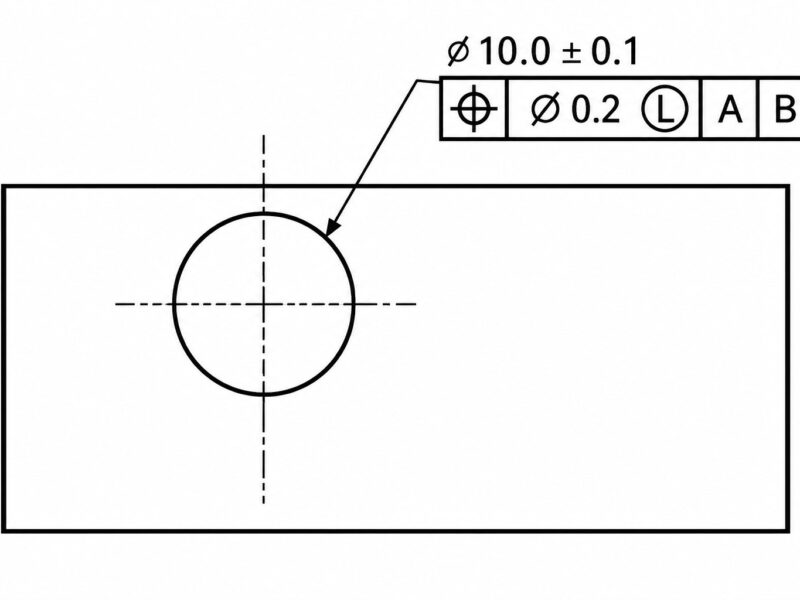
LMC (Least Material Condition) is a term used in Geometric Dimensioning and Tolerancing (GD&T) to describe the size of a feature at which it has the least material but is within desired tolerances. LMC is used to control th...
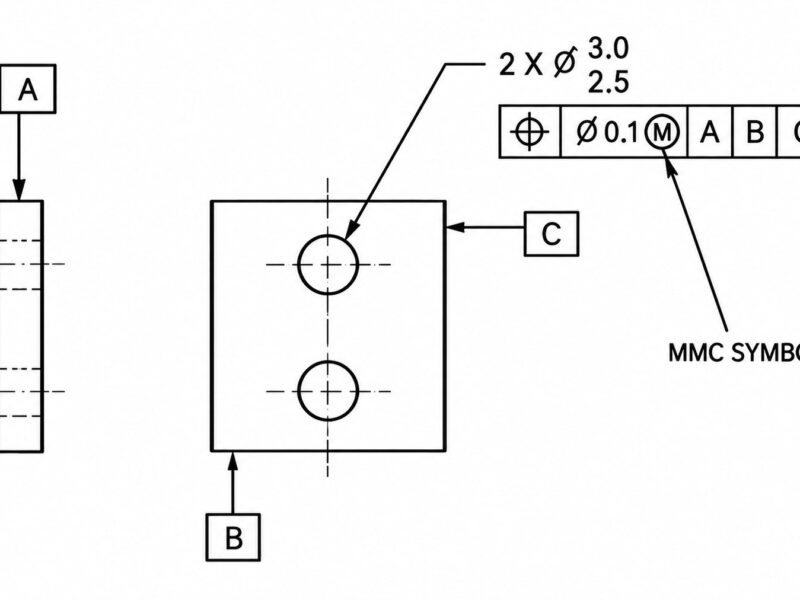
Maximum Material Condition (MMC): GD&T & Bonus Tolerance
A hole may have a position tolerance of 0.10 mm at Maximum Material Condition (MMC), but the actual tolerance of a finished part may be much larger. To find this real limit, first measure the hole produced relative to MMC, then...
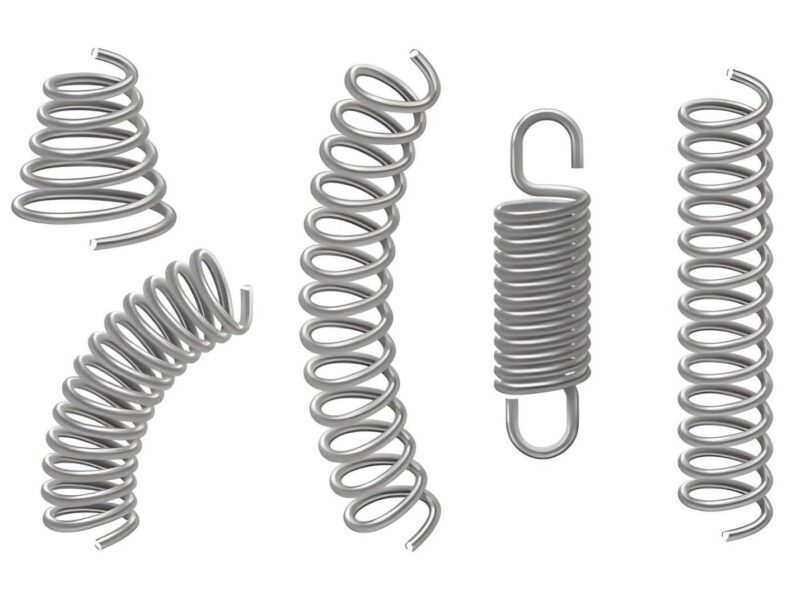
Types of Springs Explained: Failure Modes, and Application Fit
Spring selection is rarely as simple as picking a part number off a catalog page. The wrong spring type, or simply the right type with the wrong parameters, is among the leading causes of failure in mechanical systems. Fatigue ...
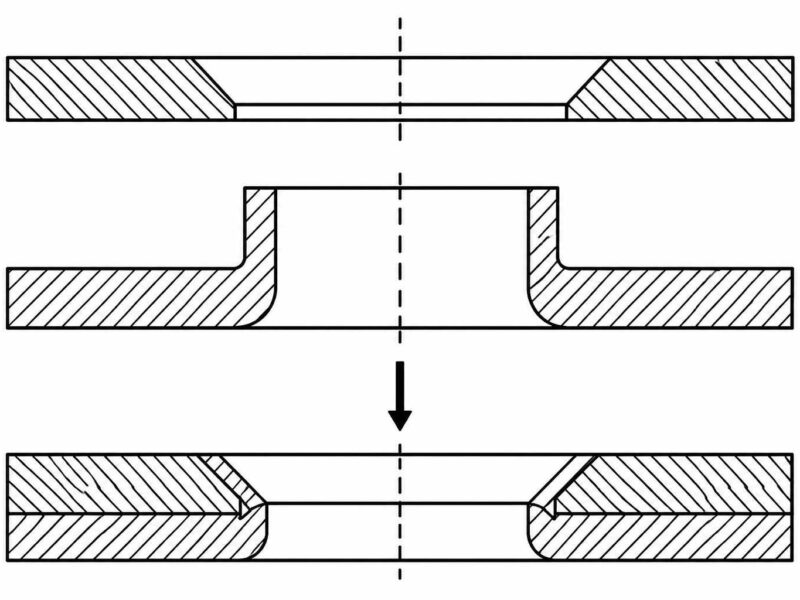
Sheet Metal Joining: Types, Methods, and Applications
Sheet metal supports products in numerous industries. It forms vehicles, equipment, panels, and structures. Yet joining thin sheets creates real production challenges. Weak joints can lead to failure, rework, and added costs. T...
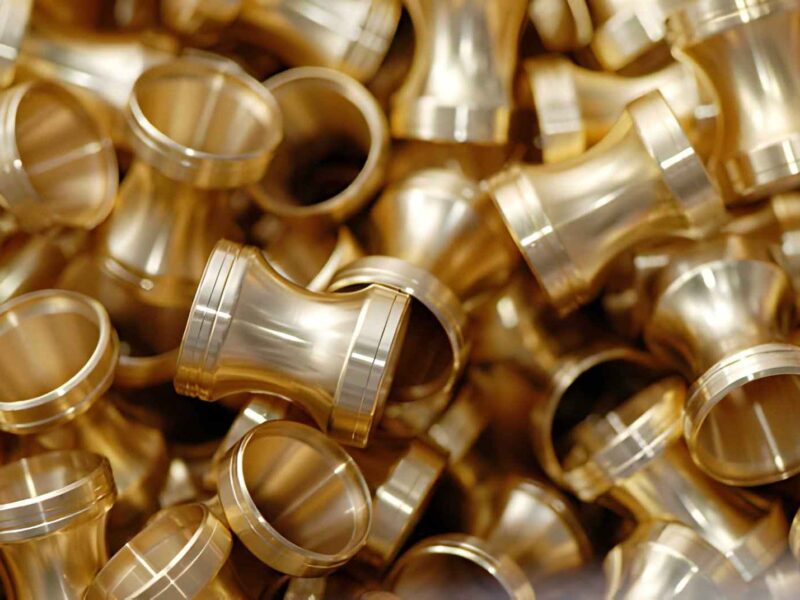
Chemical Conversion Coating: Types, Benefits & Applications
Metal components often corrode, oxidize, and wear off. These problems lower the part’s life and performance. Strict durability requirements exist in such industries as aerospace, defense, and firearms. Chemical conversion...
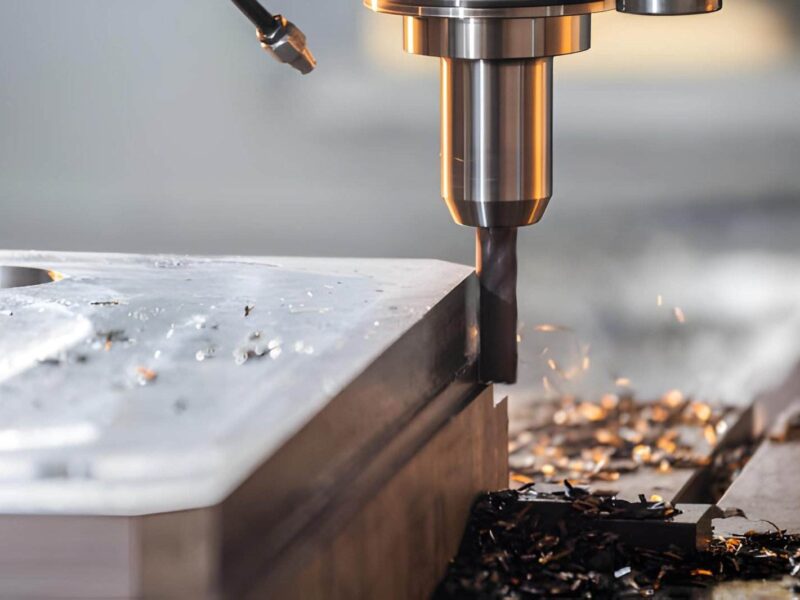
CNC Machining Lead Time: Factors, Costs & Production Planning
CNC machining can be considered one of the most reliable methods of manufacturing functionally accurate components. However, the duration of time required for production is usually much longer than what engineers initially thin...
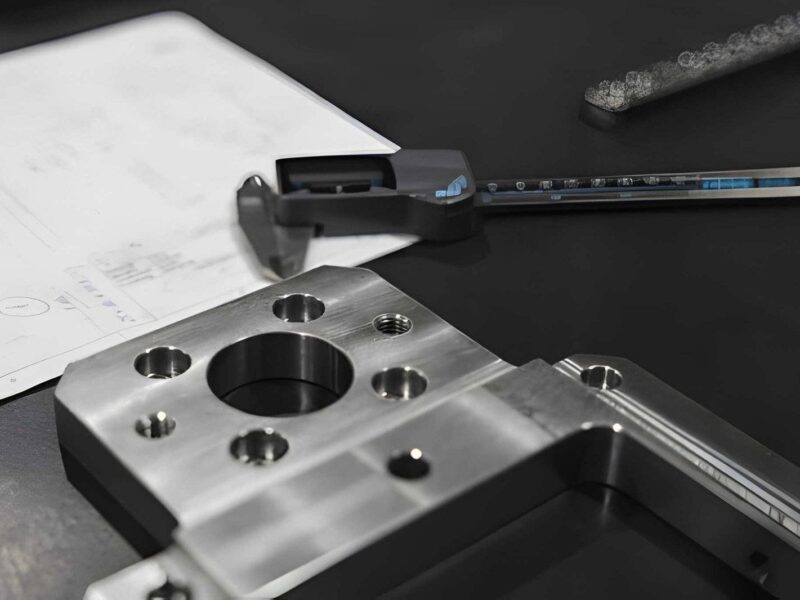
CNC Machining RFQ: 6-Step RFQ Checklist That Gets You a Same-Day Quote
When a CNC quote takes a week instead of a day, engineers tend to blame the shop. However, most of these delays in fact begin on the buyer’s side, before a supplier even opens the file. A missing tolerance, vague material callo...
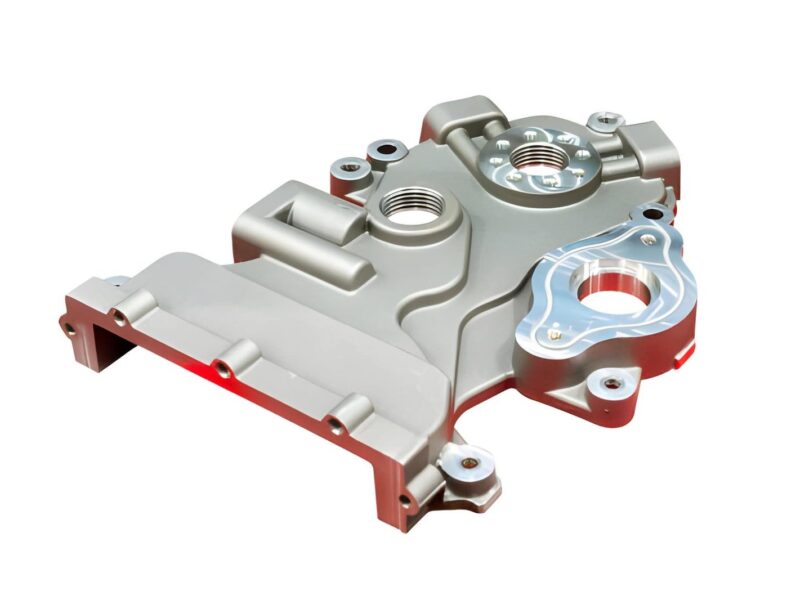
Billet vs. Cast vs. Forged Aluminum: Choosing the Right Type
The mechanical properties of aluminum and ease of machining have made it a go-to material in automotive, aerospace, and industrial part manufacturing, yet the form of the material – billet, casting, or forging – has...
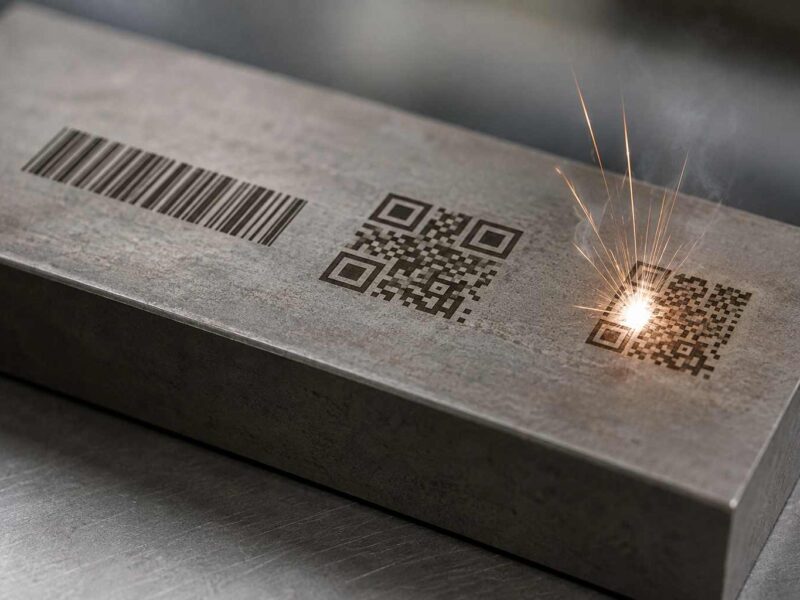
Laser Etching Process, Applications, and Practical Considerations
Laser etching is used to put permanent identification, graphics, codes, and other information onto a part without using a cutting tool. The laser changes a controlled area of the surface to create the required mark. For industr...
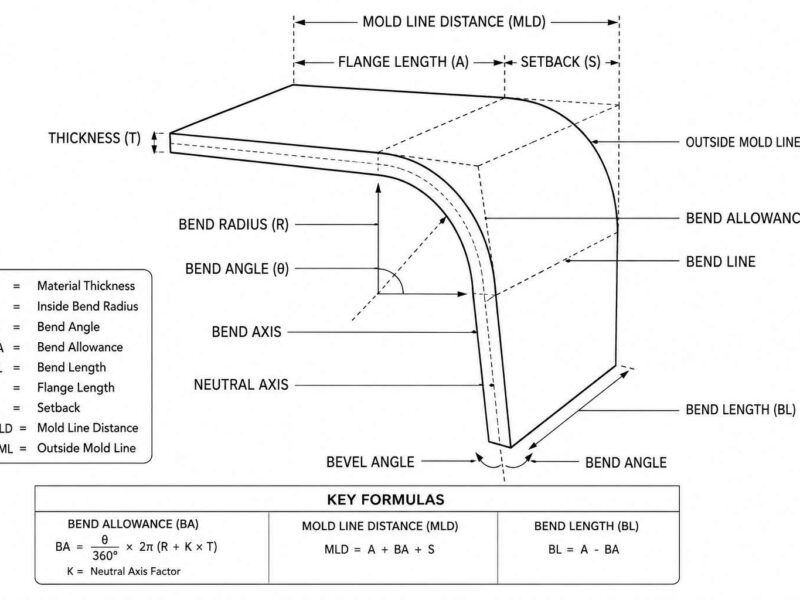
Bend Radius Chart for Sheet Metal: Materials, Thickness & Design Guidelines
Sheet metal bending seems easy until parts crack during bending, exhibit more springback than expected, or return with unexpected tolerance variations from the manufacturing workshop. All such issues can be traced back to one m...