
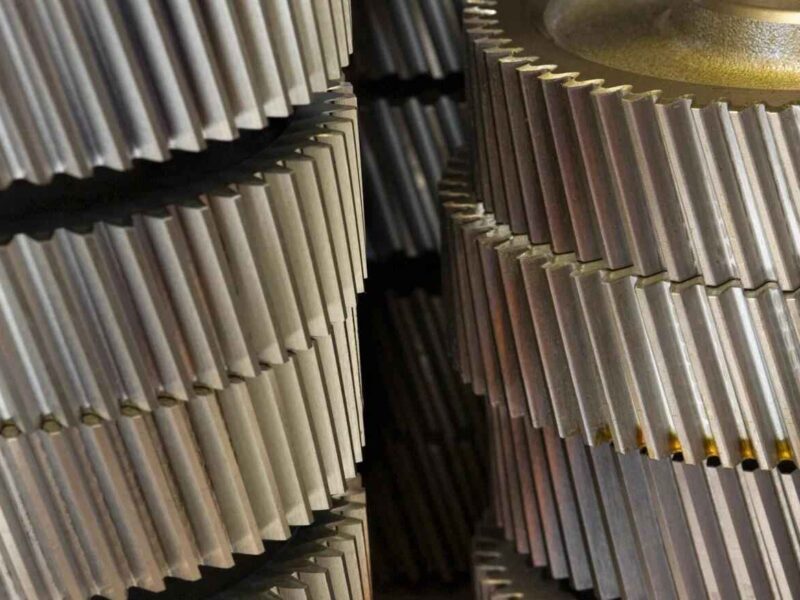
Involute gears dominate the power transmission segment of industry since their tooth profiles (the unwinding of a tangential line around a stationary base circle) produce a constant velocity ratio and a predictable line of acti...
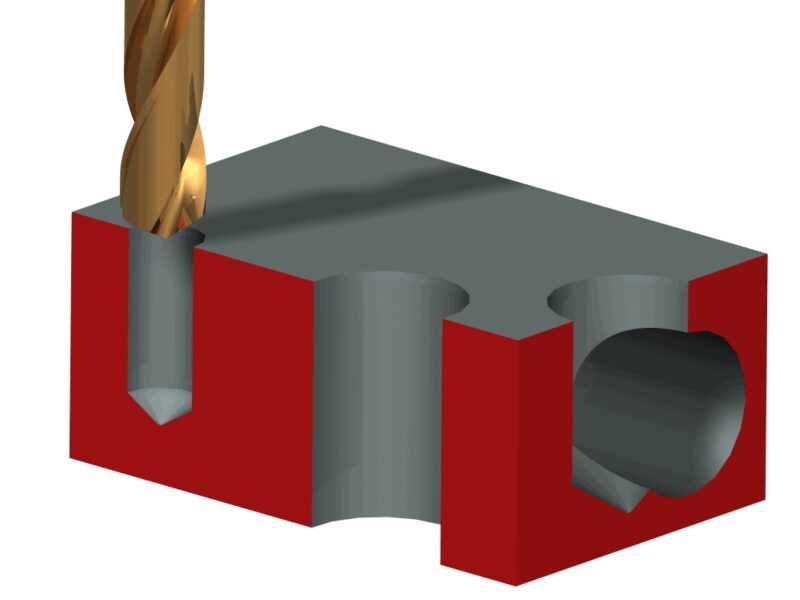
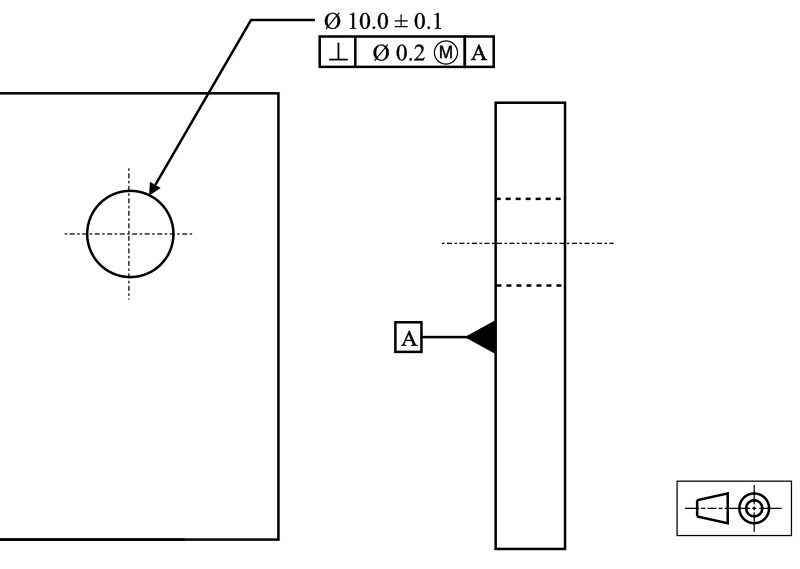
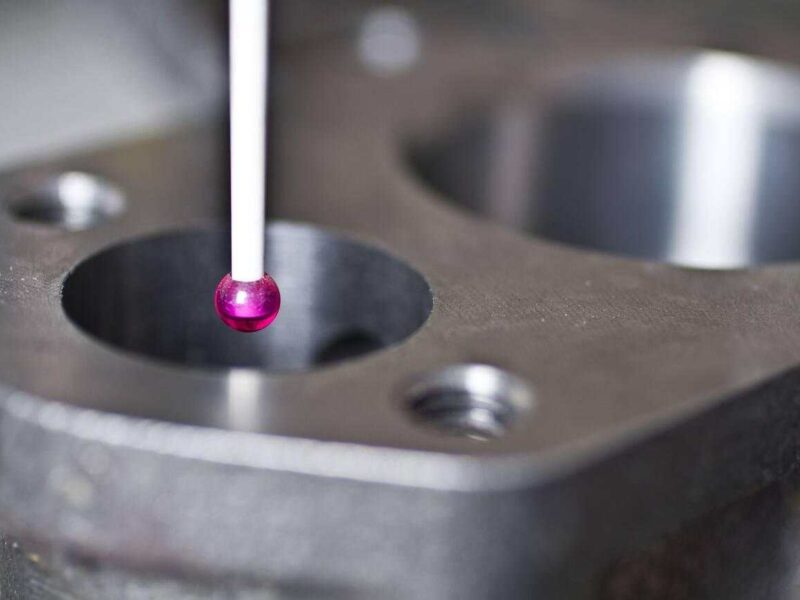
Blind holes are precision-machined cavities that penetrate a workpiece to a specified depth. However, they do not go through and will therefore have a closed bottom. To distinguish from through holes, blind holes will have impo...
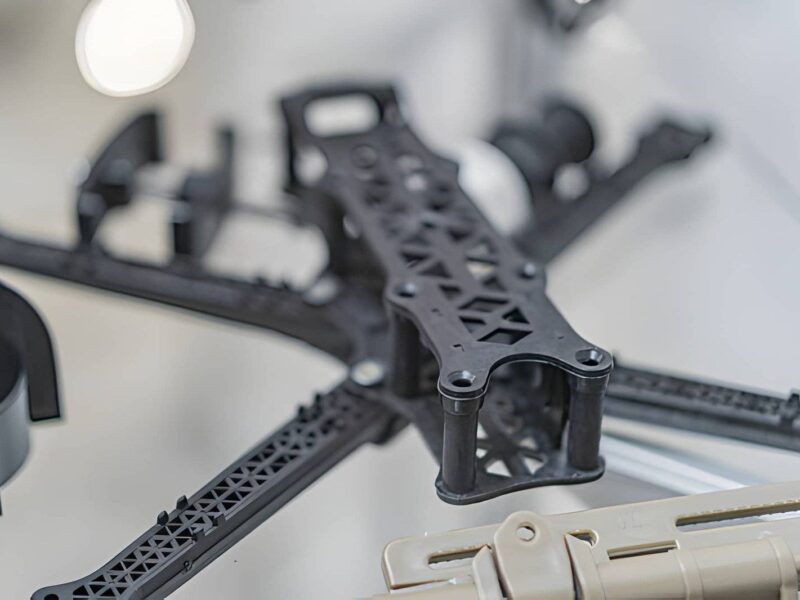
Drones have evolved from simple aerial devices into critical tools used across industries such as inspection, surveying, agriculture, logistics, construction, and defense. As their applications become more demanding, the perfor...
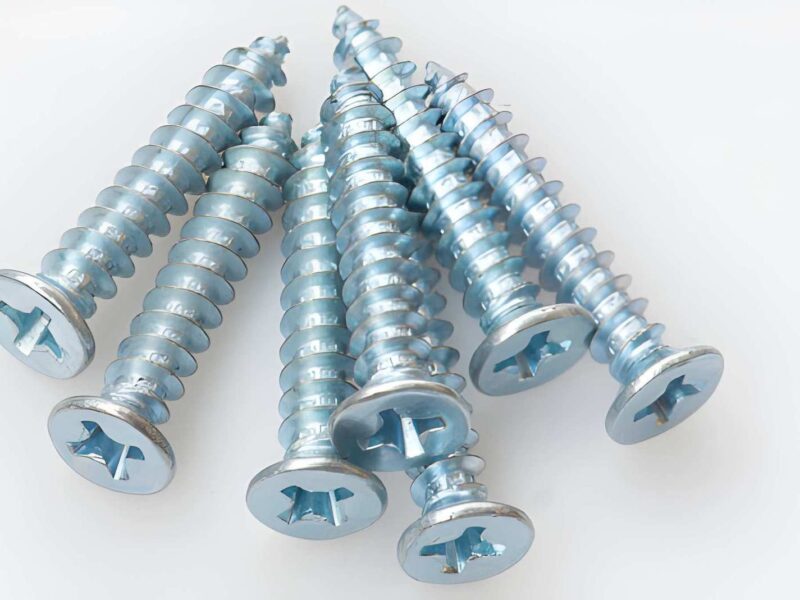
Thread specification is crucial for every mechanical assembly that uses a fastener. Whether it’s a turbine casing in aerospace or a garden hose fitting, everything counts on threads. And while the correct value has an eno...
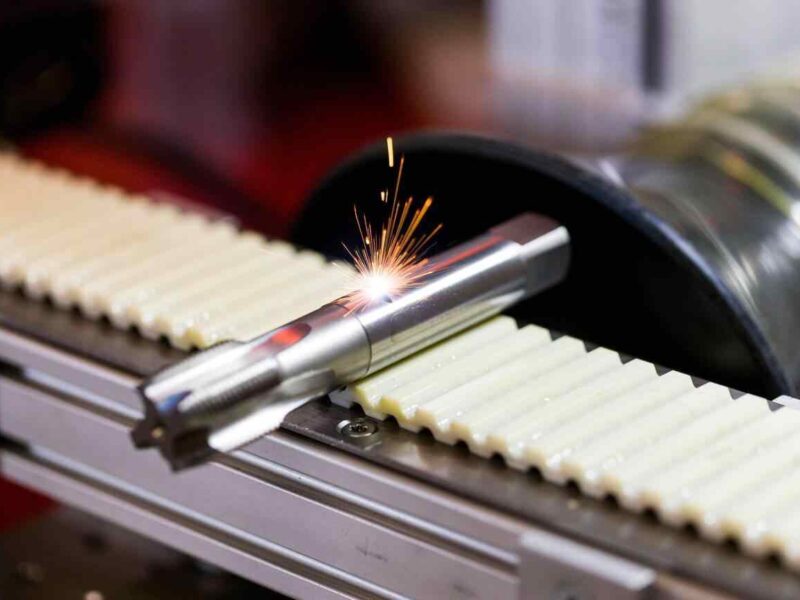
When thinking of laser marking vs. laser engraving, what comes to mind? Whether both are the same or different?. Well, these two are prevalent techniques in precision manufacturing. However, they are used interchangeably, but t...
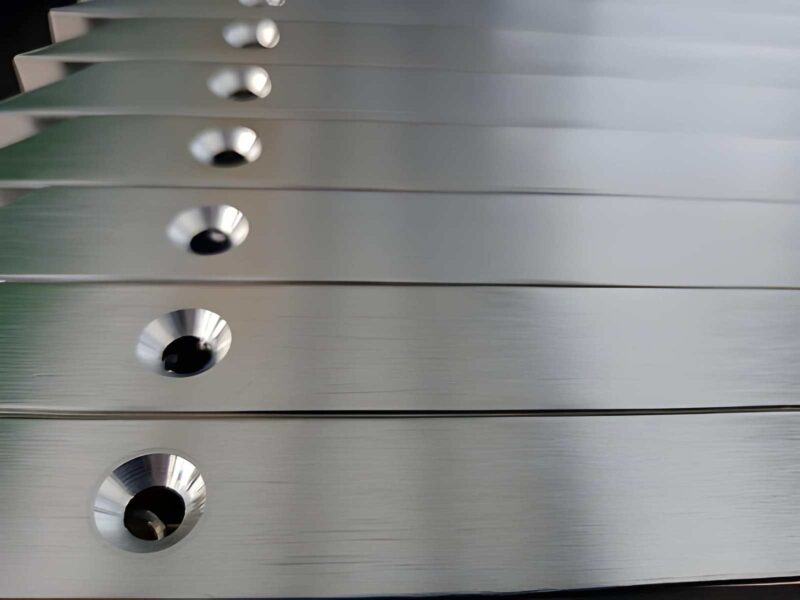
Counterbore vs. countersink holes can be used to refer to similar holes. Their design may appear the same on a CAD model. However, their use, geometry, and purpose vary in character. A counterbore is formed to seat bolt heads,...
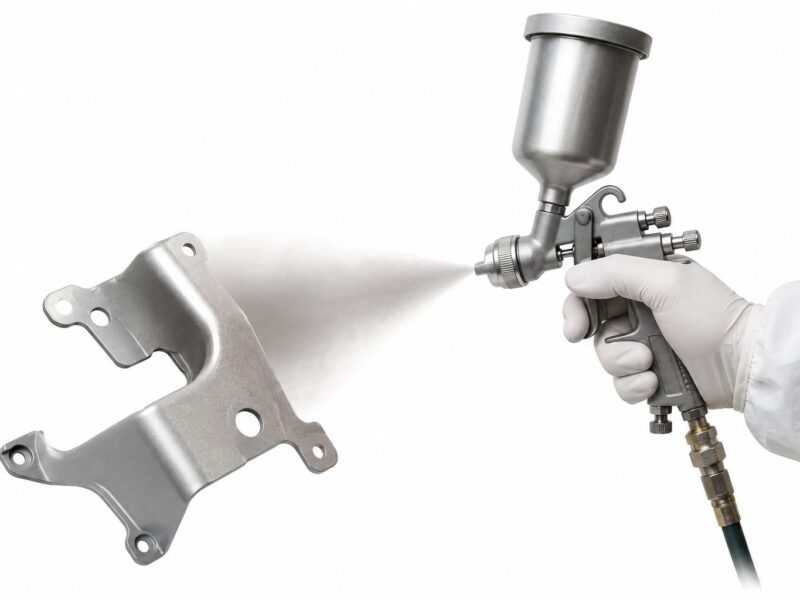
Metallization is a surface finishing process where a thin layer of metal is applied onto materials such as plastic, glass, ceramics, or other metals. It is used to improve both the look and performance of a part. After metalliz...
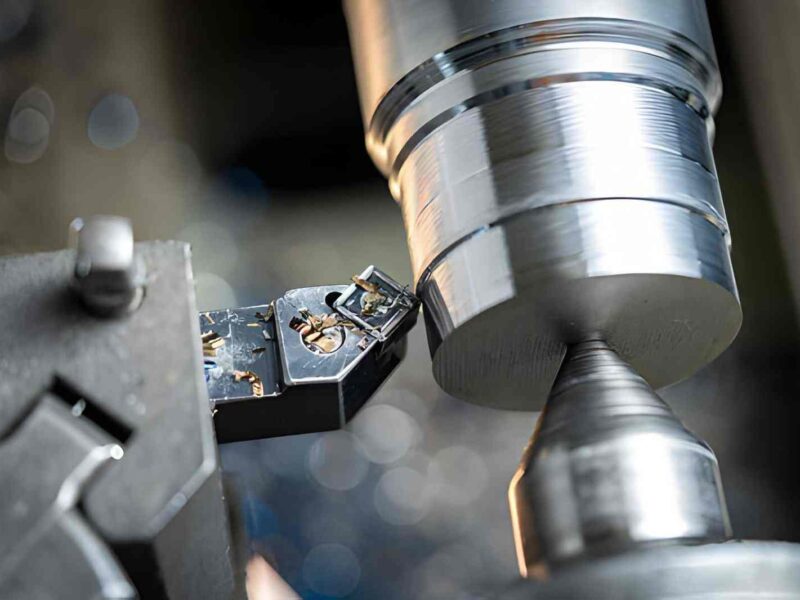
Machinability defines how a material responds to machining operations such as turning, milling, drilling, or cutting with standard tools. It encompasses factors like cutting speed, surface finish, chip formation, and tool wear....
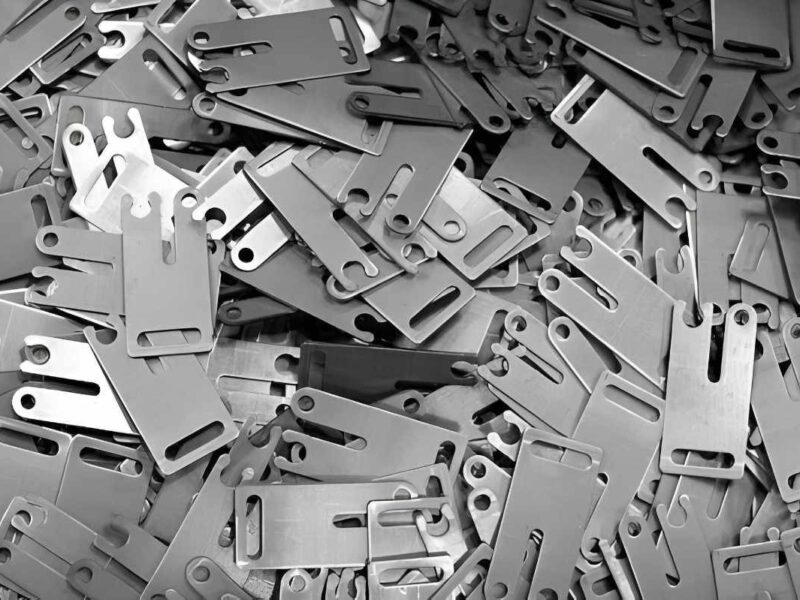
A hard-hitting question for engineers is how to fabricate strong, precise, and dependable components within technical specifications and under severe deadlines. Many are challenged by variable part quality, lengthy lead times, ...
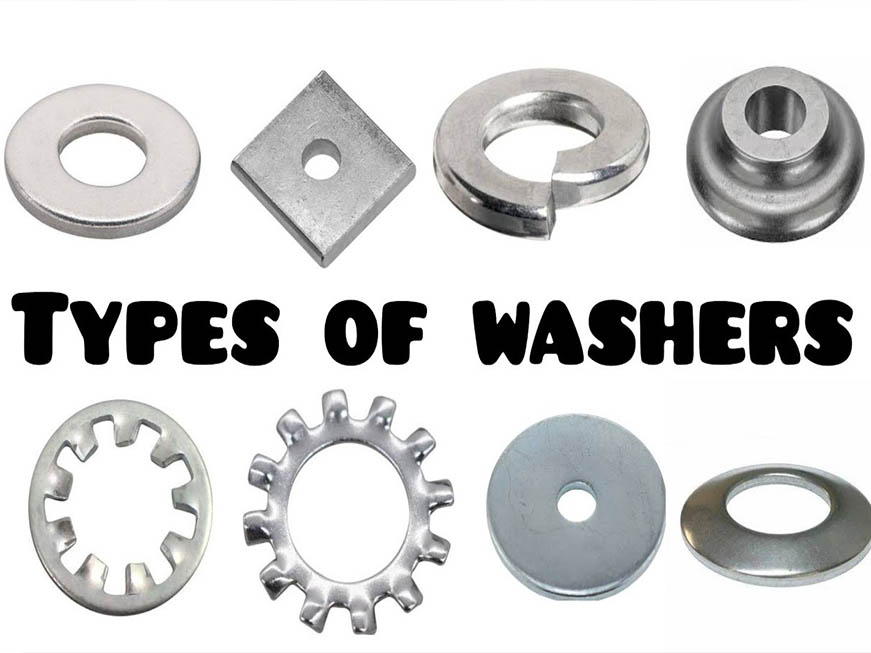
Washers are fastening elements. They are made of resilient metals. Typically, they come in numerous shapes, types, and sizes. Each type serves a unique purpose. For example, flat washers help distribute the load of a fastener ...
Please read on, stay posted, subscribe, and we welcome you to tell us what you think.